




















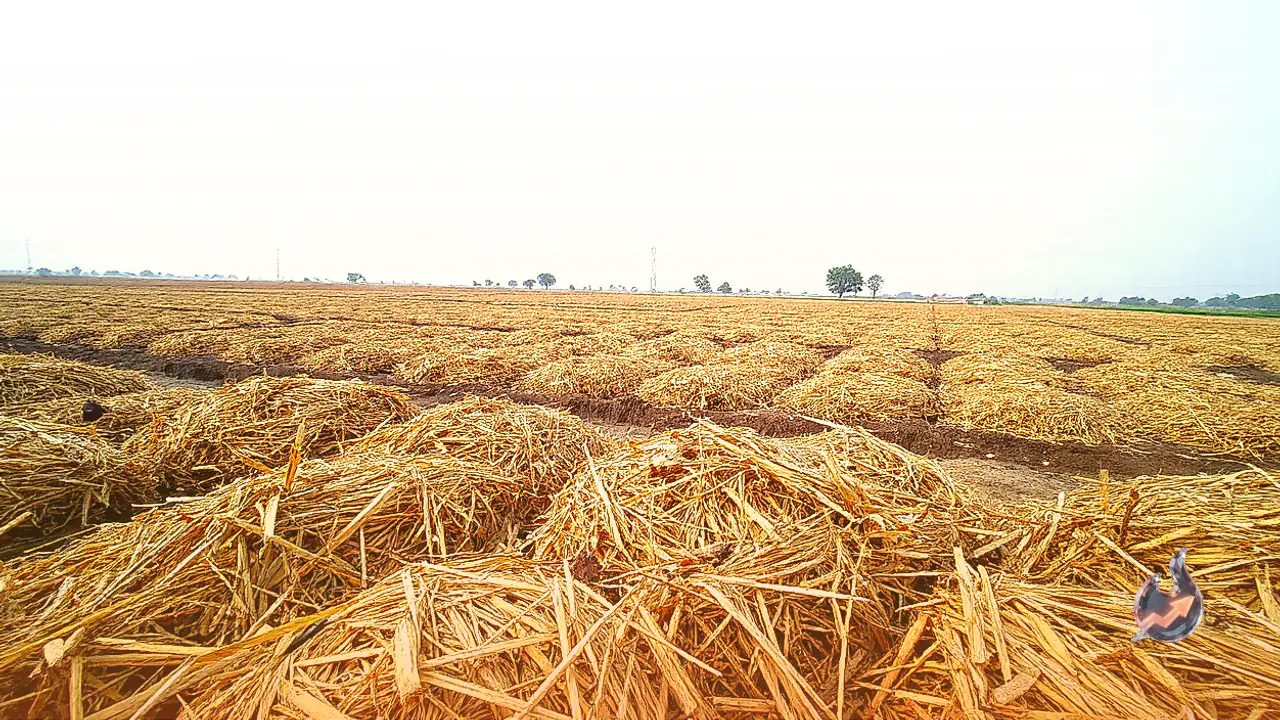

A successful harvest in mushroom farming relies heavily on the quality of the compost substrate used during cultivation. When the growing medium is prepared correctly, mushroom beds yield strong and healthy flushes. In the Jamui district, grower Shivendu Kumar has been farming mushrooms organically for 4 years. He points out that in an effort to maximize harvest volumes quickly, many growers introduce artificial chemical formulations into their compost mixtures. According to him, adding harsh compounds is unnecessary, because farmers can secure robust yields simply by utilizing pure crop straw without relying on synthetic additives or extraneous inputs.
Eliminating Poultry Waste Odors and Fungal Risks
Conventional composting practices often incorporate poultry droppings, which generate intense foul odors that make working inside or residing near growing spaces challenging. Using straw as the primary medium prevents uncleanliness and eliminates bad smells entirely. Additionally, clean straw minimizes the incidence of fungal contamination and crop diseases. Harmful bacterial infestations frequently ruin entire mushroom flushes in poorly balanced or chemically loaded composts, but a straw based medium protects against such setbacks. Mushrooms grown on natural straw develop superior flavor and texture, earning strong demand and appreciation among buyers in local markets.
Lower Production Expenses and Assured Food Safety
Purchasing synthetic composting compounds and chemical treatments from retail shops increases farming expenses significantly. By shifting entirely to readily available straw, growers can curb these recurring input costs and boost overall farming margins. Furthermore, completely organic mushrooms present no adverse health effects to consumers, ensuring a wholesome food product from farm to table.
Step by Step Straw Compost Preparation Method
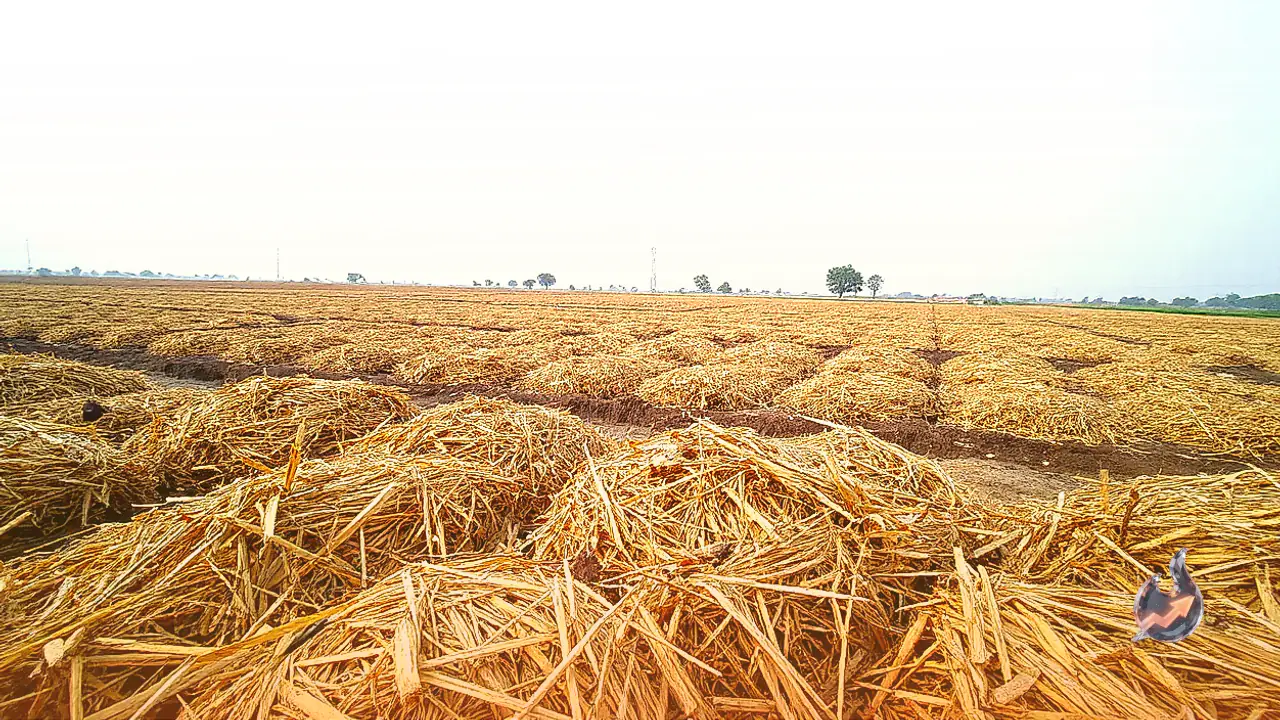
Preparing straw based compost follows a systematic sanitization process. Either wheat straw or paddy straw must first be cut into uniform pieces measuring approximately 2 to 3 inches in length. These pieces are submerged completely in water and left to soak for 48 hours until thoroughly softened. Once softened, all surplus water must be drained away. The wet straw is then transferred into a steaming container to undergo steam treatment. This heat application destroys any resident bacteria or harmful fungal spores embedded within the material. After the straw cools down completely, it should be spread out to dry properly. Finally, mixing in a modest quantity of bran or natural organic manure completes the nutrient medium, making it fully ready for productive and disease free mushroom cultivation.