






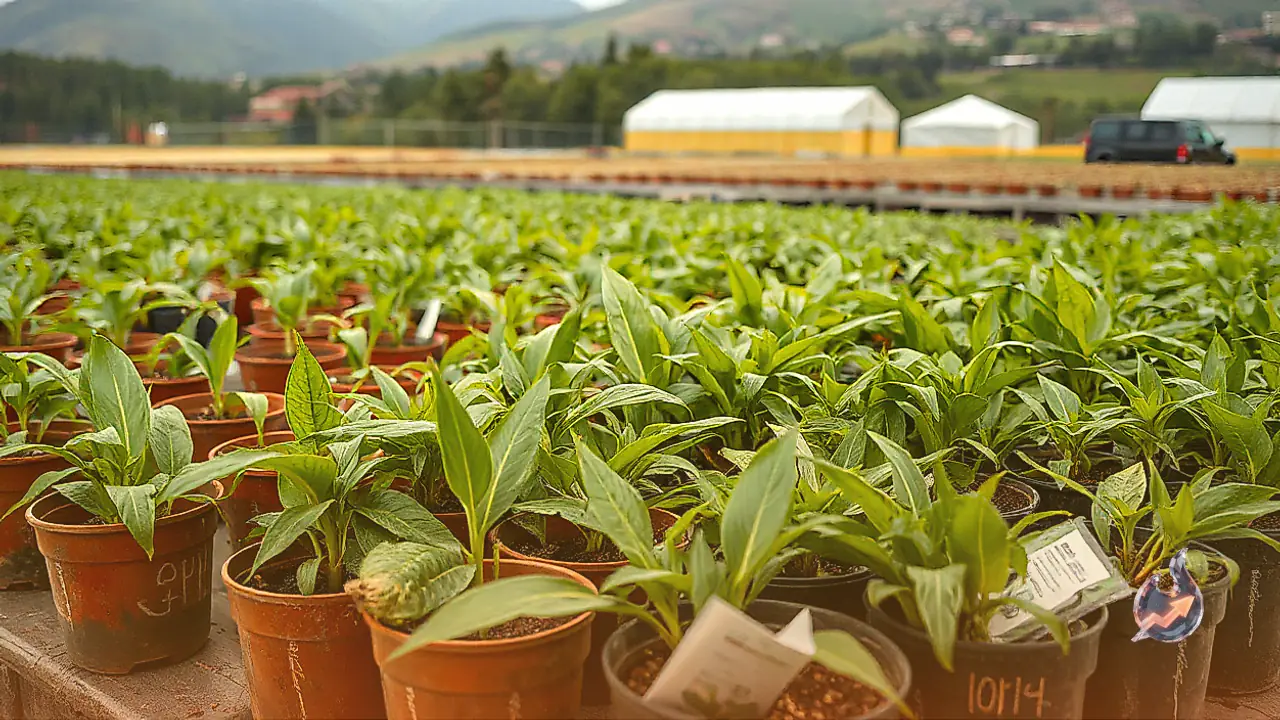
















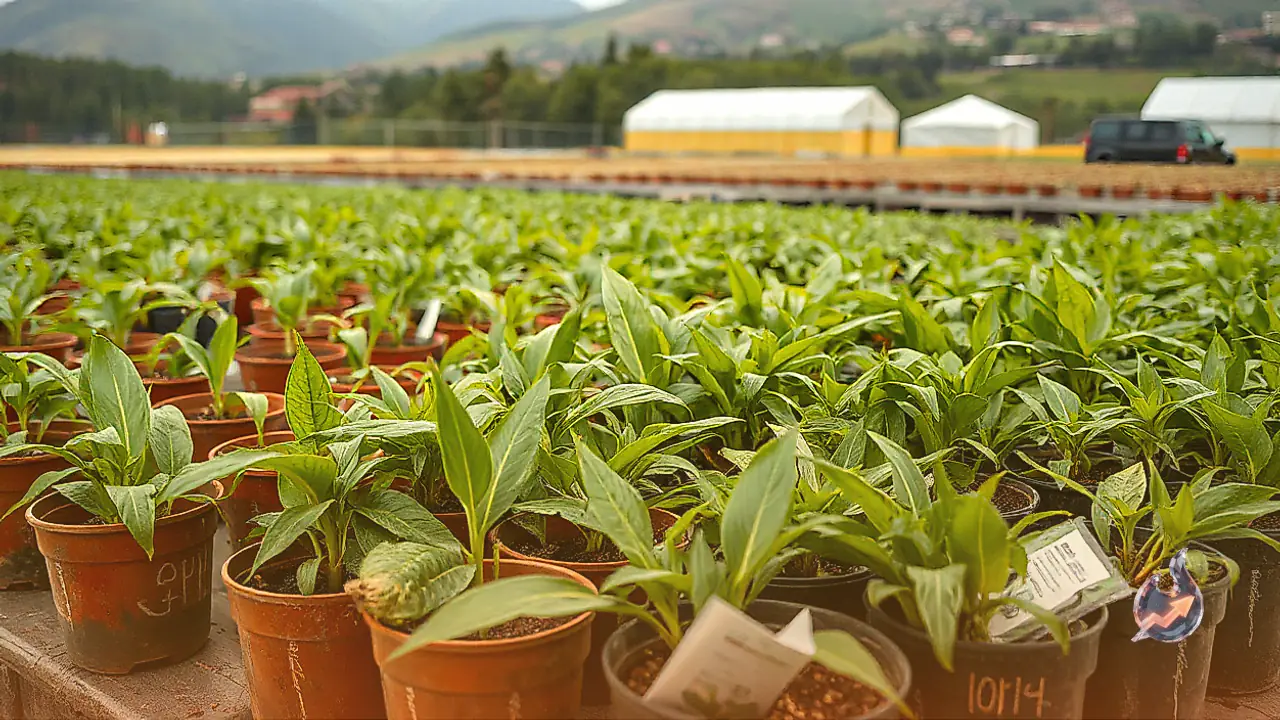

For people switching away from traditional tea and coffee to herbal green infusions, relying on expensive commercial packets is no longer necessary. A regular pot set on a balcony, open terrace, or courtyard is all that is required to cultivate aromatic lemongrass right at home. The plant does not demand expansive backyard plots or dedicated farmland, adapting effortlessly to standard domestic containers.
Why Winter Is an Ideal Season to Plant Lemongrass
Cold weather gardening enthusiasts can make excellent use of this fragrant perennial. Raghav Devasthale, a farmer cultivating lemongrass in Khargone, notes that the foliage carries a distinct citrus aroma and serves as a prime ingredient for brewing invigorating herbal tea. Anyone seeking a vibrant and refreshing start to the morning can pluck these aromatic leaves directly from the stem. Cultivating the herb at home also eliminates waste, as one can harvest precisely the quantity required for a single brew.
Choosing the Container and Preparing Nutrient-Rich Soil
The foundation of a thriving plant lies in selecting the right container from the outset. Gardeners should opt for a pot that measures at least 10 to 12 inches in both depth and width. Adequate drainage holes at the base of the container are essential to allow excess moisture to escape without rotting the subterranean root structure.
For the potting medium, ordinary soil should be enriched by blending in vermicompost or thoroughly decomposed cattle manure. This organic mixture keeps the medium porous, offering the expanding roots adequate breathing room and a steady reservoir of vital nutrients.
Planting Methods: Rooted Stems Over Seeds
While seeds are an option, propagating lemongrass from rooted tillers or purchasing an established sapling from a local plant nursery is considerably faster and far more dependable. When settling the young sapling into the soil, press the roots firmly into the blend while ensuring the crown is not buried excessively deep beneath the surface. Water lightly right after transplantation. Within a short period, fresh green blades will begin pushing upward.
Sunlight Requirements and Protection from Winter Frost
Vigorous vegetative growth depends directly on sunlight exposure. The container should occupy a sunlit position that receives between 5 and 6 hours of direct sunlight each day, making open rooftops and sun-facing balconies prime locations.
During peak winter, however, exposure to severe frost and bitter winds must be avoided. Plummeting temperatures can shock the plant. When conditions become particularly harsh, shifting the container to a sheltered spot that remains bright with ambient daylight prevents thermal damage.
Moisture Balance and Periodic Organic Feeding
Managing soil moisture properly is the most critical element of lemongrass maintenance. The potting mix must remain consistently moist to the touch without ever becoming waterlogged. Because water consumption drops significantly in winter compared to the summer months, daily blind watering should be avoided. Checking the top layer of soil with fingers is the best practice; add water only when the surface feels distinctly dry.
To maintain dense, bushy growth, yellowing or spent outer foliage should be pruned periodically. Nourishing the soil once a month with a light dressing of vermicompost or organic compost stimulates new shoot formation. If the blades become overly long and unruly, a gentle trim across the tips keeps the bush tidy and stimulates fresh leaf production.
Harvesting Leaves and Brewing a Fresh Citrus Infusion
Harvesting should only begin once the clump is fully established and robust. Mature outer leaves can then be snipped at their base as needed, leaving the younger central growth intact to fuel ongoing photosynthesis.
To prepare an infusion, rinse the harvested blades thoroughly under clean water and slice them into small segments. Drop these pieces into hot water and let them steep for a few minutes so the essential oils and citrus fragrance extract completely. Strain the liquid into a cup and enjoy it plain, or stir in a spoonful of honey or a splash of lemon juice to enhance the flavor profile.