






















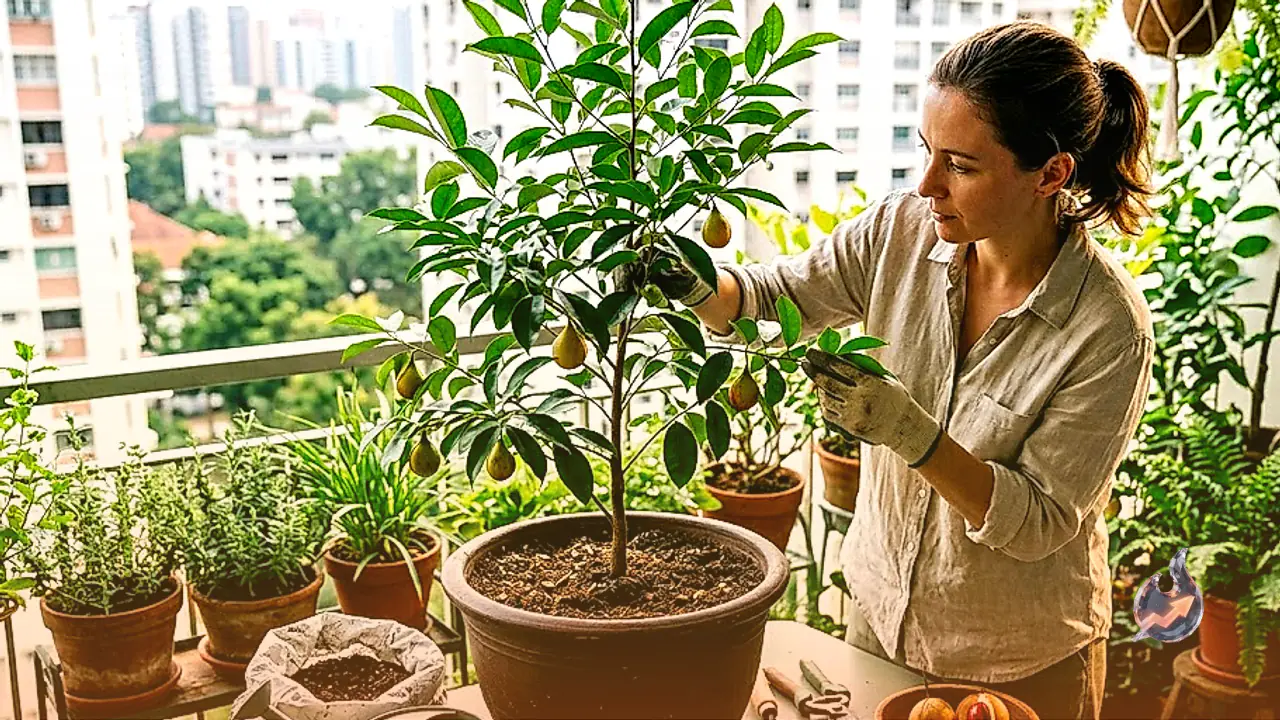

Among the wide assortment of aromatic spices found in classic cuisine, nutmeg and mace hold an exceptionally prestigious standing. Most consumers purchase these fragrant ingredients separately from grocery shelves at steep retail rates, unaware that both origins trace back to the exact same botanical specimen. For urban gardening enthusiasts lacking expansive agricultural acreage or backyard estates, raising this tree in standard containers is completely feasible. With attentive maintenance, proper soil composition, and balanced hydration, a single potted specimen can thrive comfortably within an apartment balcony or terrace garden.
Container Specifications and the Ideal Substrate Formulation
Successfully establishing this tropical plant inside a confined pot begins with dependable water management. Select a planter fitted with unobstructed drainage openings at the base, as standing water stagnating around root systems quickly leads to rot. Preparing the appropriate growing medium requires combining aerating materials with nutrient-rich organic components. According to Chandrashekhar Mishra, managing soil quality and moisture levels remains critical for the plant to thrive.
To blend an effective potting substrate, start with 2 handfuls of standard garden soil. Incorporate 2 handfuls of coarse sand to optimize drainage channels and maintain loose soil texture. Next, introduce 4 handfuls of shredded coconut coir to regulate ambient moisture retention, and round out the blend with 2 handfuls of vermicompost to deliver slow-release organic nutrition. This blend can be proportionally increased or decreased depending on the specific volume of the chosen planter. Such a mixture permits root aeration while preventing excess liquid from accumulating around the root ball.
Germination Practicalities and Moisture Management Rules
Once the soil formulation is settled, growers can begin either by sowing viable seeds or by transplanting an established sapling procured from a trusted plant nursery. Raising a tree from raw seeds requires considerable time, and germination success hinges heavily on the freshness of the seed stock. Immediately after setting the plant into the substrate, maintain light moisture across the profile while resisting the urge to over-saturate the pot.
Water should only be supplied when the topmost soil layer begins to feel dry to the touch. Chandrashekhar Mishra noted that because the plant develops at a naturally slow pace, maintaining patience after planting is essential. Creating soggy, waterlogged conditions will quickly suffocate young roots, making careful observation far more beneficial than frequent irrigation routines.
Environmental Preferences, Light Exposure, and Soil Nourishment
Nutmeg is native to tropical habitats, which means it thrives in warm, humid surroundings with steady airflow. Position the container in a protected domestic zone receiving abundant filtered daylight, especially during the early formative stages when direct, harsh afternoon sun can scorch fragile foliage. Conversely, placing the container in deeply shadowed rooms without access to natural lighting will severely stunt vegetative development. Adjust the placement as seasons change and the plant matures.
Sustained development requires regular biological nourishment delivered in controlled quantities. Incorporating measured amounts of vermicompost directly into the substrate works best to replenish essential nutrients. When working fertilizer into the pot, take care not to disturb or lacerate shallow feeder roots. Occasionally aerating the upper crust of the soil allows vital oxygen to penetrate deeper down. Furthermore, inspect foliage consistently for potential insect activity or fungal issues so remedial actions can be taken early.
Dual Spices Harvested from an Individual Fruit
The botanical marvel of this tree lies in its capacity to yield two entirely distinct spices from the same capsule. When the fleshy fruit attains full maturity, its external pericarp naturally splits open, revealing an inner shell. Enveloping that glossy central seed is a vivid red, lacy network known as an aril.
Carefully peeling off this bright scarlet webbing and drying it thoroughly produces the fragrant spice recognized as mace. Meanwhile, gently cracking open and curing the inner kerned seed yields culinary nutmeg. Both end products are celebrated for imparting warm depth, aromatic complexity, and rich flavor to savory meals and confections alike.
Market Realities and Long-Term Home Gardening Objectives
In retail markets, nutmeg and mace command premium pricing based on spice grade, seed size, essential oil concentration, and overall processing quality. This market value frequently sparks interest among urban residents eager to produce their own kitchen staples. Nonetheless, maintaining practical expectations regarding harvesting timelines is vital.
A seedling started at home demands multiple years of steady nurturing before reaching reproductive maturity and bearing fruit. Rather than approaching container planting expecting rapid culinary yields, gardeners should treat it as an enjoyable, rewarding long-term horticultural project. Over time, the plant enriches living spaces with lush greenery while eventually offering the unique reward of homegrown spices.