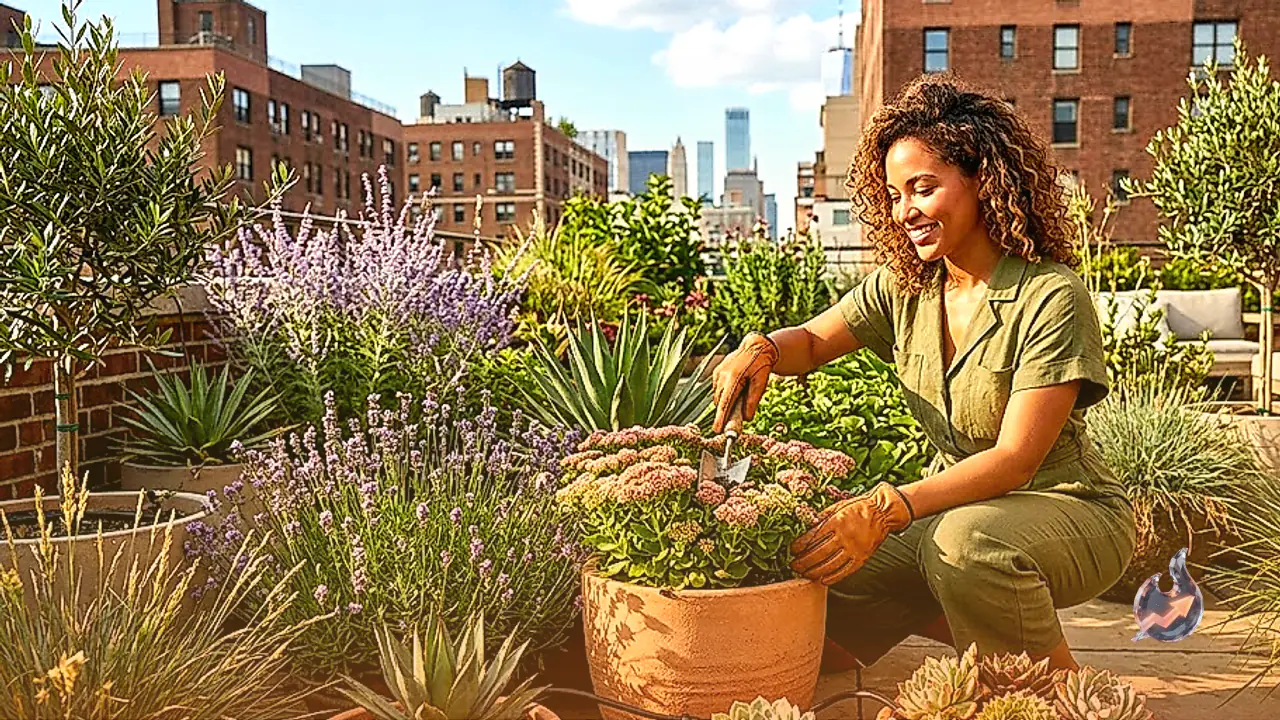






















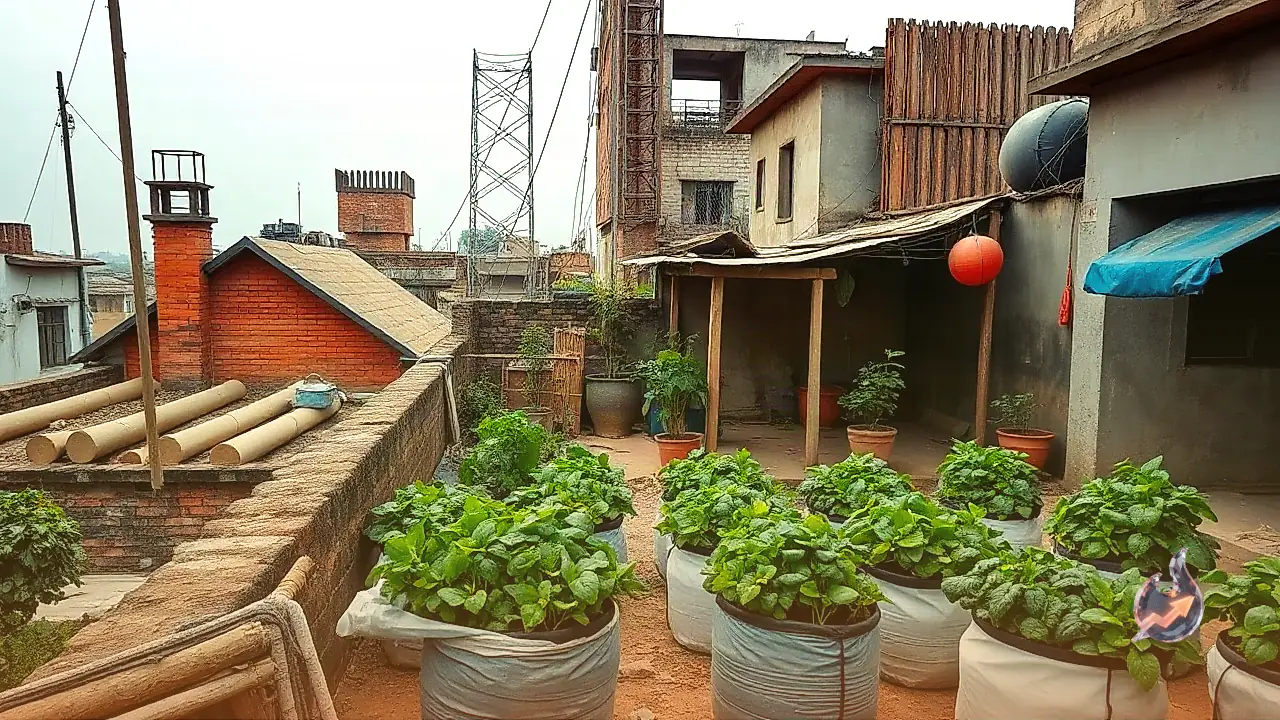

Transforming an empty residential terrace into a productive green space allows families to harvest fresh, chemical-free vegetables right at home. Taking into account the local climate and weather patterns of Moradabad, establishing a successful rooftop garden requires adhering to a few core principles regarding structural safety, container choice, and plant nutrition. With careful planning and routine attention, anyone can set up an efficient and rewarding terrace garden.
Ensuring Structural Safety and Reliable Waterproofing
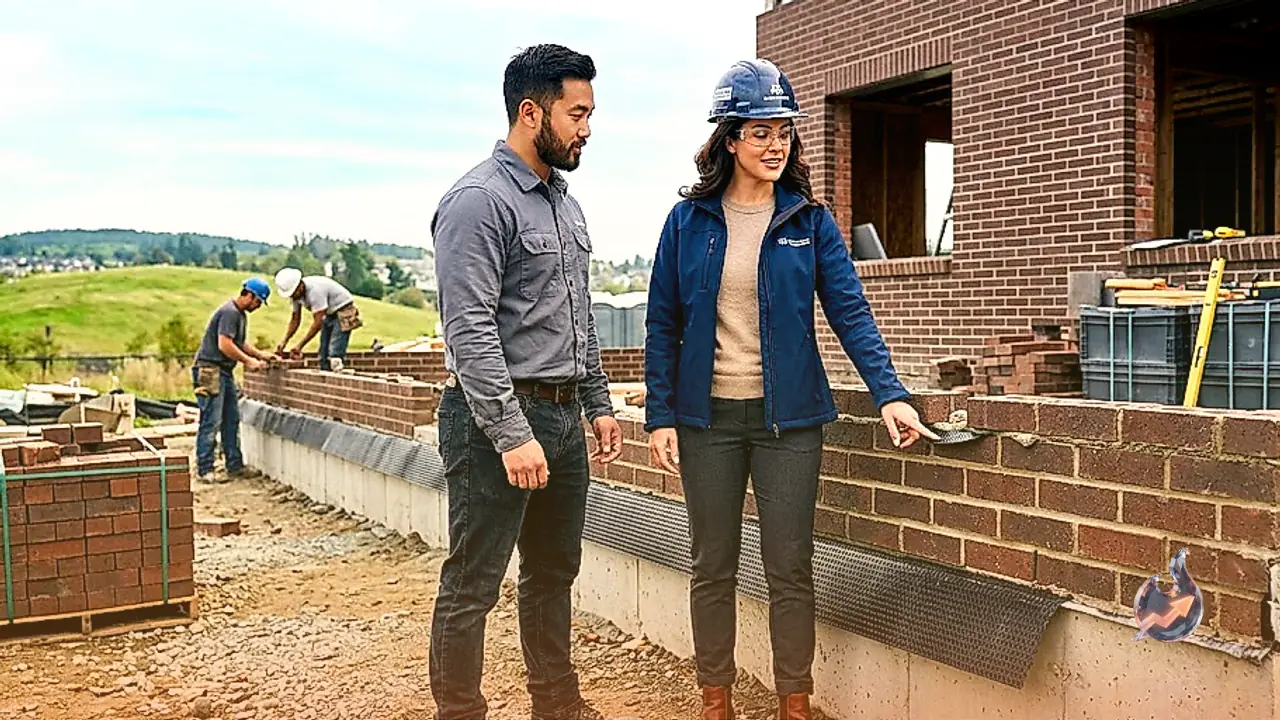
Before placing any plants on a roof, checking the building's structural integrity and waterproofing is the foremost requirement. As multiple containers, grow bags, and water-retaining soil accumulate, they introduce significant additional load onto the roof slab. Therefore, homeowners should have the condition of the terrace evaluated by a qualified specialist prior to starting cultivation. If needed, high-quality waterproofing should be applied to avoid continuous water seepage, internal dampness, and long-term structural harm. In addition, an adequate drainage system must be maintained to ensure excess water released during irrigation flows off the surface smoothly.
Choosing Lightweight Grow Bags Over Heavy Cement Pots
To keep the rooftop weight within safe limits, switching from conventional cement or earthen pots to lightweight plastic or HDPE grow bags is a far more sensible approach. These bags are easy to handle and exert considerably less static load on the roof even when filled with soil. When selecting grow bags, look for durable, high-strength material and ensure there are sufficient drainage openings at the base. These perforations allow surplus water to drain away freely, preventing waterlogging around root systems and minimizing root rot.
Preparing a Balanced and Lightweight Growing Medium
Vegetables grown in containers rely entirely on the quality and aeration of the growing medium. A light and fertile blend can be created by combining garden soil, organic compost, and coco peat in equal proportions. Coco peat preserves moisture over extended periods while keeping the texture loose and well-aerated, and compost supplies essential organic nutrients for root absorption. While mixing, make sure to eliminate any gravel, stones, or weeds. Once loaded into grow bags, this potting mix provides an ideal foundation for cultivating kitchen staples like tomatoes, chilies, spinach, and coriander.
Optimizing Sunlight Exposure and Protective Shading
Placing plants where they receive between 6 to 8 hours of daily sunlight is vital for vigorous growth and productive fruiting. For consistent yield, plants require roughly 5 to 6 hours of direct sunlight every day. Rooftop zones that capture ample morning to midday sun are particularly suitable for fruiting varieties like tomatoes, chilies, eggplants, and okra. It is best to avoid dark spots where tall parapet walls or nearby structures cast permanent shadows. During spells of intense summer heat, young or delicate seedlings should be protected from harsh midday sun using light shade netting.
Selecting Resilient Vegetables for Beginners
Novice gardeners should begin with crop varieties that demand minimal maintenance and adapt comfortably to confined root spaces. Initial plantings can include tomatoes, green chilies, eggplants, and okra, alongside leafy culinary herbs such as coriander and mint. These varieties occupy modest space and deliver a dependable harvest for household meals when given basic care. Starting with a limited number of grow bags allows growers to gain practical experience before expanding the setup.
Arranging Containers Along Structural Beams and Pillars
Whenever larger or heavier planters must be used, positioning them directly over or adjacent to load-bearing beams and pillars provides the highest degree of structural support. Concentrating heavy weight in a single central area should always be avoided. Distributing containers evenly across different sections of the roof preserves balance, and any doubts regarding load-bearing thresholds should be resolved by consulting a civil engineer or structural expert.