





















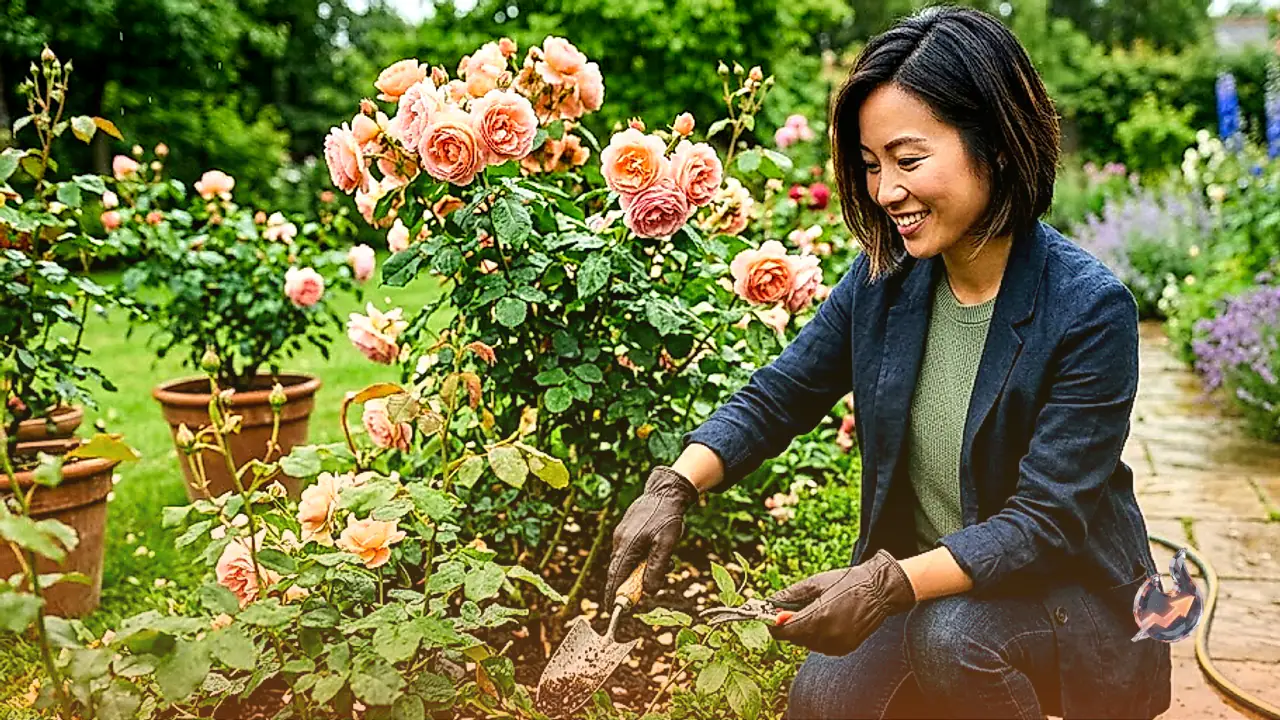

The rainy season brings a refreshing change for greenery, but delicate rose plants require a bit of extra attention during this period. Continuous rainfall, high humidity, and water stagnation inside pots can lead to severe issues like root rot, fungal infections, and unsightly spots on leaves. If you grow roses in your home balcony, rooftop, or garden, keeping a few straightforward guidelines in mind is essential to maintain their health throughout the monsoon.
During the rainy days, the need to water rose plants manually decreases significantly. Always check the soil moisture of the pot first before adding any water. If the soil is already damp, do not water it. It is vital that pots feature adequate drainage holes at the bottom so that excess rainwater can drain out easily. Water stagnation over prolonged periods weakens the roots and causes them to rot.
Rose plants need sufficient sunlight for robust growth and abundant flowering. Even though skies remain overcast during the monsoon, place the plant wherever possible to receive natural daylight for some part of the day. Keeping the plant in heavily shaded and enclosed spots hampers its growth and increases vulnerability to fungal diseases.
Black or brown spots may occasionally appear on rose leaves during spells of rain. Regularly inspect the plant and trim away dry, yellow, or heavily infected leaves using clean scissors. Do not allow fallen leaves and spent flowers to accumulate on the pot soil, as they serve as breeding grounds for pathogenic fungi.
Persistent moisture accelerates fungal problems in roses. Therefore, position the plant in an area with good ventilation and air circulation. If the plant has grown overly dense, carry out light pruning as needed so air can move easily between branches and leaves. If water droplets collect on leaves right after a shower, let them dry naturally rather than scrubbing them harshly.
Avoid frequent fertilizer applications in damp soil during the rainy season. If the plant genuinely requires nutrition, well-rotted organic manure or compost can be provided in limited quantities. Always check the soil condition before adding any fertilizer, as over-fertilization can place undue stress on the root system.
High humidity during the monsoon often invites aphids, mealybugs, and other garden pests. Inspect leaves and new shoots routinely. Catching and removing affected parts at an early stage along with maintaining overall cleanliness helps a lot. Apply any pesticide or fungicide strictly when needed and in accordance with guidelines. The golden rule of caring for roses in the rainy season is simple: prevent waterlogging, ensure proper airflow and light, and keep the plant clean. These small precautions help keep your rose plants thriving through the monsoon and yield a wonderful bloom of flowers afterward.