

















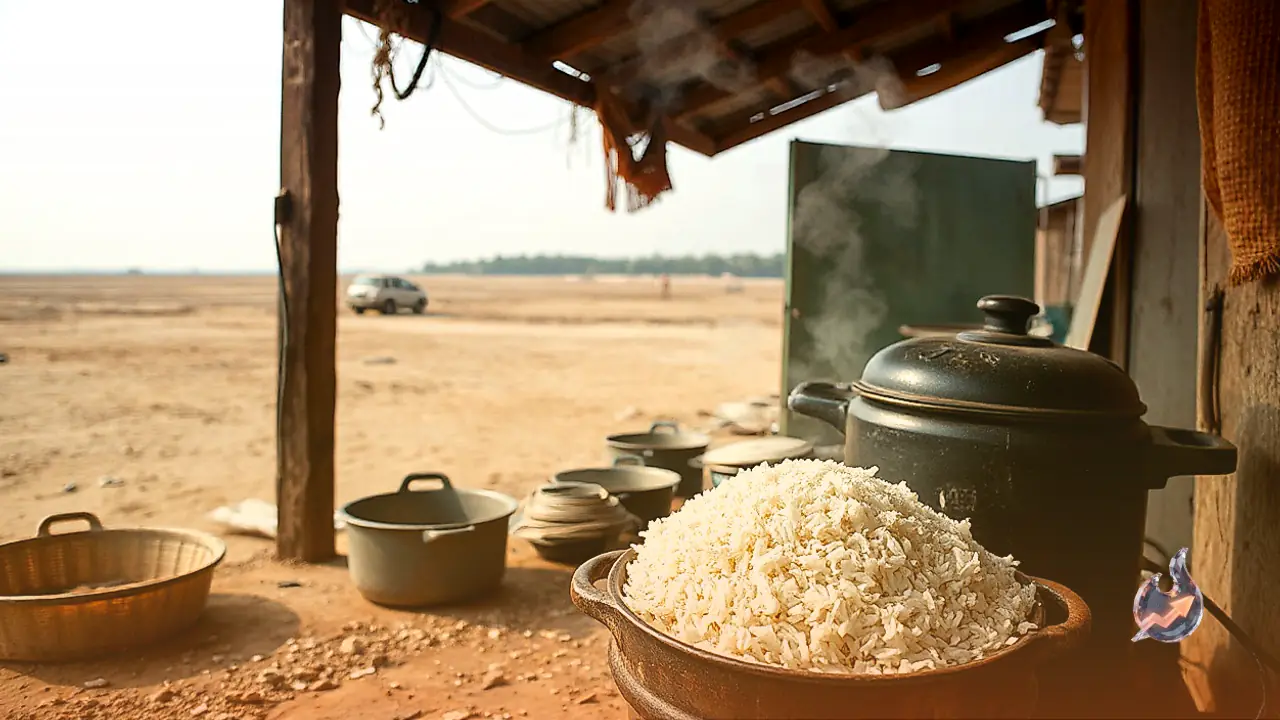

In modern households, using a pressure cooker has become the standard and most common method for cooking rice quickly. While this saves considerable time, an incorrect water ratio often leads to the grains becoming overly mushy or sticking together. In contrast, older generations traditionally cooked rice in open pots or deep vessels. This traditional approach ensured that every single grain remained distinct and fluffy.
Traditional Preparation Steps
According to Chandravati, open-vessel cooking was the standard practice in earlier times. The process began by thoroughly cleaning the rice and washing it three to four times with clean water. Afterward, the washed rice was left to soak in water for a brief period so that the grains would cook evenly and efficiently.
Checking for Doneness
Chandravati explains that identifying when rice was fully cooked in an open pot was straightforward. A couple of grains were taken out from the vessel and pressed between the fingers to test their texture. If the grains mashed easily and showed no signs of a hard or raw core inside, it confirmed that the rice was ready.
Draining Starch and Steaming
Once cooked, the next step involved removing the excess water from the rice. The pot was carefully held to drain out the remaining liquid into another container. This excess water drained from rice is commonly known as starch water or mand. Cooking in an open vessel allows a portion of the starch to separate along with the surplus water.
Fluffing the Grains
After draining the excess liquid, the pot was not covered immediately. Instead, it was kept on very low heat for one to two minutes. This allowed any remaining moisture inside the rice to evaporate as steam, helping the grains separate and become completely fluffy. Finally, the heat source was turned off, and the pot remained covered for a few moments.
Why the Traditional Method Matters
Chandravati notes that cooking rice in an open pot might take slightly longer than using a pressure cooker, but it allows the cook to visually monitor the cooking progress. This is why people in the past could easily prepare well-cooked, fluffy rice without modern kitchen appliances. While today's fast-paced lifestyle favors pressure cookers for convenience, this age-old pot method proves extremely useful whenever a cooker is unavailable or out of order.