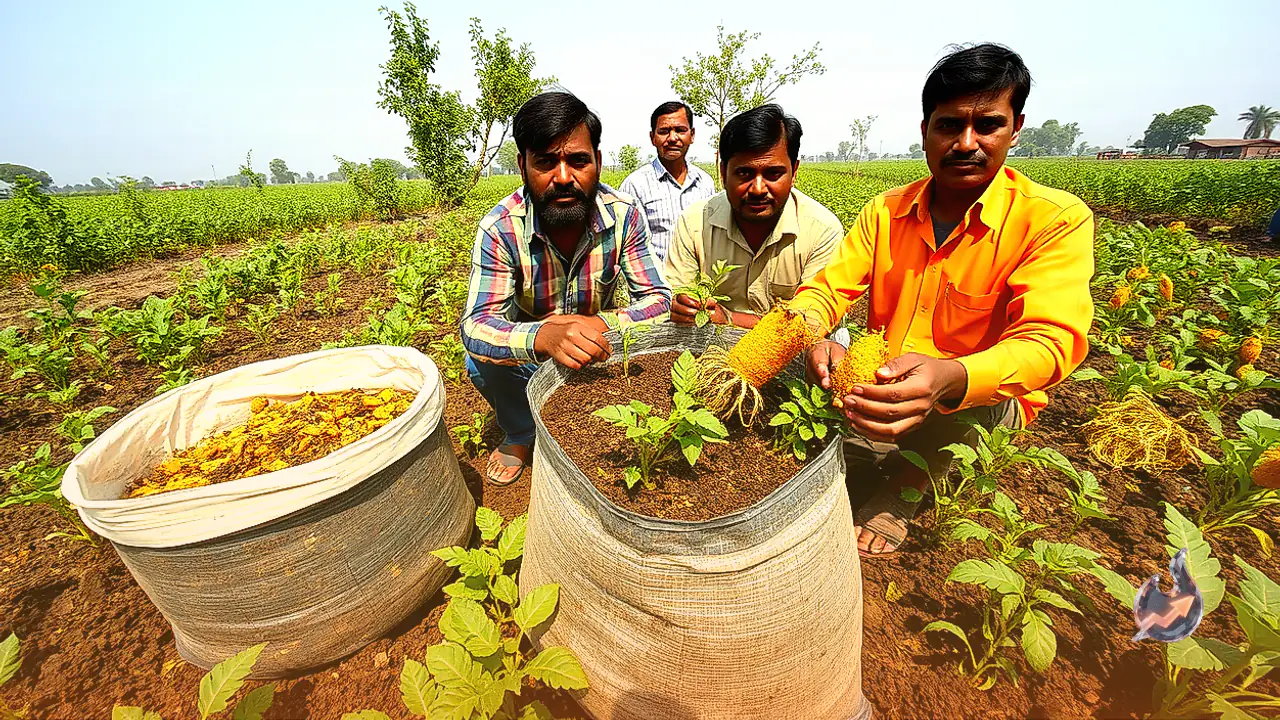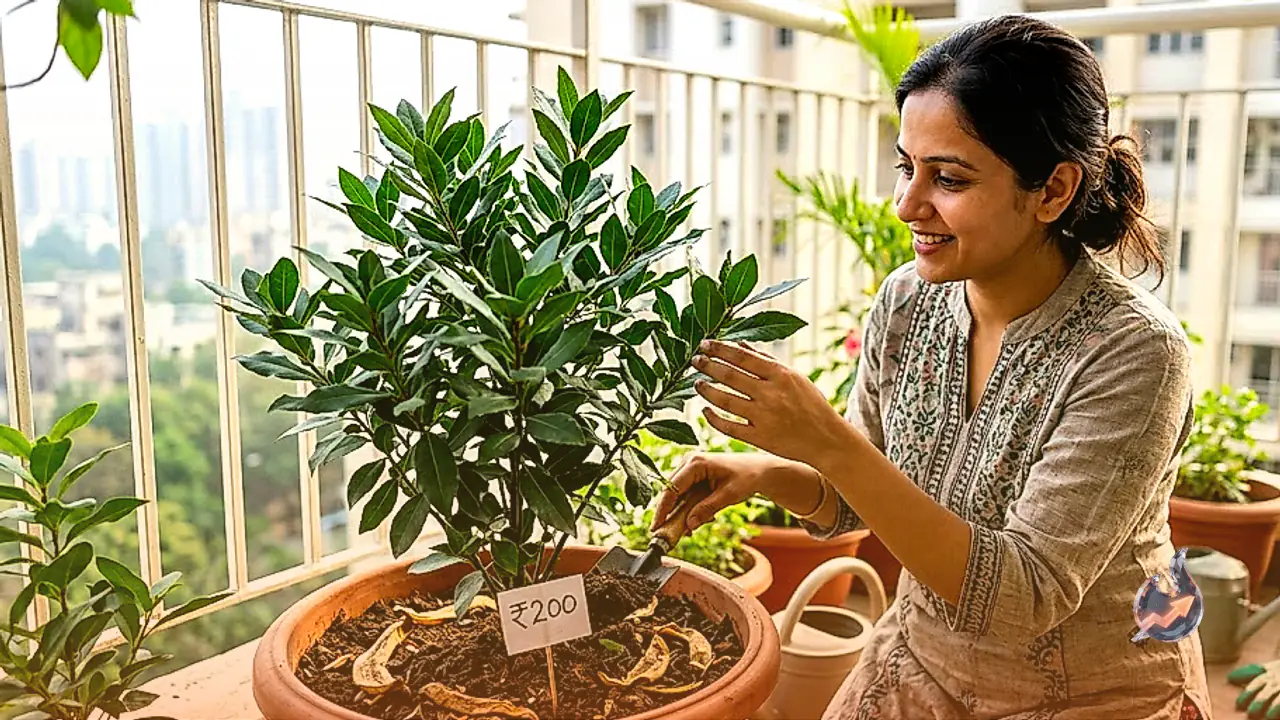




















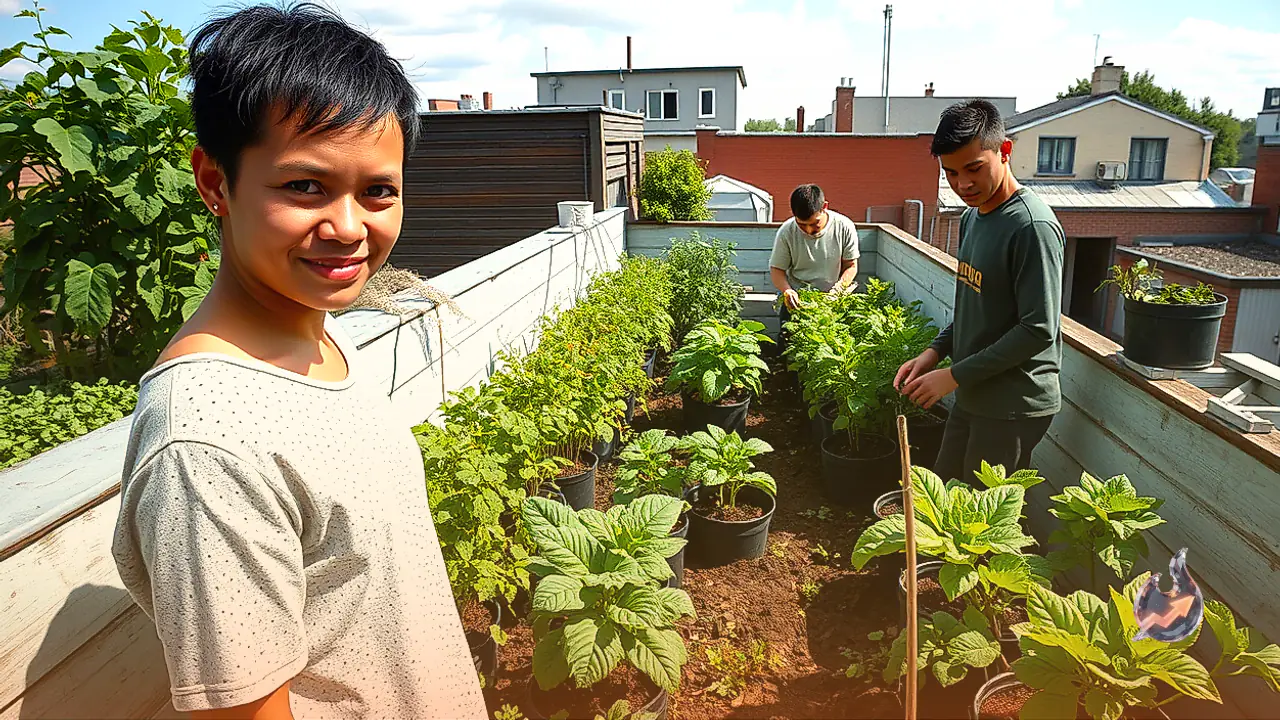

Utilising vacant spaces around home verandas, open rooftops, or borders of farm plots becomes remarkably productive when dedicated to creeping and climbing vegetables. Varieties such as bottle gourd, pumpkin, ridge gourd, bitter gourd, and several types of runner beans adapt well even to compact growing zones. When provided with nutritious soil, attentive maintenance, and scheduled irrigation, these vine plants expand vigorously. The most immediate reward is an uninterrupted harvest of nutrient-rich, farm-fresh vegetables grown completely free of synthetic chemical fertilizers right within household boundaries.
Soil Preparation and Seed Sowing Techniques
The foremost requirement for planting vine crops is selecting fertile earth that facilitates effortless water drainage. Stagnant moisture damages root networks, making proper drainage indispensable for healthy seedling survival. Beds or large planting containers should be readied by blending the soil thoroughly with well-decomposed cattle manure or decomposed organic compost, followed by smoothing the surface evenly.
Vegetables including bitter gourd, pumpkin, ridge gourd, and bottle gourd are propagated directly through seeds rather than sapling transplanting. When sowing these seeds, preserving an adequate distance between individual pits is essential so the future vines have ample room to spread without crowding. Once the seeds are placed in the soil, light moisture must be sustained consistently. Care must always be exercised to ensure that water never stagnates inside the containers or nursery beds, as over-saturation can rot the seeds before germination.
Building Strong Supports and Daily Plant Upkeep
As the seedlings establish roots and begin stretching their tender shoots upward, directing them onto structural frames prevents ground decay. Sturdy bamboo poles, durable ropes, or light iron mesh can be configured to guide the climbing stems heavenward. Legume crops like flat beans and cowpeas also thrive in domestic gardens and field borders when supported systematically. Erecting a resilient trellis or raised platform ensures that blossoming flowers and hanging vegetables remain clean, well-aerated, and unblemished by soil pathogens.
Maintaining healthy foliage requires disciplined watering routines aligned with plant growth. In addition, unwanted wild weeds must be extracted from the beds at regular intervals so that soil nutrients are not stolen from the main vines. Continuous observation of leaves and stems is equally crucial for spotting pests or early fungal infections before they inflict serious damage on the harvest.
Matching Varieties to Regional Seasons
The most suitable window for sowing vine vegetables varies according to local climatic conditions and the specific traits of the vegetable variety. Because weather parameters fluctuate across regions, consulting a local agricultural specialist before initiating cultivation provides valuable clarity regarding which seed variety matches regional conditions and when sowing should commence. With systematic management and proper cultural practices, climbing vegetables fulfill daily household culinary demands while presenting farmers with a dependable stream of supplementary yield and revenue.