























Cultivating fresh herbs and culinary spices on a home terrace or balcony provides immense personal satisfaction while ensuring everyday meals receive pure, unadulterated flavours. Bay leaves hold an indispensable place in daily cooking, frequently used to elevate hot morning tea and bring aromatic depth to savoury dishes. Instead of repeatedly purchasing packaged spices from grocery stores, setting up an organic bay leaf plant at home offers a permanent and economical alternative. With minimal effort and standard container management, any household can enjoy a constant harvest of fresh leaves for decades.
Sourcing the Plant and Initial Investment
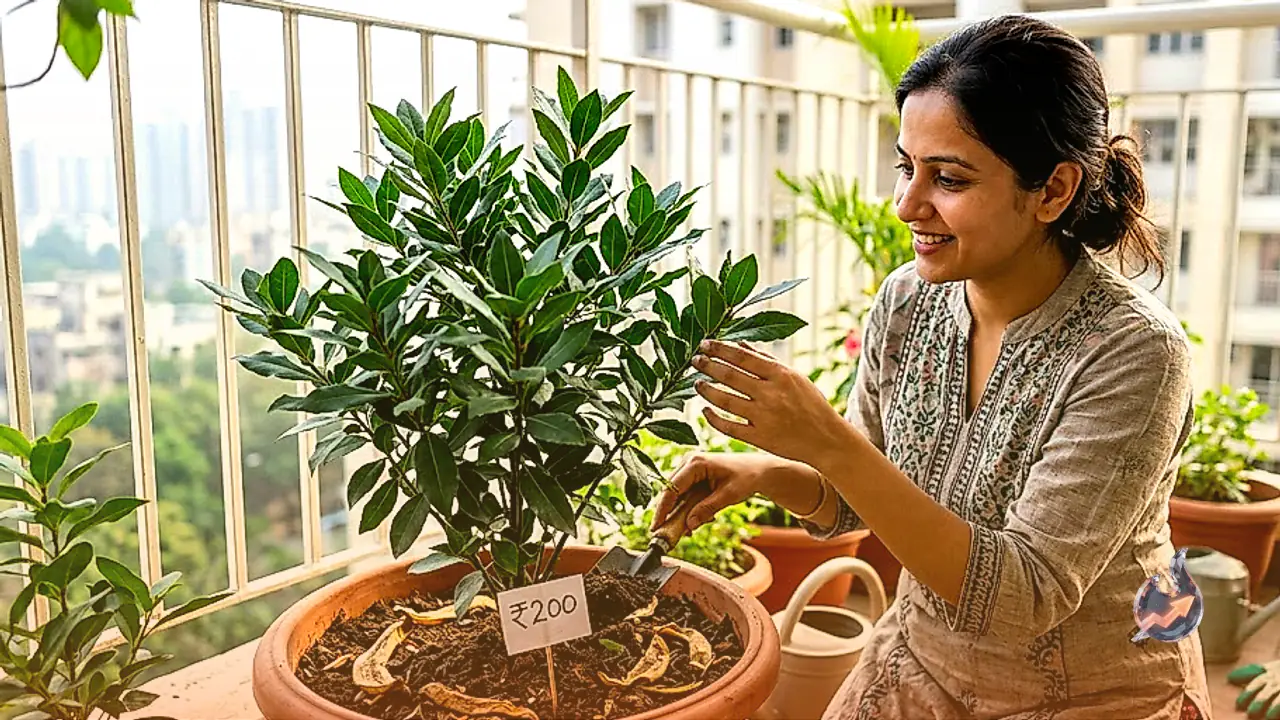
Beginning bay leaf cultivation requires very little preparation and zero specialized infrastructure. Seasoned home gardener Aradhana Devi, who manages hundreds of plant varieties in her personal garden, points out that expensive setups or wide plots of land are completely unnecessary. The plant adapts exceptionally well to large containers placed on balconies or rooftops. The journey starts by picking up a healthy, robust sapling from a local plant nursery, which typically costs about ₹200. This modest upfront expense permanently eliminates recurring spending on store-bought bay leaves.
Growth Potential in Pots Versus Open Soil
Once planted, the sapling develops steadily into a dense, productive tree. When nurtured inside a spacious pot, it comfortably attains a mature height ranging between 10 to 15 feet. For residences with backyard space or direct ground access, planting it directly into the soil allows it to stretch even higher, reaching up to 20 feet. Within two to three years of routine care, the sapling expands into a robust tree with extensive branches, generating a plentiful and uninterrupted supply of fragrant leaves for the kitchen.
Weekly Maintenance and Pruning Routine
Bay leaf maintenance remains straightforward and takes only a few minutes each week. Inspecting the foliage once every seven days ensures the plant stays in optimal condition. During this check, any dried or discoloured leaves should be carefully clipped away. These harvested dry leaves do not need to be discarded, as they are fully usable in daily cooking, curries, and tea brews. Regular pruning helps channel energy into fresh foliage while continuously stocking the household pantry with ready-to-use aromatic leaves.
Natural Feeding and Soil Aeration
Sustaining vigorous growth does not call for costly chemical fertilizers or artificial additives. Gardeners simply need to loosen the soil around the base of the plant once a month through light tilling, allowing proper root aeration. Adding a thin top layer of fresh, fertile garden soil helps replenish depleted ground texture as the tree expands, accompanied by consistent watering to keep the root ball hydrated.
Nutrient requirements are fully met through basic, organic inputs found around the home. Dry cow dung manure serves as a rich, slow-release foundation for root development. In addition, vegetable peels and organic kitchen scraps soaked in water until decomposed create a nutrient-dense liquid feed that can be poured directly into the root zone. Providing this simple organic nourishment ensures that within two to three years, the ₹200 nursery sapling transforms into an enduring backyard tree yielding chemical-free spices for a lifetime.