


















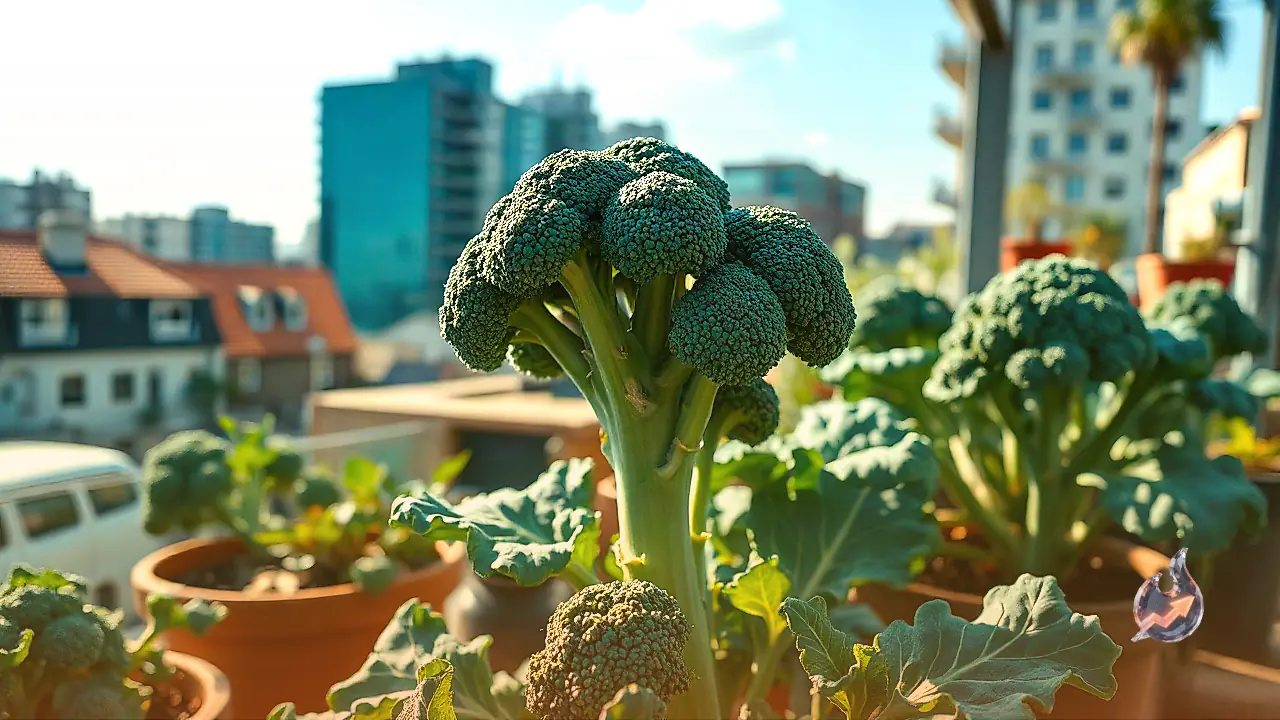

Inflation has sent vegetable prices soaring, prompting many consumers to shift away from market purchases and toward growing their own produce at home. Across urban rooftops and balconies as well as rural courtyards, the trend of setting up kitchen gardens is gaining significant momentum. The best part is that numerous vegetables can thrive even in limited spaces, and broccoli is a prime example. With the right container and a little bit of care, you can successfully cultivate broccoli right at your own residence.
While commercial broccoli cultivation typically takes place on large farms, the crop can also be grown domestically without needing sprawling acreage or massive plots of land. A standard-sized, high-quality pot is more than sufficient for a broccoli plant to flourish. Success in container gardening relies primarily on selecting the correct pot, utilizing good soil, ensuring adequate sunlight, and maintaining a regular maintenance routine to support steady plant growth.
The process begins with choosing an appropriately sized container, as broccoli roots require sufficient space to expand properly. Opting for a pot that is at least 12 to 15 inches deep and wide is ideal for this purpose. Furthermore, the container must feature adequate drainage holes at the bottom to let excess water escape freely and prevent root rot.
Water stagnation inside the container can severely harm the broccoli plant over time. Excess moisture puts the root system at risk of decaying, making proper drainage an absolute necessity. Gardeners can use plastic, terracotta, or cement pots depending on their preference. Growing the vegetable at home eliminates the recurring need to purchase it from local vendors and guarantees a fresh supply.
Broccoli is inherently a cool-weather crop that thrives best under lower temperatures while still requiring ample sunlight. The pot should be placed in a spot that receives roughly 4 to 5 hours of direct sunlight every day. A terrace or a well-lit balcony with strong natural illumination makes an ideal location. However, excessively hot weather and intense heat waves can stunt the plant's development.
As the broccoli plant matures, a tight green head resembling a flower cluster begins to form right at the center. This green cluster constitutes the primary edible portion of the vegetable. Harvesting should be performed once this head is fully developed, but before the individual flower buds start opening up. Leaving the head on the plant for too long can degrade its overall quality and texture.
District Horticulture Officer Mrityunjay Singh shared insights noting that broccoli is widely recognized as a nutrient-dense vegetable packed with essential health benefits. It contains vital nutrients including fiber, vitamin C, vitamin K, and folate. Regular consumption of vegetables remains vital for a balanced and healthy diet, which explains why market demand for broccoli consistently remains high among health-conscious consumers.