






















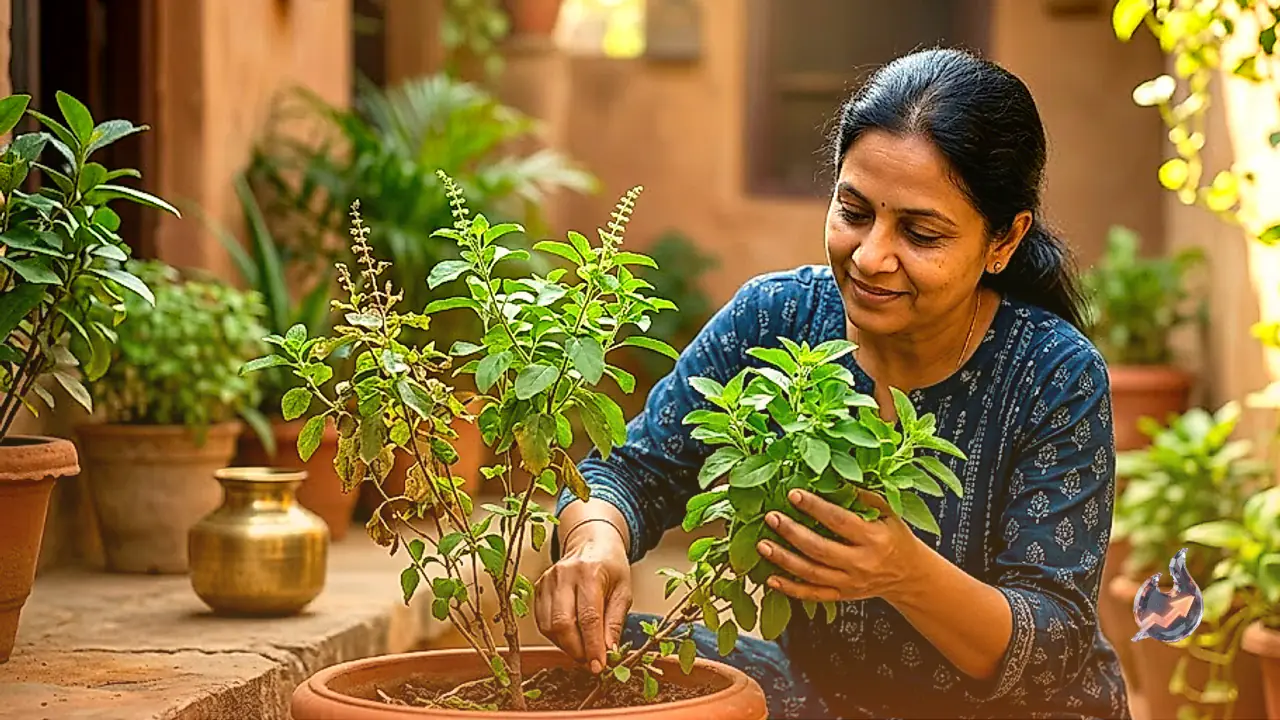

The holy basil plant is a staple in most households and holds deep religious significance in Hindu culture, where families regularly worship and tend to it. Yet, despite daily care and attention, many people struggle with plants that refuse to grow or end up withering away prematurely. If your tulsi has stopped thriving, specific expert-backed gardening steps can revive its health. Practical guidance shared by a gardening expert on the Instagram page loveforgardening85 highlights effective methods to double the growth rate of the plant and keep it vibrant and green throughout the seasons.
Sowing Seeds and Managing Moisture
Starting a new tulsi plant begins by acquiring quality seeds from a local market and planting them directly into damp soil. The seeds should be covered with a very thin layer of topsoil, followed by gentle and regular watering until germination takes place. Within a few days, tiny sprouts will emerge from the ground. Since monsoon and rainy weather naturally keep the soil moist, heavy watering is unnecessary. However, special care must be taken to shield delicate young saplings from harsh, heavy downpours during storms to prevent root damage.