





















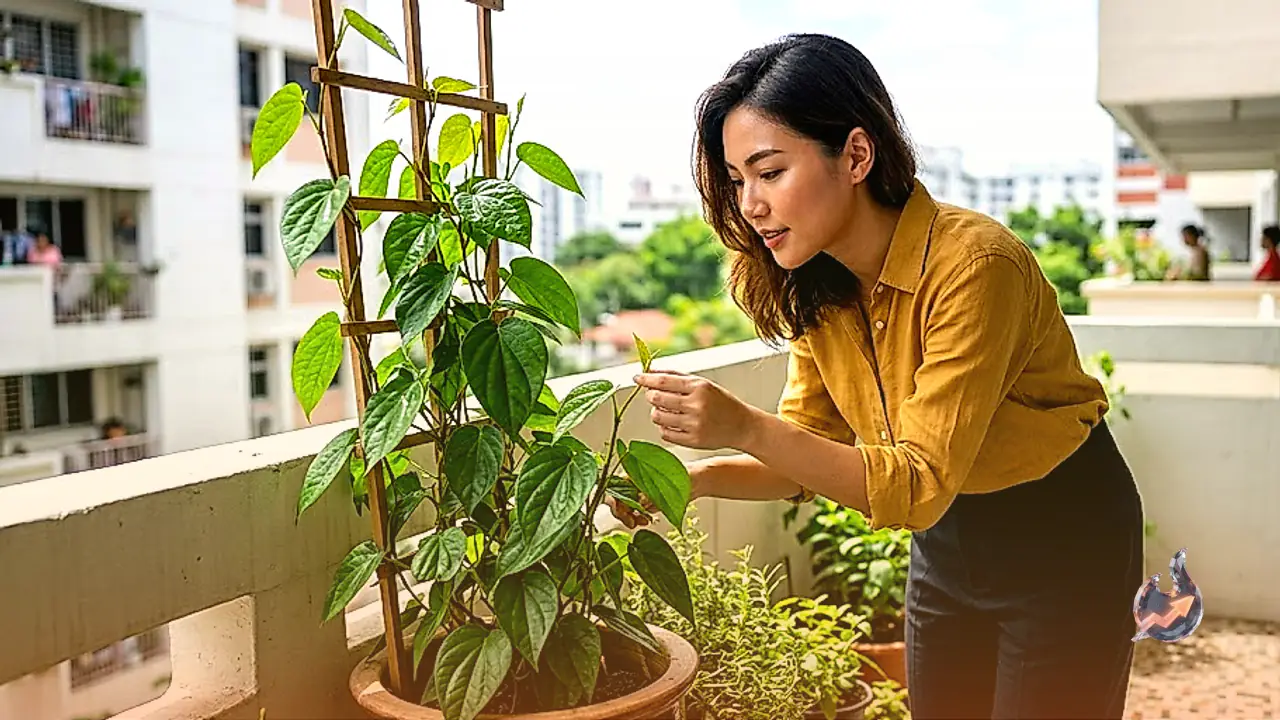

Cultivating a thriving green balcony is a popular way to bring freshness and vibrancy into home living spaces, and the betel vine is a standout choice for this purpose. Recognized for its glossy, heart-shaped foliage and clinging stems, this climber can transform an ordinary corner into an attractive natural screen. However, urban gardeners frequently encounter a situation where the vine develops elongated, bare stems while producing very few leaves. The resulting sparse appearance often raises questions about what went wrong during cultivation. Reviving such a plant does not require intricate procedures, but rather a clear understanding of its environmental preferences. By aligning lighting, hydration, potting medium, and basic pruning, one can easily stimulate dense vegetative growth.
Providing Filtered Illumination and Shielding from Harsh Sun
The condition and vibrancy of betel leaves depend heavily on the quality and duration of sunlight the plant receives. This tropical climber does not tolerate prolonged exposure to intense, direct afternoon sun, especially during the peak heat of summer months. Harsh rays can quickly scorch the delicate tissue of the leaves, causing them to turn brown, dry out, and drop prematurely. Conversely, positioning the container in deep shade or poorly lit interiors will drastically reduce photosynthetic activity, leading to weak, elongated growth and pale foliage.
The optimal setup involves placing the planter in a spot that receives gentle early morning sunshine followed by bright, indirect light throughout the remainder of the day. If foliage begins yellowing or the overall structure appears stunted, the first step should always be to evaluate its light exposure and shift the pot to a better-buffered balcony location.
Balancing Soil Moisture While Preventing Waterlogging
While betel plants thrive in consistently moist surroundings, there is a distinct difference between humid soil and saturated mud. Excess water inside the pot deprives the root system of vital oxygen, creating favorable conditions for fungal root rot that can swiftly kill the vine. Therefore, careless overwatering represents one of the most common causes of plant failure.
A dependable method for managing hydration is testing the upper layer of soil with a finger before reaching for the watering can. Water should only be applied when the top inch of the medium feels dry to the touch. Furthermore, the container must possess functional drainage openings at the base so that any surplus liquid escapes freely rather than stagnating around underground roots.
Choosing an Aerated Growing Medium for Healthy Roots
Supplying water correctly produces minimal benefit if the underlying soil mix is compacted and heavy. A flourishing vine demands a nutrient-rich yet well-draining substrate that allows tender roots to expand and breathe without hindrance. Clay-heavy, dense mixtures that retain excessive water should be avoided entirely.
To maintain soil health over time, gently loosen the upper crust of the potting mix at periodic intervals. This gentle aeration allows fresh air to circulate directly into the root zone while preventing hard crusting on the surface. Improved air exchange encourages healthy root development, directly translating into robust top growth.
Using Climbing Supports and Pinching Stem Tips
As a natural climbing specimen, the betel plant requires a sturdy framework to anchor its adventitious aerial roots. Gardeners can introduce moss poles, wooden trellises, or wire mesh along the balcony wall to provide this necessary upward trajectory. As new shoots lengthen, secure them loosely to the support structure using soft ties to avoid pinching the green tissue.
When a vine develops solely as a single, endless cord without branching out from lower nodes, tip pinching offers an effective horticultural remedy. Removing the tender growing tip of the main shoot interrupts apical dominance, prompting the plant to generate multiple lateral shoots from dormant nodes along the stem. Over time, these additional branches create a fuller, multi-layered appearance.
Applying Restrained Nutrition and Ongoing Inspection
It is a misconception that heavy applications of fertilizer will automatically yield an explosion of leaves. Betel vines are moderate feeders that can easily suffer root damage from excessive chemical salts. During active vegetative periods, supplying mild organic amendments or well-decomposed compost in measured doses is more than sufficient.
The quantity of nutrients must correspond strictly with the container capacity and the overall size of the vine. In addition to restrained feeding, make it a routine habit to inspect leaf undersides and stem joints for early signs of pest activity, spots, or sudden discoloration. Prompt identification allows gardeners to correct issues before foliage is compromised. Through balanced light, measured watering, breathable soil, firm support, and timely tip pruning, a betel plant can thrive indefinitely as a dense and refreshing addition to any balcony.