

















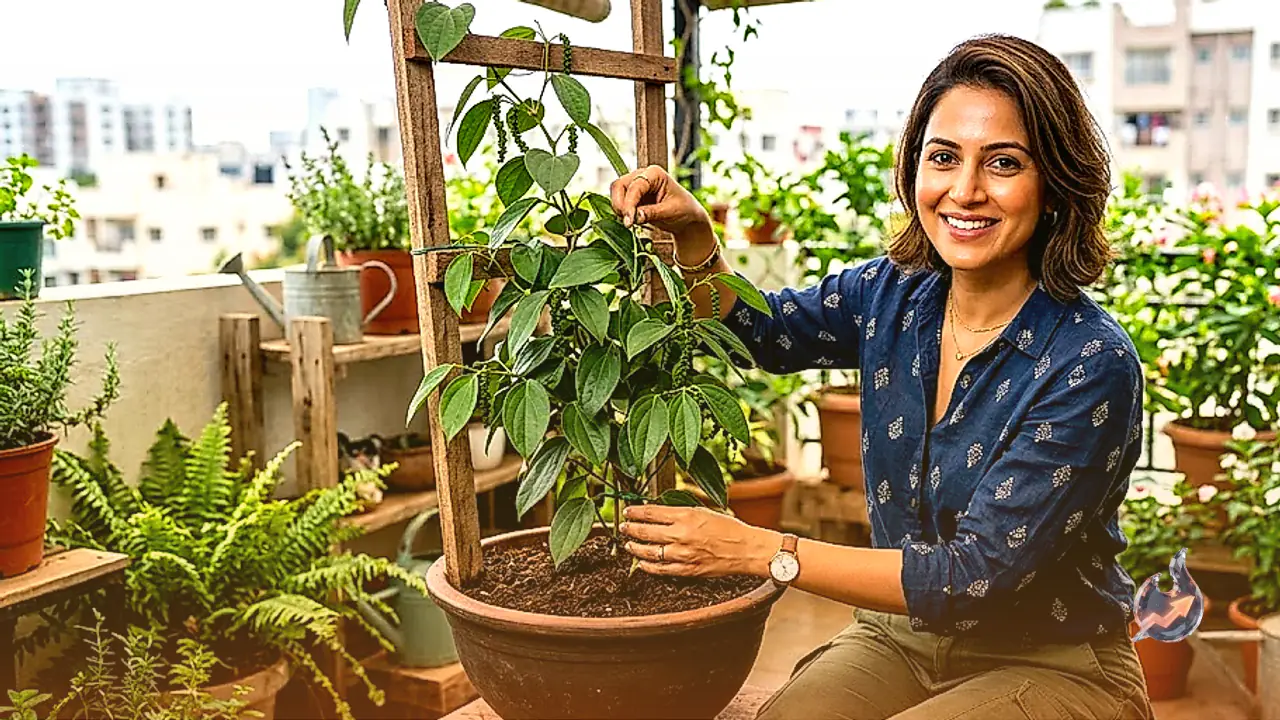

Home gardeners looking to expand their terrace or balcony collection can successfully cultivate kitchen spices by growing black pepper in containers. Because black pepper is naturally a climbing vine rather than a self-supporting shrub, it demands attentive management and an adequate physical structure to climb. When provided with nutrient-rich organic soil, balanced moisture, and bright indirect light, this vigorous climber establishes well in residential settings. Following a few systematic horticultural practices makes growing this staple spice at home entirely manageable.
Selecting a Healthy Sapling or Vine Cutting
Starting with the right plant material forms the foundation of a productive pepper container garden. Germinating black pepper directly from dried seeds is notoriously slow and difficult, making a vigorous nursery-grown sapling or established cutting the preferred route for most growers. When inspecting young plants at a nursery, look for vibrant, rich green foliage and sturdy stem growth. It is essential to ensure that the stems and leaves show no evidence of pest infestation, fungal discoloration, or rot before bringing the plant home.
Choosing Container Dimensions and Trellis Support
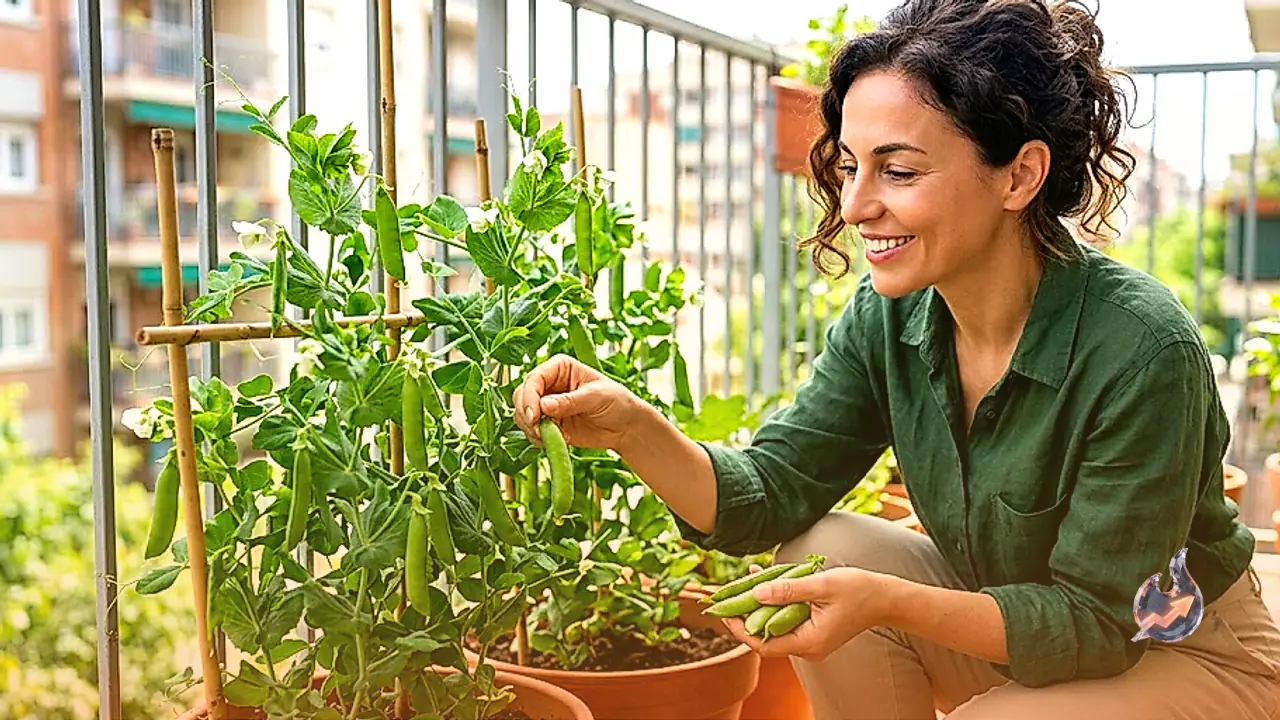
Because black pepper vines produce an extensive root system as they expand, pot volume directly dictates the plant's health. The ideal container should measure at least 15 to 18 inches in both width and depth to provide ample growing room. The base of the pot must feature functioning drainage holes so that excess moisture drains freely away from the root ball. As the vine begins to climb, it requires external physical support, which can be provided by sinking a sturdy wooden stake, moss pole, or trellis framework directly into the pot.
Blending an Aerated and Nutrient-Dense Potting Medium
Black pepper thrives in fertile, well-draining potting soil packed with organic matter. A balanced potting blend can be assembled by mixing standard garden soil with well-rotted cow dung manure or mature compost. Incorporating coarse sand or coco peat ensures the texture remains porous, loose, and crumbly. This porous structure allows oxygen to circulate freely around the root fibers while preventing soil compaction that could trap moisture and drown the root system.
Planting Steps and Sunlight Exposure
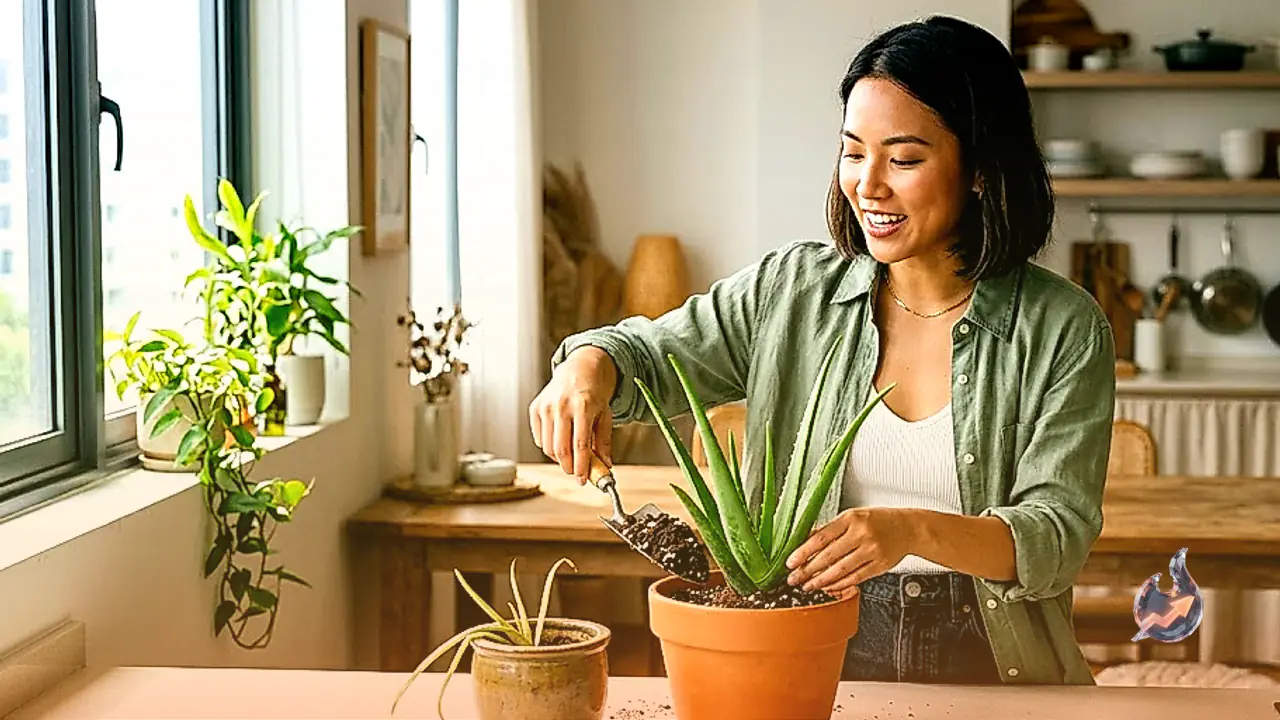
When potting the vine, fill the bottom of the container with prepared soil and form a central pocket deep enough to comfortably house the root ball. Gently settle the plant into the center without tearing the delicate roots, then backfill with soil around the crown. Firm the soil gently with your hands without pressing it too tightly. Give the freshly potted vine a light watering to settle the mixture. Position the container in a warm location receiving abundant indirect light, keeping it sheltered from scorching midday sun that can scorch delicate leaves.
Moisture Management, Fertilization, and Routine Maintenance
Maintaining proper hydration is vital because pepper plants favor humid conditions but deteriorate rapidly in waterlogged soil. Water the pot only when the top layer of the potting mix feels dry to the touch, bearing in mind that hot summer weather naturally increases transpiration and water consumption. Feeding the plant periodically with compost or organic fertilizer sustains healthy foliage and root vigour. As growth continues, gently guide the emerging vine stems onto the stake or trellis, while regularly pruning away yellowing, dead, or diseased leaves and keeping the surface free of weeds.