























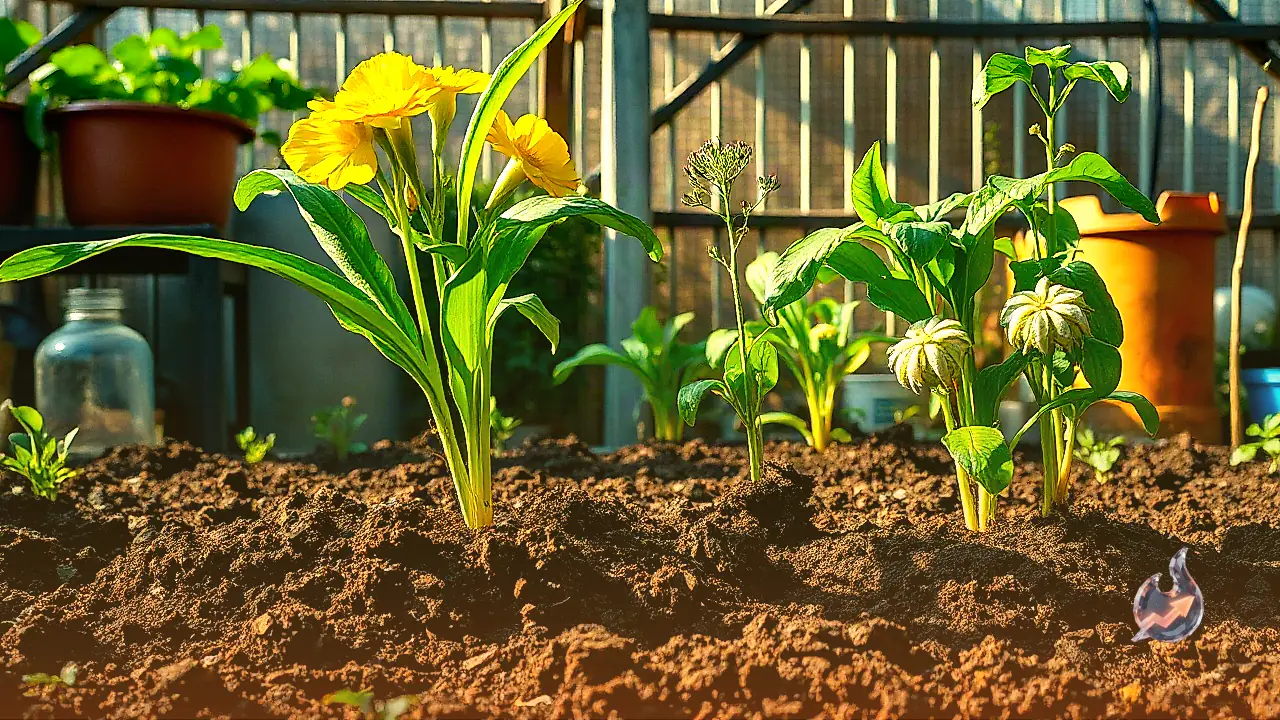

Growing your own fresh, green vegetables in a backyard or a kitchen garden is an immensely rewarding experience. However, the foundation of a successful harvest lies in the quality and fertility of the soil. While chemical fertilizers and synthetic pesticides might offer a temporary surge in crop yields, they eventually degrade the soil structure and destroy its long-term viability. For a sustainable and continuous supply of healthy produce, nurturing the soil through natural methods is crucial. If you are looking to cultivate a thriving vegetable patch at home, implementing some simple, organic strategies can significantly enhance your soil's health and productivity.
Harnessing Natural Fertilizers for Richer Soil
The most effective way to improve the physical and chemical properties of your soil is by blending in generous amounts of organic matter, such as well-rotted cow dung manure, compost, or vermicompost. These natural additives do more than just supply essential macronutrients like nitrogen, phosphorus, and potassium. They also improve soil structure, enhancing its aeration and water-holding capacity. Furthermore, organic manures stimulate the activity of beneficial soil microbes, which play a crucial role in breaking down nutrients and making them easily accessible to plant roots.
Implementing Crop Rotation and Green Manuring
Planting the exact same crop in the same spot year after year can rapidly deplete specific nutrients from the soil. To prevent this, practicing crop rotation is highly recommended. By alternating the families of crops you grow each season, you maintain a healthy nutritional balance in the soil and break the life cycles of persistent pests and diseases. Additionally, growing green manure crops like Dhaincha or Sunn hemp and tilling them directly back into the ground is an excellent practice. As these plants decompose, they naturally enrich the soil with high levels of nitrogen and organic matter, promoting robust future plant growth.
Guarding Topsoil and Testing Nutrients
Strong winds and heavy rains pose a constant threat of washing away the highly fertile top layer of your garden. Protecting this valuable resource requires implementing soil conservation measures such as constructing raised ridges or bunds, planting defensive vegetation, and applying mulch over exposed soil. Along with protection, getting your soil tested periodically is a smart move. A simple soil test reveals exactly which nutrients are lacking, allowing you to address specific deficiencies with targeted organic treatments rather than relying on guesswork.
Your Step-by-Step Guide to Preparing Garden Soil
Properly preparing your cultivation site is the most important step before sowing any seeds. Start by clearing the designated garden area of stones, weeds, wild grass, and debris. Next, use a spade or a hand trowel to thoroughly dig and loosen the soil, breaking up any hard clumps. This aeration process is vital because it allows plant roots to breathe and spread deep into the earth. Incorporate high-quality compost, vermicompost, or aged manure into this loose soil. If the ground is heavy with clay and drains poorly, blend in some sand or cocopeat to improve permeability. Once mixed, let the prepared soil rest undisturbed for 5 to 7 days. Finally, ensure the soil is lightly moistened right before planting to encourage rapid seed germination and healthy root establishment.