





















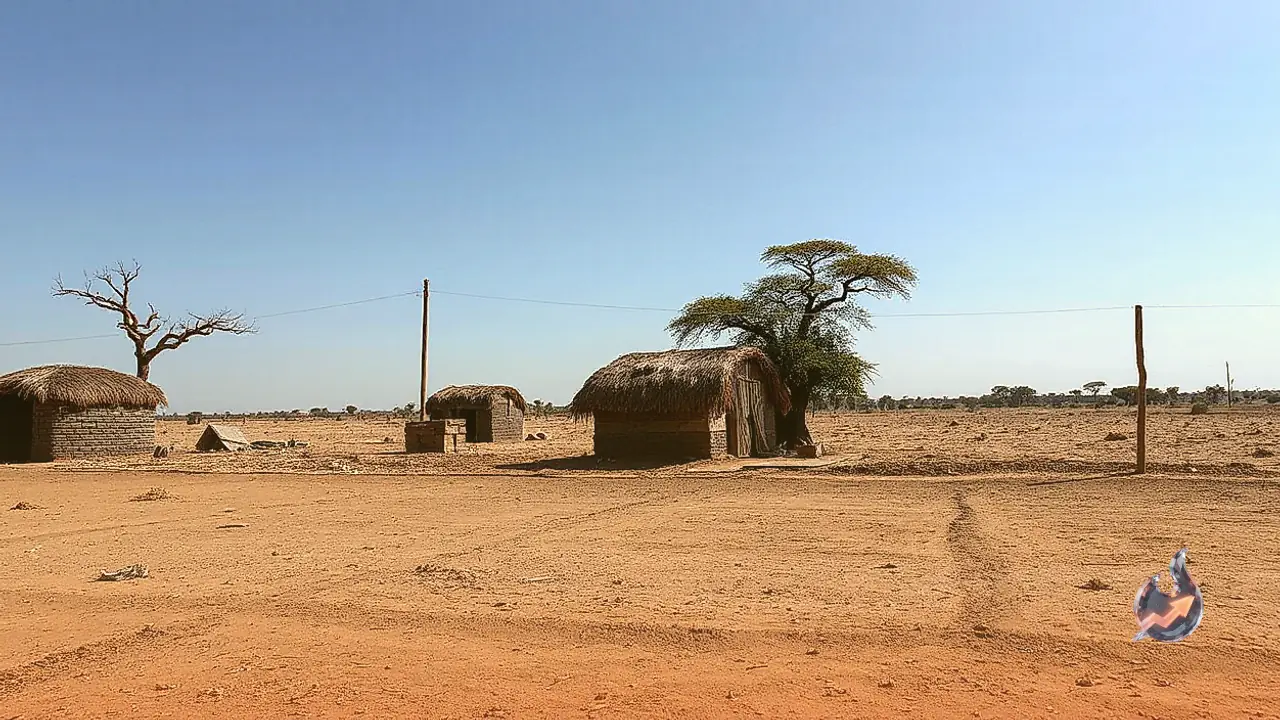

A severe water contamination crisis in South Africa has left more than five hundred people suffering from acute stomach illnesses. Health officials and local administrators have pinned the blame directly on deteriorating water quality standards. The unfolding situation has triggered intense public scrutiny and political uproar, especially after initial inquiries confirmed that authorities neglected to inform residents that the water supply was unsafe and lacked proper chemical treatment.
Tap Water Ban Issued After Hundreds Fall Ill
Authorities issued an urgent advisory instructing communities located east of the capital Pretoria to immediately stop drinking tap water. This directive came after four hundred and eighty people required medical treatment across various healthcare facilities, with young children making up a significant portion of the patients. Similar to other urban centers across the nation, maintaining reliable water sanitation in and around Pretoria has remained a persistent challenge and a deeply contentious political issue.
Emergency Water Supplies and Severe Treatment Plant Failures
To mitigate the crisis, municipal authorities deployed emergency water tankers to distribute water to residents, while the charitable organization Gift of the Givers stepped in to supply bottled water to affected neighborhoods. Health officials determined that the outbreak stemmed from a water treatment plant serving eastern Pretoria that had failed to mix chlorine into the supply for approximately three weeks, rendering it completely unsafe for human consumption. Officials admitted that the municipality had experienced difficulties securing regular chlorine shipments from its primary supplier.
Severely Polluted River Source and Official Admissions
The facility draws its raw water from the Bronkhorstspruit River, which suffers from severe pollution caused by malfunctioning wastewater treatment plants situated further upstream that discharge untreated sewage directly into the waterway. Tshwane Mayor Nasiphi Moya acknowledged during a briefing that municipal officials failed in their duty to warn residents of the affected regions that the incoming water supply lacked chlorine and should not be consumed, used for cooking even after boiling, or utilized for washing clothes and bathing.
Political Outrage and Outbreak at Rhodes University
In the wake of the crisis, various political opposition parties have demanded Mayor Nasiphi Moya's resignation and the immediate dismissal of other negligent municipal officials. Meanwhile, in a separate development announced on Wednesday, at least one hundred and eleven students at Rhodes University located in the coastal city of Gqeberha in the Eastern Cape province received medical treatment for severe gastrointestinal illnesses over the preceding days.
University authorities and water management boards launched an immediate investigation into the root cause of the campus outbreak, strongly suspecting compromised water quality as the primary trigger. University spokesperson Olwethu Gwanya stated on Wednesday that students presenting severe symptoms received hospital care and have since returned safely to the campus grounds.
Strict Hygiene Directives Issued to Students and Staff
Following the twin health scares, staff members and students were strongly urged to exercise heightened vigilance both on and off campus regarding safe water usage, food handling protocols, and personal hygiene standards. Gwanya emphasized that preventive measures must include boiling and cooling drinking water or relying exclusively on bottled water, utilizing safe water for food preparation and dental hygiene, avoiding ice and raw foods washed in untreated water, and washing hands thoroughly with soap and water on a regular basis.