


















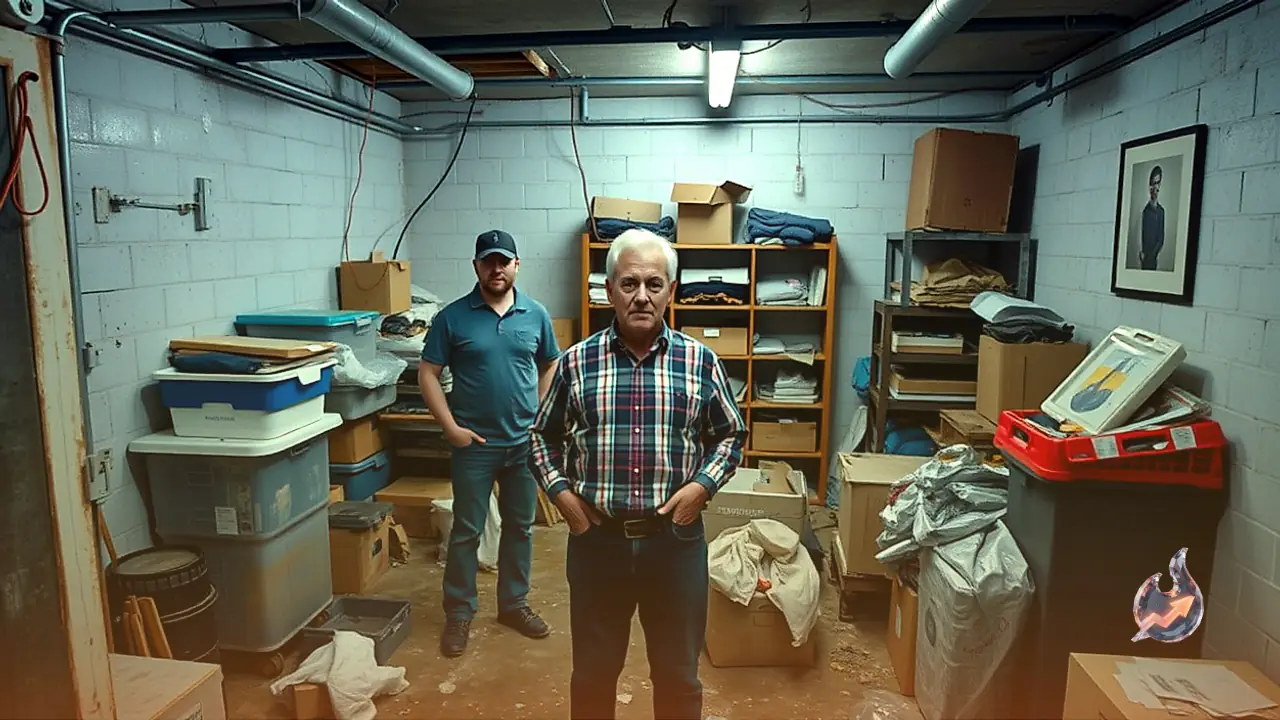

Across many homes, the basement is treated as an informal dumping ground for surplus household goods. From spare bedding and forgotten toys to bulk purchases that see little daily use, tucking items away underground seems like the easiest way to clear living spaces. Yet, treating this subterranean space as a regular storeroom often leads to severe financial and material loss, as sensitive possessions break down long before their expected lifespan.
The Trapped Humidity and Airflow Dilemma
Because basements sit below ground level, they experience drastic fluctuations in temperature. Natural air circulation is almost nonexistent in these spaces, which creates an environment where warm, stale air cannot escape and fresh outdoor air cannot enter. This ongoing lack of ventilation leads to excessive condensation and pervasive moisture buildup. High dampness creates the ideal breeding ground for stubborn mould, mildew, and various crawling pests that thrive unnoticed until the damage is already done.
Why Food Supplies Should Never Go Underground
Storing edible goods in a basement pantry is an invitation to rapid spoilage and health hazards. The absence of fresh airflow traps heat and moisture, accelerating bacterial growth and fungal colonies across packaged or loose food. Once fungus takes hold, food items turn stale and contaminated. Consuming items subjected to this kind of prolonged dampness carries a high risk of food poisoning and severe illness, rendering the stored groceries a complete waste.
Mildew Ruins Stored Fabrics and Linens
It is common practice to pack away seasonal wardrobes, extra blankets, and spare mattresses in the basement. Items that enter rotation daily remain unaffected because they encounter moving air and sunlight. However, leaving fabrics packed away in dark, damp conditions allows fungal spores to sink deep into the cloth fibers. Over time, clothes develop a persistent sour odor, permanent fungal discoloration, and weakened material, destroying fine garments beyond repair.
Wood Furniture Meets Moisture and Termites
Relegating wooden tables, chairs, and cupboards to the basement often seals their fate. Wood naturally absorbs ambient moisture from humid surroundings, which leads to warping, swelling, and structural rot. More dangerously, dark and damp conditions serve as prime territory for termites. Termite infestations spread rapidly through subterranean timbers, hollowing out valuable heirloom pieces and expensive furniture until they are structural ruins.
The Threat of Battery Degradation and Chemical Leakage
Placing extra vehicle or inverter batteries inside a basement is a major technical hazard. Sustained atmospheric moisture rapidly degrades electrical performance and corrodes connection points. Furthermore, the unchecked dampness and fluctuating thermal environment dramatically increase the likelihood of acid and electrolyte leakage. When a battery leaks, it ruins its own internal cells prematurely while spreading hazardous chemical residues across the storage floor.