




















Varanasi stands among the oldest inhabited cities on earth, and nearly every cultural tradition rooted in its soil carries an exceptional significance. Central to this heritage is the world-famous Banarasi paan, a culinary delight whose refreshing sweetness has captivated palates across generations. Popular culture embraced it widely when a legendary song picturized on Amitabh Bachchan, 'Khaike Paan Banaras Wala', became a cultural anthem. Yet, this preparation represents far more than a post-meal digestif; it serves as a cornerstone of Varanasi's warm hospitality, social fabric, and timeless etiquette.
A Heritage Originating in Royal Kitchens 500 Years Ago
For roughly 500 years, this betel leaf preparation has endured as a defining emblem of Kashi. According to historical records and culinary historians, its structured lineage dates directly back to the Mughal era. During that period, royal kitchen artisans assembled exquisite preparations by blending lime, cardamom, cloves, and various precious aromatic botanicals. Over succeeding generations, master craftsmen in Varanasi refined these ancestral methods to create an entirely distinctive tradition. Acknowledging this unparalleled cultural and regional identity, authorities awarded Banaras paan the official Geographical Indication (GI) tag in April 2023.
Sourcing Leaves from Bihar and Odisha
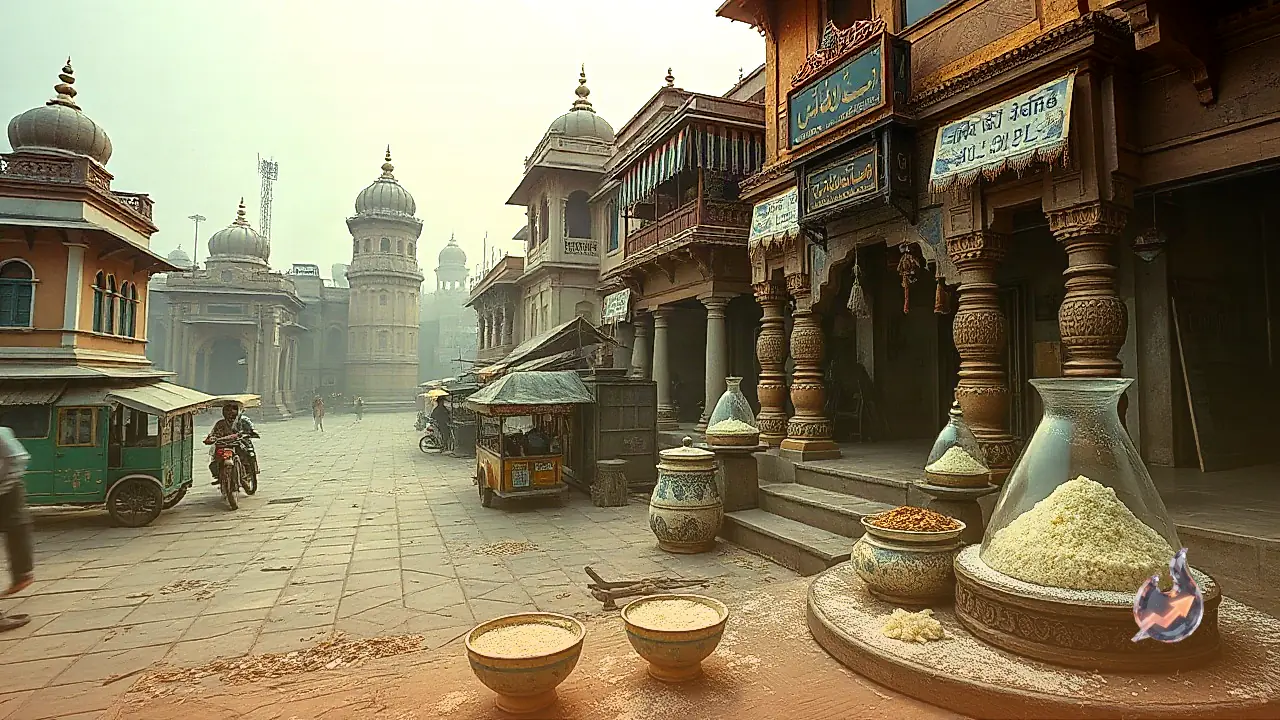
Creating an authentic preparation begins with selecting the finest raw betel leaves. Interestingly, these delicate leaves are not cultivated locally within Varanasi itself. Instead, skilled artisans rely on the celebrated Magahi leaves harvested in Bihar alongside the Jagannathi leaves imported from Odisha. The steady distribution of these prized ingredients flows through Varanasi's historic Pan Dariba market, a bustling trade hub that has anchored the region's wholesale betel commerce for centuries.
The Curing Craft and a Softer Lime Preparation
What elevates the Banarasi delicacy above ordinary preparations is an intricate curing ritual known locally as 'pakana'. Through this traditional aging and washing regimen, the raw leaf loses its harsh fibrous bite, turning remarkably tender and smooth. Furthermore, craftsmen do not use raw slaked lime directly; instead, they blend and cure the lime with milk and curd. This specific dairy treatment tempers the sharpness of the lime, yielding a velvety, mellow, and impeccably balanced flavor profile that melts effortlessly in the mouth.
From Humble Sweet Confections to Gold-Leaf Luxuries
Today, the craft caters to every palate through a diverse spectrum of variations. Patrons routinely choose from traditional sada paan, sweet meetha paan, fragrant masala paan, and robust zarda versions, alongside modern innovations like chocolate paan and ice paan. Pricing adapts to every budget, spanning from just a few rupees for everyday servings to several thousand rupees for opulent luxury varieties wrapped in genuine silver and gold foil.