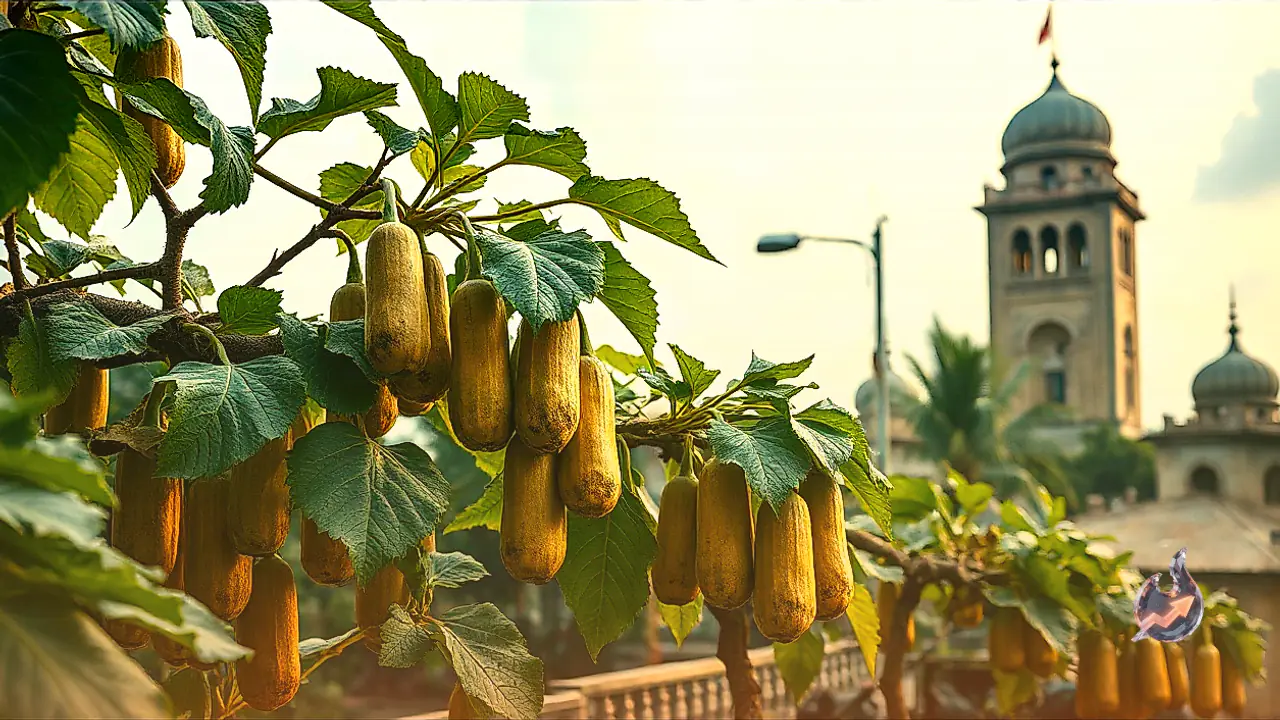


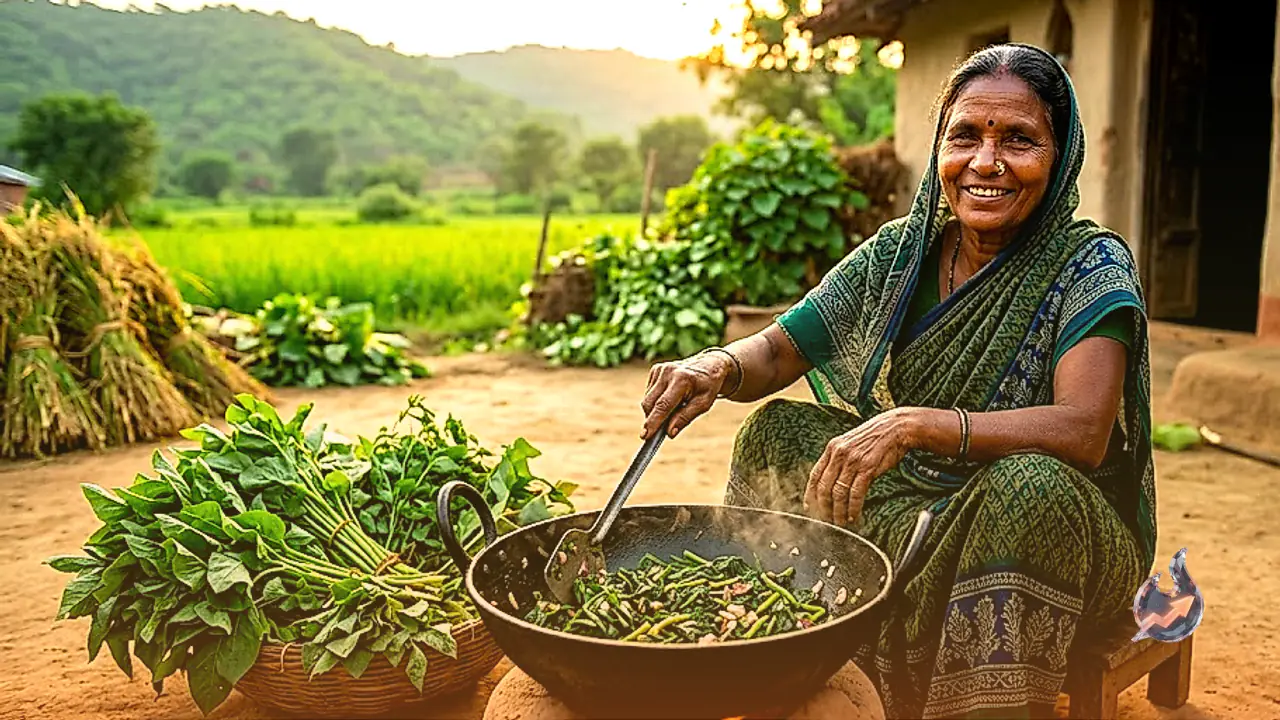



















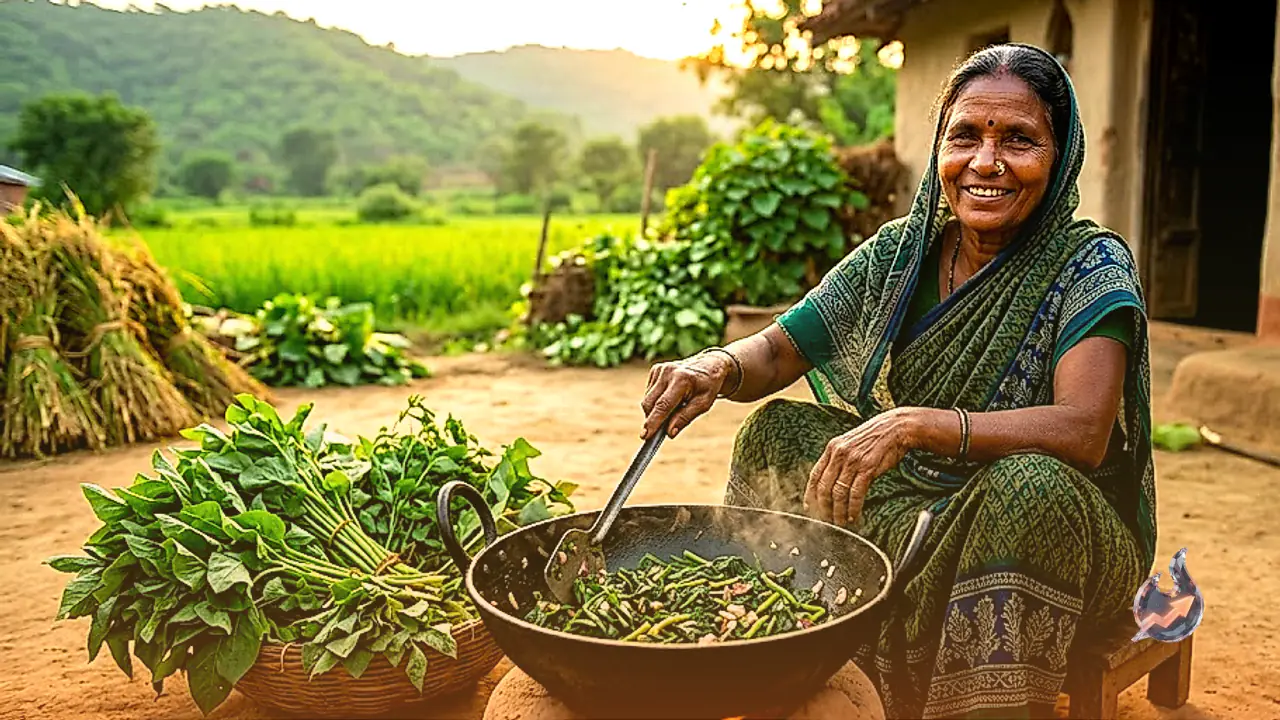

As the monsoon season draws to a close in Satna, wild greens sprouting naturally along field boundaries, empty plots, damp patches, and pathways are finding their way into rural kitchens across the Vindhya and Baghelkhand regions. Among these traditional leafy vegetables is Kanakaua, a seasonal favorite that rural households continue to relish with great enthusiasm. Notably, growing this wild vegetable requires neither tilling fields nor sowing seeds separately, as it appears in abundance through natural processes during the rains. Ever since the days of their elders, rural families have consumed these greens as a regular vegetable dish. In earlier times, when green vegetables were scarce or expensive in local markets during the rainy season, such wild greens gathered from fields and surrounding areas became an essential part of household meals. Even today, the distinct taste of Kanakaua brings back nostalgic memories of traditional rural life for residents across various parts of Baghelkhand.
Traditional Roots and Local Practices
Sharing details with local reporters, Meena Dwivedi, a resident of Satna, explained that as the rainy season approaches its end in the Vindhya region, several varieties of leafy greens sprout naturally. Greens like Chakoda, Chaulai, and Kanakaua have long been utilized in rural diets. Their use is not merely for flavor, but is considered an integral part of traditional domestic nutrition. Ever since the days of grandmothers and great-grandmothers, people have gathered these plants from nearby fields and lands, bringing them home to prepare in authentic local styles.
Proper Cleaning Before Preparation
Preparing Kanakaua curry begins with selecting fresh and clean greens. Because this plant can grow near field borders, vacant plots, moist grounds, and pathways, special care must be taken while harvesting it. Only the tender upper portions should be plucked, while thick or damaged parts are discarded. Afterward, the greens must be thoroughly sorted and washed in clean water. To completely remove soil, dust, and other impurities, the leaves should be washed three to four times in running water. Once cleaned, the greens are finely chopped and set aside for cooking.
Traditional Tempering in an Iron Skillet
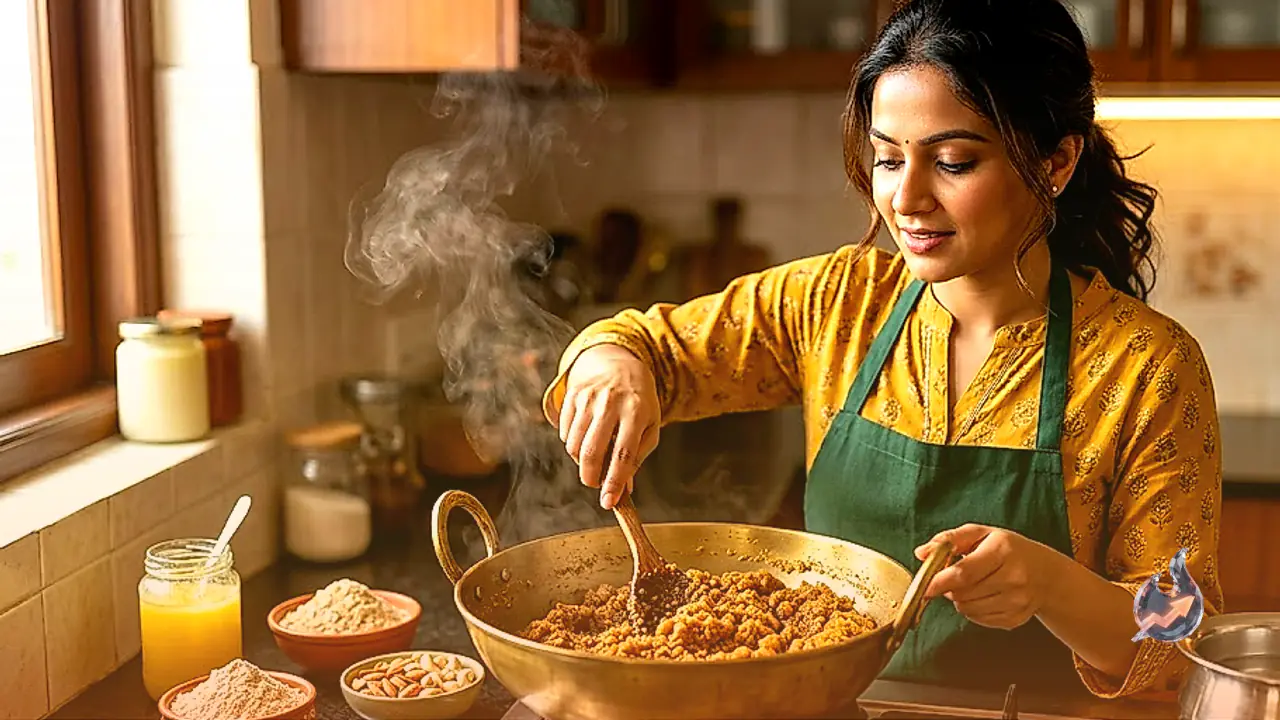
For an authentic Baghelkhandi flavor, preparing this vegetable in a traditional iron skillet is considered ideal. The skillet is first heated before adding mustard oil. Once the oil is sufficiently hot, cumin seeds, a pinch of asafoetida, a dash of fenugreek, finely minced garlic, onions, and dried red chilies are added for tempering. The onions and garlic are sautéed until they turn light golden. Care must be taken not to burn the garlic, as it can impart a bitter taste to the dish.
Finely chopped Kanakaua greens are then added to the skillet and mixed thoroughly with the tempering. Following this, turmeric powder, coriander powder, a touch of red chili, and salt to taste are added while stirring the dish well. A unique characteristic of Kanakaua greens is that they do not require any added water during cooking. The vegetables release their own natural moisture while softening. Cooking takes place within this inherent moisture and steam, which is why the skillet is covered with a lid after mixing the spices, allowing the greens to simmer over a low flame. The lid should be removed periodically to stir the mixture, ensuring it does not stick to the bottom and that the spices blend evenly.
Final Sautéing and Serving Suggestions
Once the greens are thoroughly softened and cooked, the lid is removed from the skillet. The dish is then sautéed over medium heat for about two to three minutes while stirring continuously. This final step evaporates any excess moisture, allowing the spices to bind perfectly with the leaves. This concluding process gives Kanakaua its distinctive earthy aroma and rustic flavor. The finished Kanakaua dish is dry, spiced, and deeply traditional. It can be served hot with flatbreads, while also pairing wonderfully with lentils and rice. As a natural bounty of the rainy season, this wild green remains a defining identity of Baghelkhand's traditional cuisine and rural hearths.