
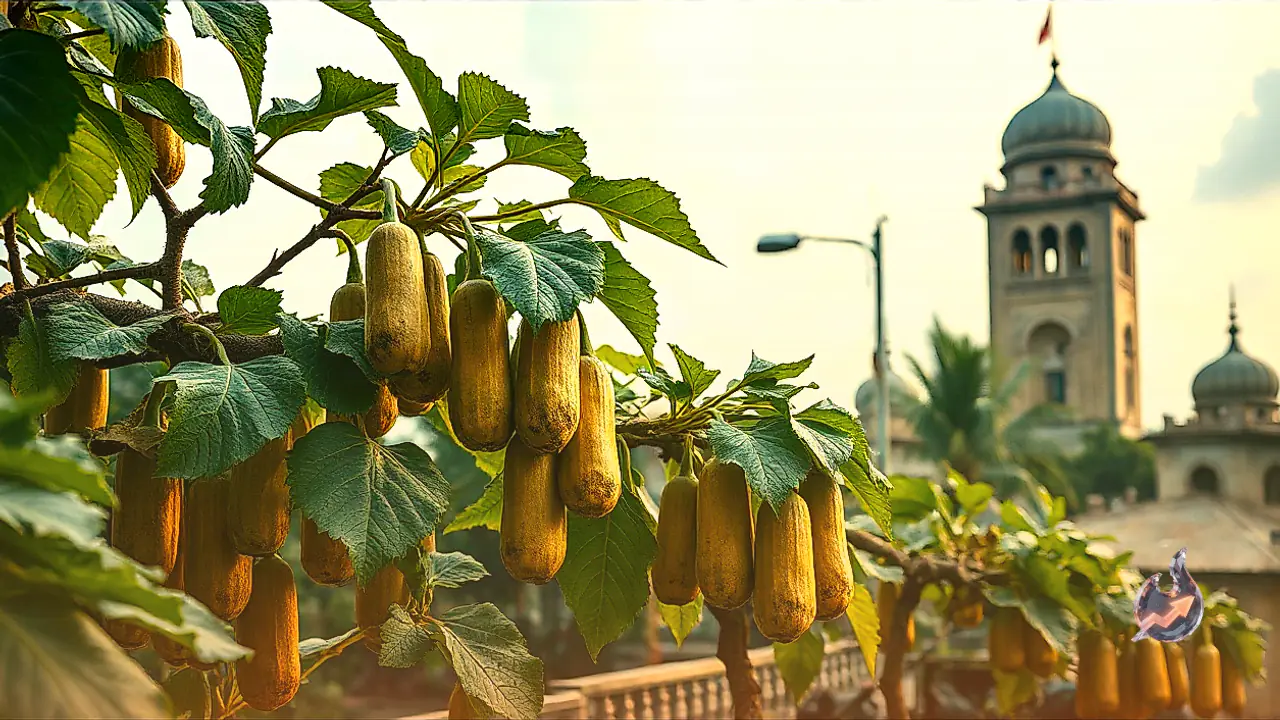






















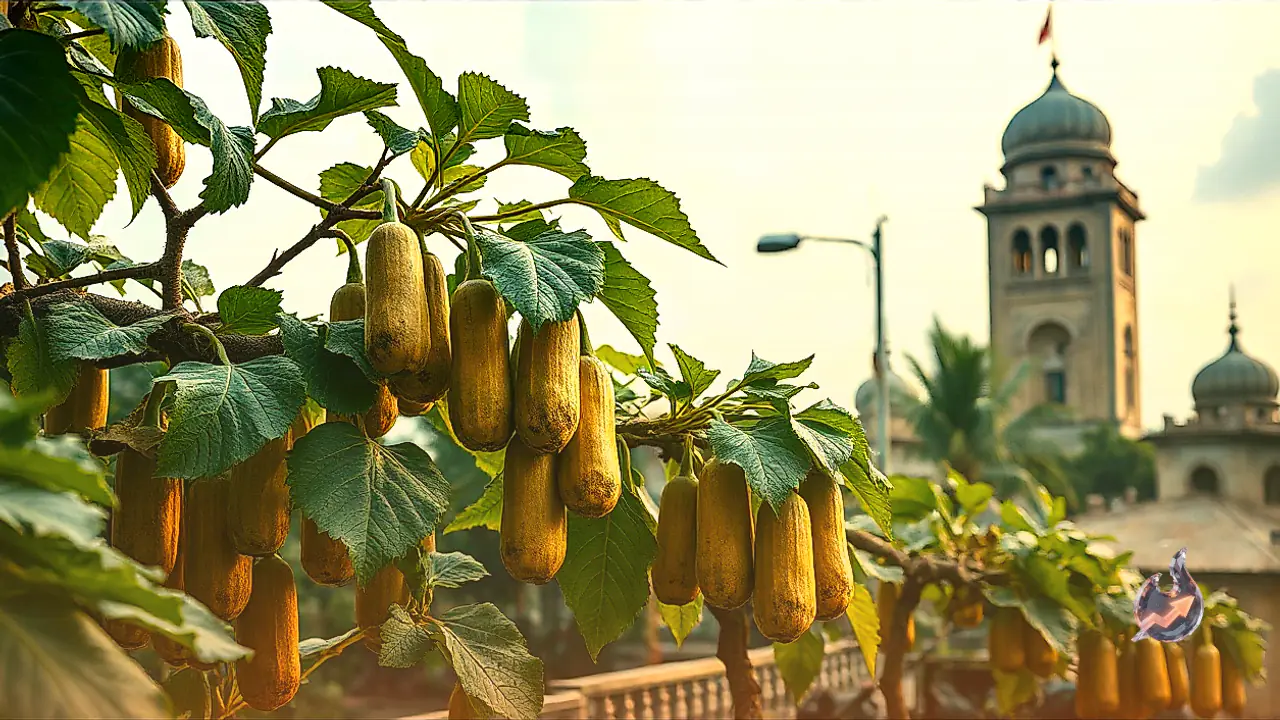

When the monsoon season arrives and greenery begins to flourish around fields and forests, several lesser-known indigenous vegetables start appearing in local markets. Kakora is one such seasonal vegetable that remains unfamiliar to many urban residents. Often referred to in rural areas as kakoda or kantola, this small fruit grows on vines and is consumed as a vegetable during the rainy months. In many households, it is prepared by cooking it alongside potatoes and various traditional spices.
Kakora holds a distinct place in traditional culinary practices, offering fiber alongside several other essential nutrients. However, medical experts emphasize that it should not be viewed as a treatment for conditions like diabetes or hair loss. Instead, it is far more appropriate to consider it as a wholesome part of a balanced daily diet that adds variety to meals.
A Unique Seasonal Vegetable Growing on Vines
During the monsoon, Kakora vines typically spread by taking support from nearby bushes and other plants. People living in rural communities forage for these vegetables during the season, bring them home, clean them thoroughly, and prepare a flavorful dish. The taste of Kakora is somewhat unique compared to other gourds. In many homes, it is cooked with onions, potatoes, and traditional spices, then served alongside freshly made flatbreads. This delicious preparation is the primary reason why demand for the vegetable surges during the rainy season in regions where it grows abundantly.
Scientifically known as Momordica dioica, Kakora is also referred to in English as the spiny gourd and belongs to the Cucurbitaceae family of pumpkin-related plants. Scientific literature and agricultural studies frequently highlight its traditional uses and nutritional potential. While a specific study investigated the effects of Kakora seed extracts on diabetes using mice, researchers caution that such experimental findings cannot be directly applied to humans. Consequently, eating Kakora as a standard seasonal vegetable and treating it as a medical cure are two entirely different concepts.
The Role of Fiber in Supporting Digestion
Kakora contains dietary fiber along with several other micronutrients. Fiber-rich foods are generally considered beneficial for maintaining a healthy digestive system. Incorporating a wide variety of vegetables into one's daily meals helps increase the intake of dietary fiber and other essential nutrients. However, simply consuming Kakora does not guarantee the cure of constipation or any other digestive ailments. A more effective approach is to make it a part of a well-rounded diet that includes lentils, whole grains, other vegetables, and adequate water intake.
Can Diabetics Include It in Their Meals?
Traditional beliefs often link Kakora with benefits related to blood sugar management. Although certain laboratory and animal studies conducted on its seeds have observed glucose-related effects, a crucial distinction must be kept in mind. Kakora and bitter gourd are entirely different vegetables. Bitter gourd, scientifically known as Momordica charantia, has been the subject of much more extensive research regarding diabetes. Even so, there is insufficient clinical evidence based on human studies to consider it an alternative to prescribed diabetes medication. Therefore, individuals managing diabetes may enjoy Kakora as a regular food dish, but they should never stop taking their medications or alter their doctors' advice because of it.
Understanding Kakora and Hair Health
Labeling Kakora as a vegetable that can single-handedly stop hair fall would be an overstatement. While the nutrients it contains can certainly form part of a nutritious diet, there is a lack of solid human evidence proving that eating Kakora alone can prevent hair loss. Hair shedding can be triggered by numerous underlying factors. If the issue persists, relying on a single vegetable is unwise, and finding the root cause through professional guidance is essential.