






















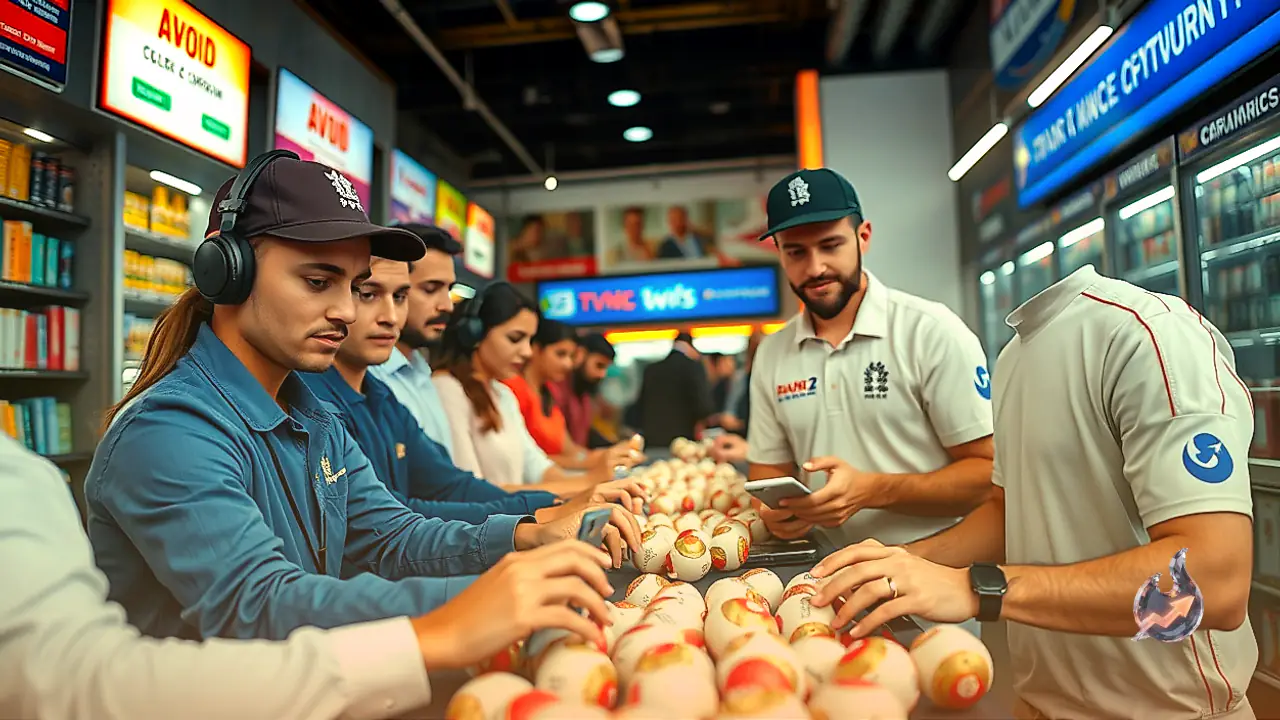

With the rapid surge in digital shopping, aspiring athletes and young cricket enthusiasts frequently turn to e-commerce marketplaces to purchase their cricket balls and sporting equipment. Online portals routinely display items at rates substantially lower than physical retail stores, attracting sports lovers seeking affordable gear. However, placing an immediate order solely after spotting a slashed price tag can quickly turn into an expensive mistake. In multiple instances, purchasing gear under the lure of unusually low prices leads customers directly to duplicate and sub-standard merchandise.
Addressing the growing prevalence of duplicate sports items online, Anuj Kumar Singhal, president of the Meerut Surajkund Sports Goods Association, highlighted essential safety measures for buyers. He explained that when buying a cricket ball or any accompanying athletic gear from digital outlets, customers must inspect specific packaging markers to protect themselves against financial fraud and counterfeit products.
Validating Official Packaging Scanners on Equipment Boxes
According to Anuj Kumar Singhal, buyers should never finalize orders merely by focusing on reduced price tags. When purchasing a cricket ball in particular, verifying whether the product box features an authentic scanner is critical. If scanning the code directs the customer directly to the official primary website of the manufacturing company, it provides clear assistance in confirming the ball's authenticity. Conversely, if scanning opens up an unrecognized or third-party web address, customers need to exercise extreme caution regarding product legitimacy. Established manufacturing brands deliberately equip packaging with verified scanners so customers can review detailed gear specifications without ambiguity.
Examining Holograms and Identifying Suspiciously Deep Discounts
Reputable sports manufacturers also place tamper-evident holograms on their equipment boxes, serving as an indispensable marker of brand authenticity. Anuj Kumar Singhal emphasized that customers must never disregard the presence of a hologram when buying gear. Furthermore, an unrealistic gap between market prices and online listings serves as a major red flag. If a standard premium item retails for 10 thousand rupees in the physical market but appears on a website for just 1 or 2 thousand rupees, buyers must pause and inspect the offering carefully. An enormous price disparity of this scale strongly suggests a duplicate piece that requires rigorous verification before payment.
Prioritizing Equipment Quality Over Cheap Online Listings
Young athletes visiting the sports wholesale market in Meerut noted from their own experiences that purchasing discounted balls online led to severe disappointment during active use. The structural durability, leather standard, seam quality, and bounce of the discounted items showed massive discrepancies when compared to genuine sporting goods. Relying merely on cheap pricing when acquiring athletic gear undermines both training standards and long-term value. Customers must thoroughly examine brand credentials, product specifications, digital scanners, anti-counterfeiting holograms, and realistic retail pricing before confirming an online purchase, ensuring they stay shielded from duplicate equipment and online retail fraud.