























The arrival of the monsoon season inspires many gardening enthusiasts to set up and expand their home gardens. While the rainy season generally promotes plant growth and lush greenery, it also brings significant challenges for garden care. Continuous rainfall and lingering atmospheric humidity create an ideal environment for termites, fungal infections, and various soil pests to thrive. Without timely intervention, healthy plants can quickly wither and die. Fortunately, simple ingredients readily available in kitchen pantries can help safeguard garden plants against these rainy season hazards.
Pest Hazards and Fungal Threats During the Rainy Season
Excessive moisture and stagnant water in pots represent the primary threats to plants during the monsoon. When rainwater accumulates without draining properly, oxygen supply to the root system gets cut off, initiating root rot. Weakened roots attract termites and tiny soil insects, which feed on the subterranean plant structure and cause the entire plant to dry out rapidly. Furthermore, high humidity fosters fungal growth across leaves and stems, leading to premature leaf shedding and overall plant degradation.
Protecting Plants with Asafoetida and Salt Solutions
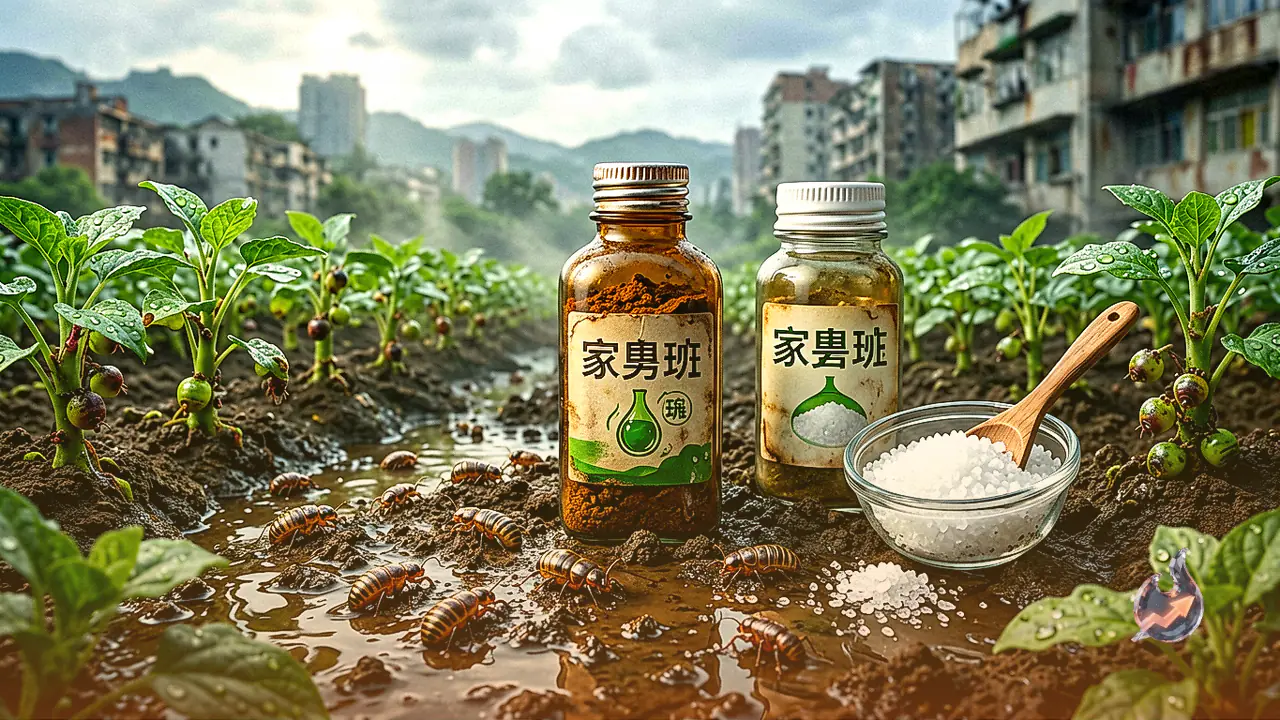
Everyday kitchen staples like asafoetida (hing) and salt offer effective natural protection against insect invasions. When pest activity is detected near the base of a plant, a diluted solution of asafoetida dissolved in water can be lightly sprayed around the soil. The strong aroma and properties of asafoetida act as a natural repellent against termites and soil pests. Additionally, salt water is sometimes used as a household remedy. However, experts caution that excessive salt application can alter soil composition and harm plant health. Salt solutions should never be poured directly onto roots or foliage, and must only be applied with extreme care in minimal quantities.
Insights from Nursery Expert Vipin Pal
Nursery expert Vipin Pal emphasizes that regular observation is essential for plant survival throughout the rainy months. He advises home gardeners to strictly prevent waterlogging around pots and flower beds. Soil mixtures in containers must feature proper drainage outlets to allow surplus water to escape freely. Vipin Pal further recommends testing any homemade treatment on a small scale first. If a plant displays adverse reactions to a solution, its application should be discontinued immediately.
Essential Monsoon Plant Maintenance Practices
Sustaining a vibrant garden during the monsoon requires consistent upkeep alongside natural remedies. Gardeners should periodically loosen the upper layer of pot soil to ensure proper aeration for the roots. Removing dead, dry, or decaying leaves promptly prevents the spread of fungal spores across adjacent healthy foliage. Positioning potted plants in well-ventilated locations with adequate sunlight exposure is equally crucial. Implementing these straightforward practices ensures home gardens remain thriving and healthy throughout the monsoon.