





















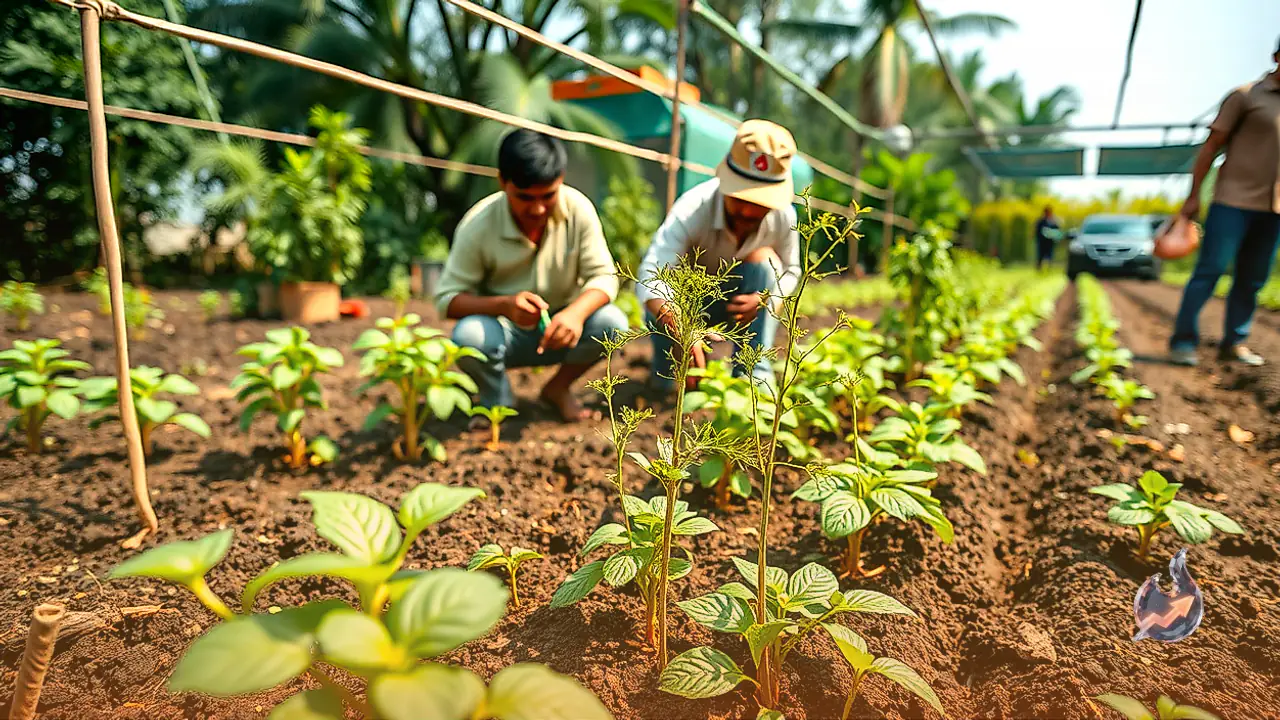

Watching vibrant home vegetation wither away can be frustrating for plant enthusiasts. In many cases, everyday care mistakes rather than natural diseases lead to the decline of container plants. Nursery operator Nek Singh explains that understanding the fundamental requirements of individual flora and refining regular maintenance routines can keep any domestic garden thriving year-round.
Balancing Soil Moisture and Drainage
Proper hydration is among the most sensitive factors in container gardening. Varied botanical species demand widely differing volumes of water. Supplying excess liquid to low-moisture varieties saturates the surrounding soil and suffocates roots. Overwatering regularly results in fatal root rot. To prevent waterlogging, drainage apertures at the base of pots must remain unobstructed so surplus fluid exits freely. Checking whether the upper soil layer has dried before adding fresh water remains the safest guideline.
Sunlight Exposure and Organic Pest Defense
Adequate sunlight remains vital for plant photosynthesis, yet the exact intensity must match the specific variety. Direct outdoor exposure suits certain flowering varieties, while delicate foliage prefers indirect or filtered illumination. Alongside sunlight management, shielding plants from insect infestations is crucial. Utilizing neem cake within the potting blend and spraying extracted neem juice across leaves deters parasitic pests effectively without harming helpful soil microbes.
Prioritizing Organic Nutrition Over Synthetic Inputs
Maintaining long-term soil vitality requires careful fertilizer choices. Heavy reliance on synthetic chemicals such as DAP and urea can deteriorate the micro-ecosystem inside restricted containers. Singh recommends minimizing chemical interventions and relying on organic compost instead. Organic nutrients deliver sustained nourishment to root systems, fostering steady foliage development and strengthening natural defenses against environmental stress.
Benefits of Cocopeat and Routine Pruning
Integrating cocopeat into potting mixtures offers remarkable benefits for potted plants. Cocopeat retains ideal moisture levels without packing down, creating a light, aerated structure where tender roots expand effortlessly. Regular pruning is equally essential for sustained health. Whenever foliage or branches dry out, cutting them off with clean garden shears redirects the plant's metabolic energy toward producing fresh green shoots.