














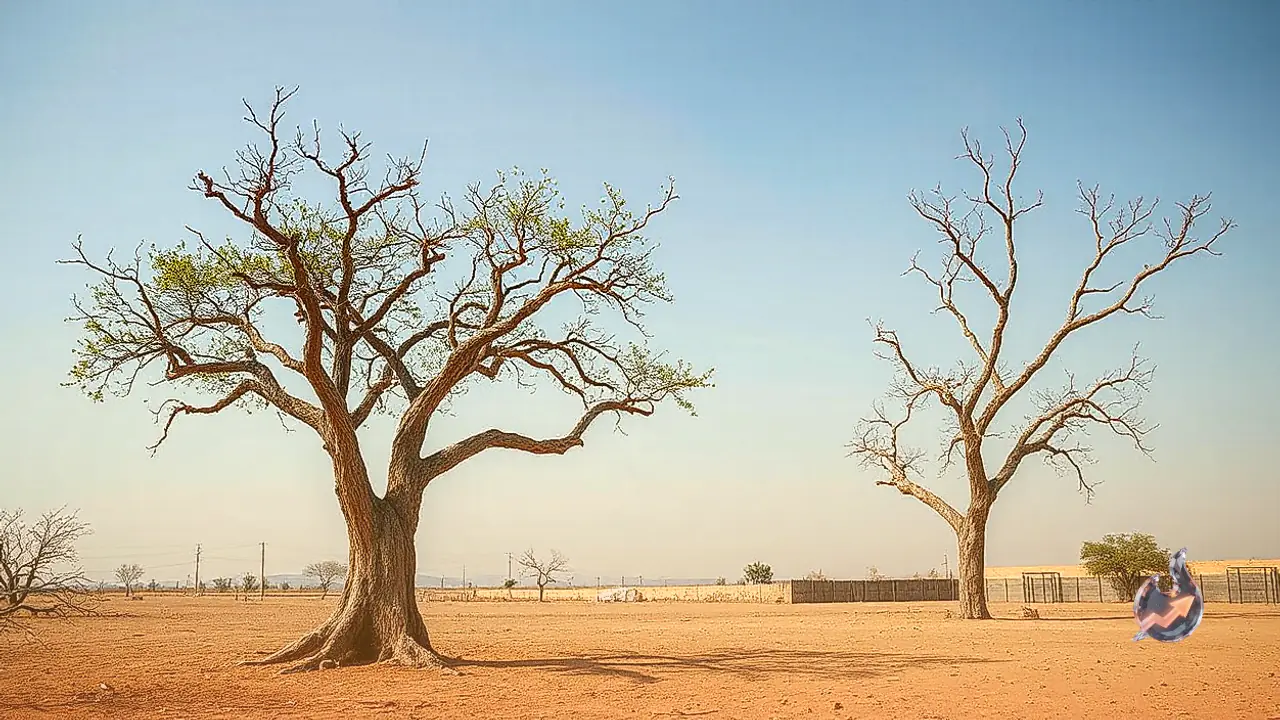

Sustaining lush urban greenery during intense summer conditions has become an increasingly demanding challenge for gardeners. In Hyderabad, where soaring temperatures routinely dry out conventional flora, plant enthusiasts and environmentalists have turned their attention toward an unusual specimen that remains remarkably vibrant through extreme heat. Originally adapted to arid regions with minimal rainfall, this tree aligns seamlessly with harsh local weather patterns.
Why Hot Urban Climates Suit This Unique Species
The warm and dry climate of Hyderabad offers an ideal environment for this tree to thrive across changing seasons. During the scorching months of April and May, when intense heatwaves cause widespread damage to foliage, this plant withstands direct sun exposure without suffering leaf burn. Because of its rapid adaptation to tough meteorological conditions, it has emerged as a top pick for both urban public green spaces and private residential landscapes.
Natural Water Reservoirs Built Inside the Trunk
The standout physical trait of this tree lies in its unusually thick trunk, which serves as a natural storage tank for moisture. Once the root system is firmly established in the ground, its need for regular watering drops dramatically. Throughout prolonged periods of drought, the tree sustains itself entirely on the water safely stored inside its bark. Amid falling water tables in urban centres, choosing such vegetation ensures substantial conservation of municipal water.
Soil Mix and Drainage Essentials During Planting
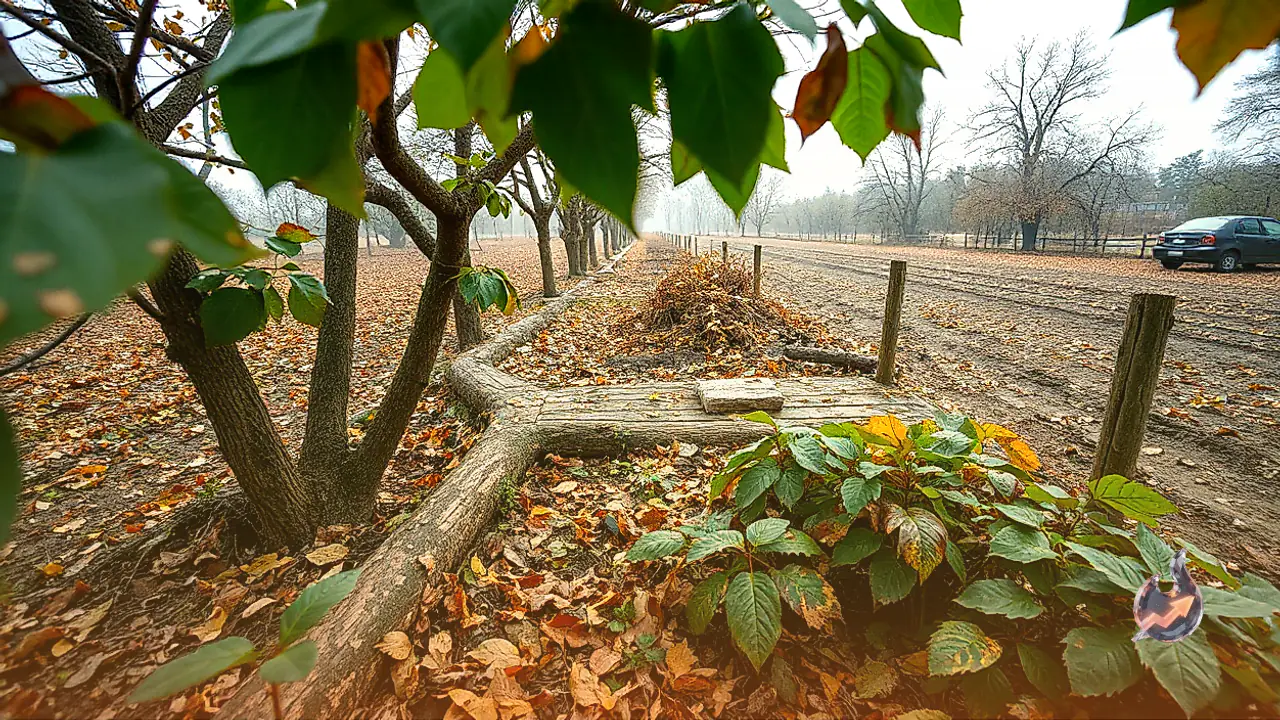
Successful planting hinges almost entirely on proper soil drainage. Placing this tree in dense clay soil or in low-lying waterlogged patches creates a severe hazard, often resulting in root rot or trunk decay. Soil experts recommend blending sand, gravel, and rich compost into the native soil so that any excess moisture flows freely away from the sensitive underground root network.
Sunlight Requirements and Spacing Precautions
This variety requires open outdoor environments to develop properly, requiring at least 6 to 8 hours of uninterrupted sunlight every day. Gardeners must also account for future physical growth when choosing a planting spot. A fully mature specimen can develop a massive trunk spanning between 1.5 and 2 metres across, making it essential to keep it well clear of residential structural walls, perimeter fences, and subterranean plumbing lines.
Monsoon Protection and Options for Container Gardening
While this tree tolerates severe dryness effortlessly, heavy rainfall can pose a serious threat to its survival. Stagnant rainwater must never be permitted to collect around the base of the trunk during the monsoon season. An effective method to avert standing water is mounding the surrounding earth slightly above ground level before rains arrive.
During its initial 5 to 8 years of life, the tree grows upward in a conventional straight shape before its lower base gradually swells into its signature bottle contour. For individuals without ample garden beds, the plant adapts exceptionally well to large terrace containers or can be sculpted into an artistic bonsai display on balconies.