




















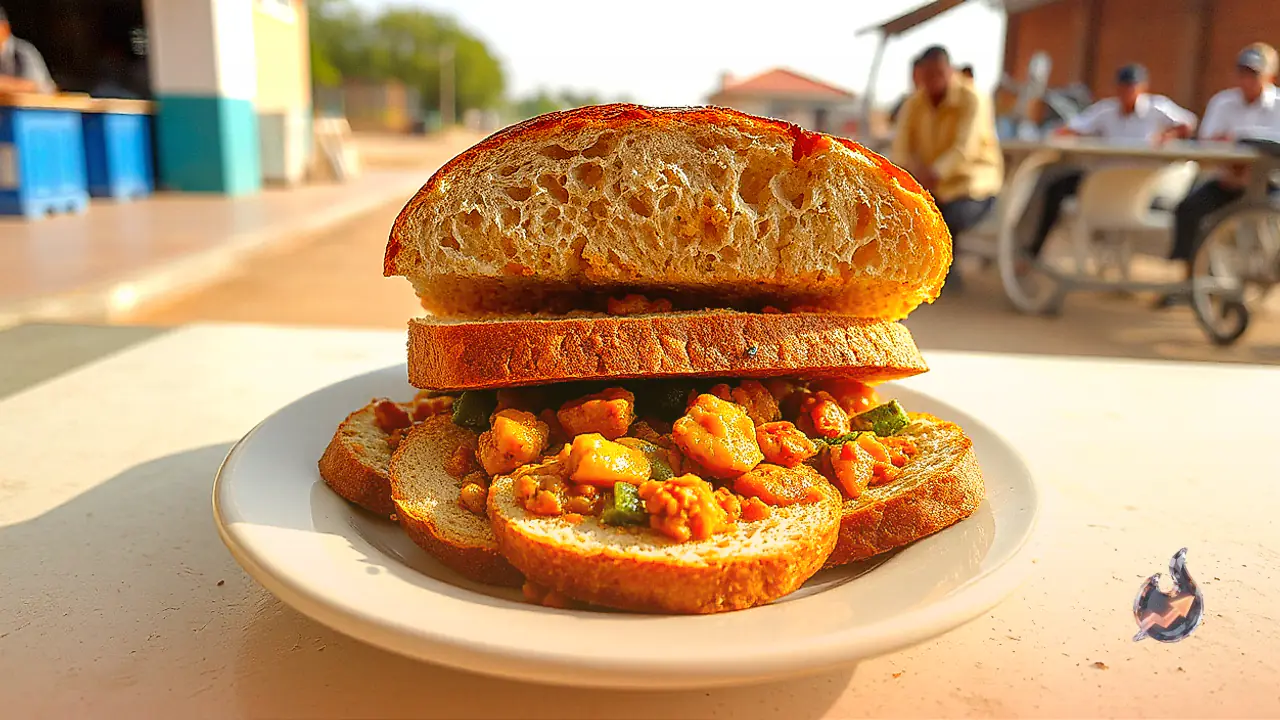

Standard sliced bread is a morning staple in countless households, typically served as buttered toast or plain vegetable sandwiches. However, sticking to the same routine day after day can quickly become uninspiring. Coating simple bread slices with a seasoned puree of soaked yellow lentils and crunchy diced vegetables provides a vibrant alternative that completely elevates morning meals. When toasted over medium heat with a little clarified butter, the outer coating forms a golden, brittle shell while the bread inside remains delightfully tender. Best of all, preparing this wholesome dish requires no exotic ingredients or complicated kitchen techniques, relying purely on everyday pantry essentials.
Gathering the Ingredients
To assemble four generous portions of this savory breakfast, start with one cup of dried yellow moong lentils that have been thoroughly soaked in water. For the vegetable crunch, prepare half a finely chopped onion, one-quarter cup of grated carrots, and an equal measure of finely diced or shredded green bell pepper. Aromatics for blending include a one-inch piece of fresh peeled ginger and two whole green chilies. The seasoning palette relies on half a teaspoon of red chili powder, half a teaspoon of ground coriander seeds, one-quarter teaspoon of turmeric powder, and table salt adjusted to preference. Finish the prep with a tablespoon of freshly chopped coriander leaves, a pinch of aromatic asafoetida, and roughly one tablespoon of ghee to grease the cooking surface.
Processing the Lentils Into a Thick Puree
Once the lentils have soaked long enough to yield easily when pressed between two fingers, drain away all soaking liquid through a fine colander. Transfer the softened pulses into a blender jar along with the peeled ginger and raw green chilies. Process these ingredients into a thick, uniform paste, adding water only in tiny increments if the blades seize up. It is vital to maintain a dense consistency that easily clings to the bread without running off. Pouring too much water will cause the liquid mixture to seep deep into the porous bread crumb, making the slice soggy and nearly impossible to flip without tearing on a hot pan.
Incorporating Veggies and Ground Spices
Scoop the smooth ground lentil mixture into a mixing bowl and incorporate the shredded carrots, chopped onions, minced bell pepper, and fresh cilantro. Sprinkle in the asafoetida, turmeric, coriander powder, red chili powder, and salt. Use a spoon to beat the batter thoroughly, ensuring the seasonings and vegetable shreds distribute evenly throughout the paste. Avoid cutting the vegetables into large or chunky pieces, as oversized bits will prevent the batter from sticking smoothly across the flat bread surface. If cooking specifically for toddlers or young school children, reduce the quantity of both green chilies and chili powder to create a mild flavor profile.
Spreading an Even Layer on Bread
Lay a slice of bread flat on a clean cutting board and use the back of a spoon to spread a uniform portion of the vegetable-studded batter over one side. Push the mixture gently toward all edges, but take care not to pile it too thick. An excessively heavy coating runs the risk of staying damp and raw in the center even after the outside browns. Conversely, applying a translucent or patchy layer will deprive the toast of its rich, savory texture. Once one side is smoothly coated, immediately move the slice to the hot pan; letting an uncooked coated slice sit idle on the counter will allow moisture to soak through the bread structure.
Searing the First Side on the Pan
Set a heavy griddle or flat non-stick skillet over medium-low heat and grease the surface with a modest brush of ghee. Carefully set the bread down with its coated side resting directly against the warm metal. Maintaining gentle heat is essential here, allowing sufficient time for the raw legume layer to cook completely through to its center. While the bottom surface begins to set, take a spoonful of remaining batter and carefully coat the exposed dry top side of the bread. Resist the urge to slide, prod, or lift the bread prematurely. Once the bottom layer firms up into a solid, light golden crust, slide a wide spatula underneath and turn it over smoothly.
Achieving an Even, Crunchy Finish
After flipping the bread, trickle a few drops of ghee around the perimeter so the newly inverted lentil batter can sizzle and brown. Apply gentle, even pressure with the spatula over the top to guarantee full surface contact with the hot griddle. Both faces of the bread should develop a firm, toasted skin marked by golden-brown spots, signaling that the raw batter has cooked through. If the exterior darkens too quickly while remaining moist beneath, lower the flame immediately. Take care not to judge doneness purely by surface color; confirm that no wet paste remains before transferring the slice. Repeat these identical steps with the remaining slices.
Portioning and Serving Suggestions
Remove the finished toast to a chopping block and slice it diagonally into triangles or bite-sized squares using a sharp chef's knife. Serve right away alongside tangy mint-coriander chutney or sweet tomato relish while the crust retains its crispest texture. If packing these savory bites into lunch containers for work or school, let them rest on an elevated wire cooling rack for several minutes first so ambient steam escapes. Trapping hot steam inside a sealed metal or plastic container will generate condensation, quickly softening the crunchy shell into a damp sponge. For optimal crispness and flavor, cook only as many slices as will be eaten immediately.