























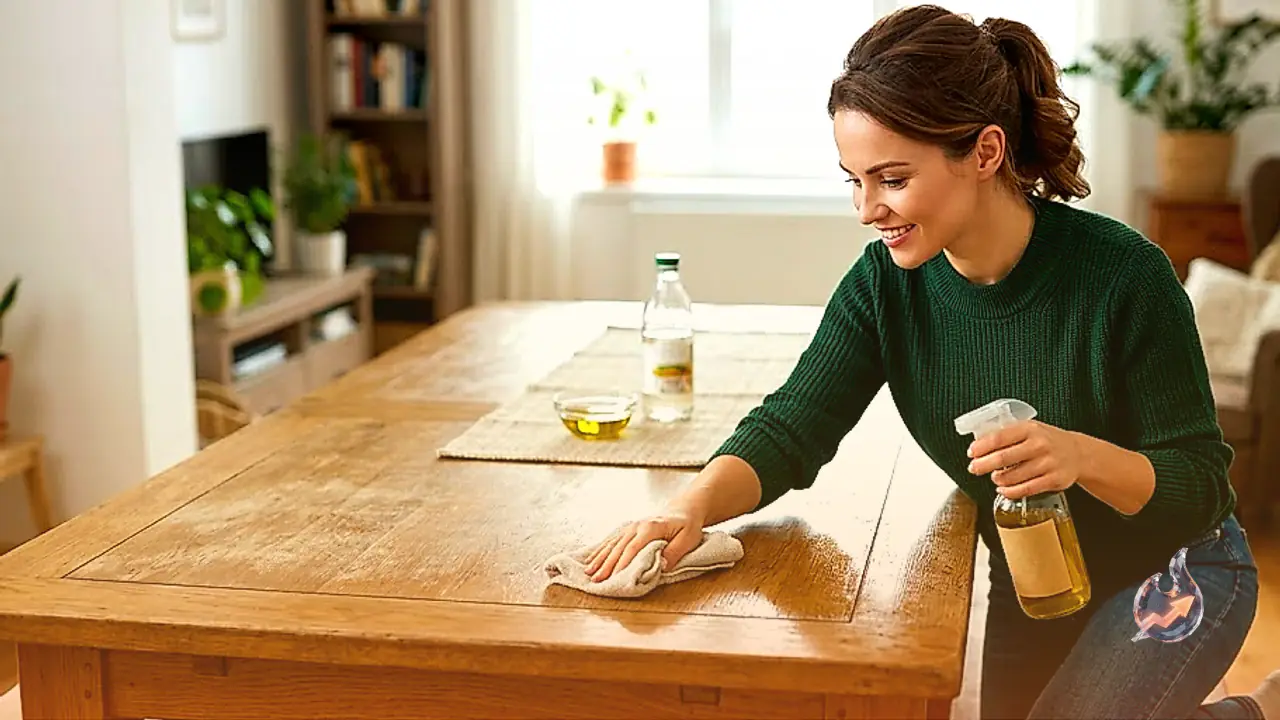

Solid wood essentials such as dining sets, wardrobes, living room couches, and interior doors naturally undergo wear and tear after extended daily use. Over time, surfaces that once looked rich and glossy turn dull, faded, and worn out. When furniture loses its original finish, homeowners frequently assume that hiring a professional carpenter for a full sanding and repolishing job is the only solution. However, professional restoration demands significant labor expenses and takes days to finish. In reality, regular upkeep combined with simple household ingredients can effectively refresh dull surfaces at a fraction of the price.
The Underlying Culprits Behind Faded Timber
Shifting weather conditions, seasonal dampness, and airborne particulate matter are the primary factors degrading wooden furniture. Humid air allows moisture to settle across polished surfaces, creating a slightly tacky base where everyday dust quickly clings. When neglected, these fine particles build up into a greasy, dark film. Even premium quality timber and high-end artisanal pieces eventually end up looking weathered and neglected under the weight of accumulated surface grime.
Consistent Care is Key to Lasting Gloss
According to Shivcharan, a carpenter working in Azamgarh, the true secret to preserving wooden items in near-new condition lies in disciplined cleaning routines. Shivcharan explains that allowing grime to sit undisturbed on furniture causes lasting damage to the protective topcoat. Routine cleaning prevents stubborn layers from cementing onto the wood grain, which in turn helps retain the original sheen for years without requiring aggressive refinishing.
A Natural Cleaner Made of Olive Oil and White Vinegar
To breathe life back into faded doors and woodwork, you can quickly prepare a proven surface cleaner using pantry staples. The preparation relies entirely on blending pure olive oil with standard white vinegar in an exact ratio
- Pour two tablespoons of olive oil into a clean, small bowl.
- Add one tablespoon of white vinegar to the oil.
- Stir the liquid thoroughly until the oil and acid form a well-integrated solution.
Each ingredient serves a specific mechanical purpose in this DIY treatment. White vinegar acts as an effective, mild cleansing agent capable of cutting through grime, residual finger grease, and stubborn surface dirt. Olive oil complements this by hydrating the timber grain and buffing out minor dryness, leaving behind a smooth, natural glow.
Application Technique and Vital Precautions
Applying this home remedy requires gentle handling and proper tools. Begin by dipping a soft, clean cotton rag lightly into the bowl so that it is barely damp rather than soaked. Gently massage the solution over the timber using light, even strokes along the grain.
Immediately following application, take a separate dry cotton cloth and buff the surface thoroughly to lift away excess liquid and loosened residue. Wiping it dry right away ensures that no oily residue remains to trap fresh airborne dust. Finally, exercise sound judgment: before applying any homemade concoction across an entire tabletop or cabinet front, always perform a small patch test on a hidden corner to verify that the finish reacts safely.