























Rushing through the vegetable market and picking produce based solely on glossy color or large size is a common habit among shoppers. However, attractive visual appearance does not guarantee freshness on the inside. Many vegetables that look fine on a vendor stall turn out overripe, tough, woody, or stale when sliced open in the kitchen. Selecting good vegetables requires a discerning eye and a few simple physical checks. Learning how to judge skin tension, stem condition, texture, and density makes it straightforward to bring home truly fresh produce.
Inspecting Stems and Skin on Eggplants
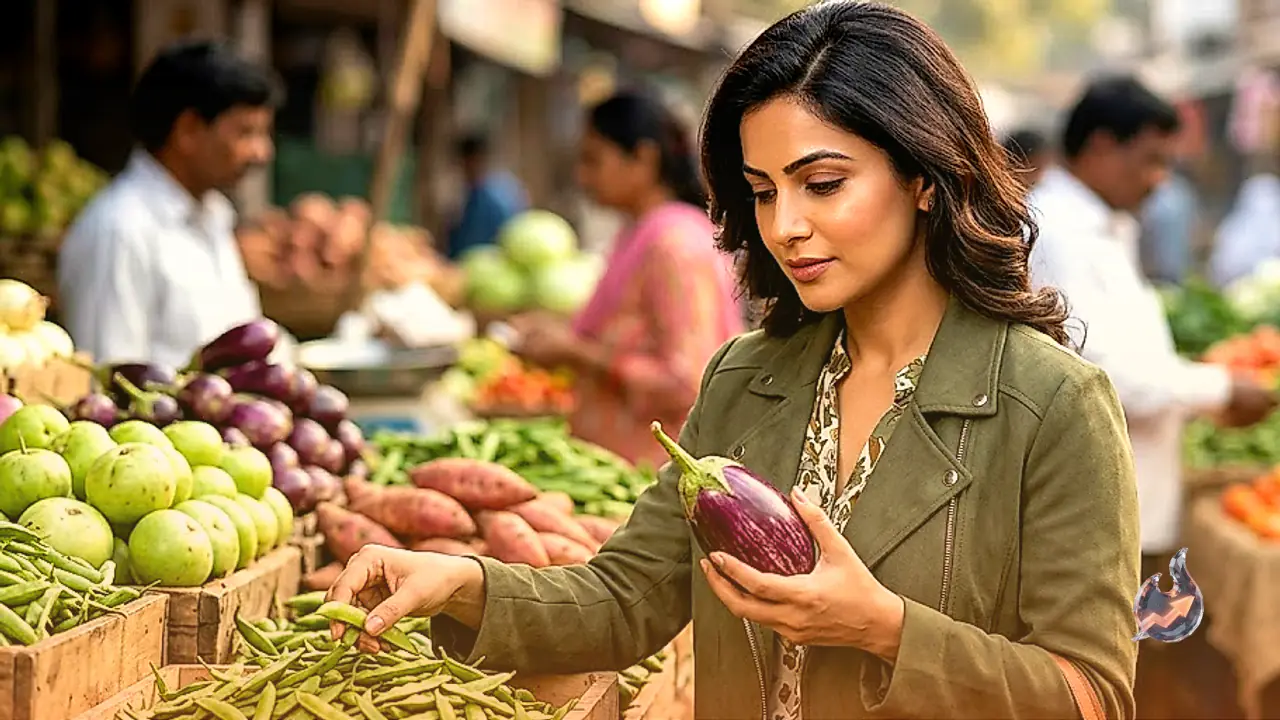
When selecting eggplants, size alone should never be the deciding factor. The first detail to inspect is the calyx or stem attached to the top of the fruit. A truly fresh eggplant features a bright green, hydrated stem that looks recently harvested. If the stem appears dry, brown, or shriveled, the vegetable has likely spent several days off the plant. The outer skin should also remain smooth, glossy, and tightly stretched over the surface.
Gently handling the eggplant reveals much about its internal condition. A fresh eggplant feels solid and relatively firm when held. If it feels excessively spongy, or if pressing it leaves an indentation that does not spring back, the fruit is either overripe or beginning to deteriorate internally. Minor bends or irregular shapes do not affect the internal quality, but any sign of wrinkled, loose, or dull skin clearly indicates an aged vegetable that should be avoided.
Spotting Tender Cluster Beans and Avoiding Coarse Pods
In the case of cluster beans, thick and rigid pods often deceive buyers into thinking they are getting hearty vegetables. In reality, the best cluster beans are small, slender, and tender. Tender pods cook quickly, absorb flavors well, and yield a soft texture that is pleasant to eat.
Examine the profile of the pod to see whether the seeds are bulging prominently. When the pods are thick with noticeable seed outlines inside, the vegetable has matured too far. Overripe, hard cluster beans develop coarse fibers during cooking, resulting in a stringy dish that is tough to chew. Always choose tender, green pods where seeds remain tiny and barely raised.
Selecting the Right Size and Texture in Round Gourds
Shoppers often gravitate toward exceptionally large round gourds, but bigger is rarely better with this vegetable. Oversized gourds tend to be overly mature, carrying hard seeds and dry pulp inside. Choosing small to medium-sized gourds ensures a succulent, tender interior that cooks evenly.
Check the exterior of the gourd for firmness without excessive rigidity or wrinkling. Very young produce may feature fine surface hairs, though surface fuzz by itself does not guarantee high quality. Steer clear of gourds that have turned yellowish, feel rock hard, or exhibit sunken, withered patches. A uniform green tone, moderate firmness, and a balanced size mark a fresh round gourd ready for cooking.
Assessing Sweet Potatoes by Firmness Rather Than Color
A frequent misconception regarding sweet potatoes is that deep red or intense coloring corresponds directly to higher sweetness. In truth, the sweetness and culinary qualities of a sweet potato depend primarily on its botanical variety and maturity, not simply the hue of its skin. Because different cultivars produce distinct shades, color alone cannot determine whether the root will be sweet or bland.
Pick up the sweet potato to evaluate its weight and firmness. A sound sweet potato must feel dense, solid, and completely firm throughout. Its peel should be clean, intact, and free from deep gashes. Avoid roots that feel spongy, show deep cracks, display soft spots, or carry patches of mold. Damaged surfaces often conceal decay that extends deep into the flesh.
Identifying Surface Blemishes, Spoilage and Leaf Quality
Never ignore visible flaws such as soft decay spots, deep cuts, unusual discoloration, or mold when sorting produce. Buyers sometimes assume they can trim away a bruised or moldy section and use the remainder. However, rot and fungal contamination often degrade texture and safety throughout the entire vegetable. It is far safer to pick undamaged specimens right at the market.
Freshness in leafy greens is revealed by their crisp, upright foliage. Fresh greens display vibrant leaves that stand firm, while stale stock exhibits drooping, wilted, or slimy foliage. Furthermore, if any vegetable gives off a foul odor or feels unnaturally sticky to the touch, leave it behind immediately, as these are clear indicators of microbial activity and advanced spoilage.
Smart Buying Quantities and Proper Storage Practices
Managing the volume of your purchase is another vital part of vegetable shopping. Buying perishable vegetables in excessive quantities often leads to waste before they can be prepared. Purchase delicate produce only in amounts that will be consumed within a few days, and lean toward seasonal varieties that are harvested locally and remain naturally fresher.
Do not allow newly bought vegetables to sit under scorching heat or intense sun during transit. Once home, avoid leaving them sealed in non-breathable plastic bags. Wipe away any excess surface moisture before placing them in ventilated containers or the refrigerator. Storing produce dry and well-aerated ensures it remains fresh, crisp, and safe to eat for an extended period.