

















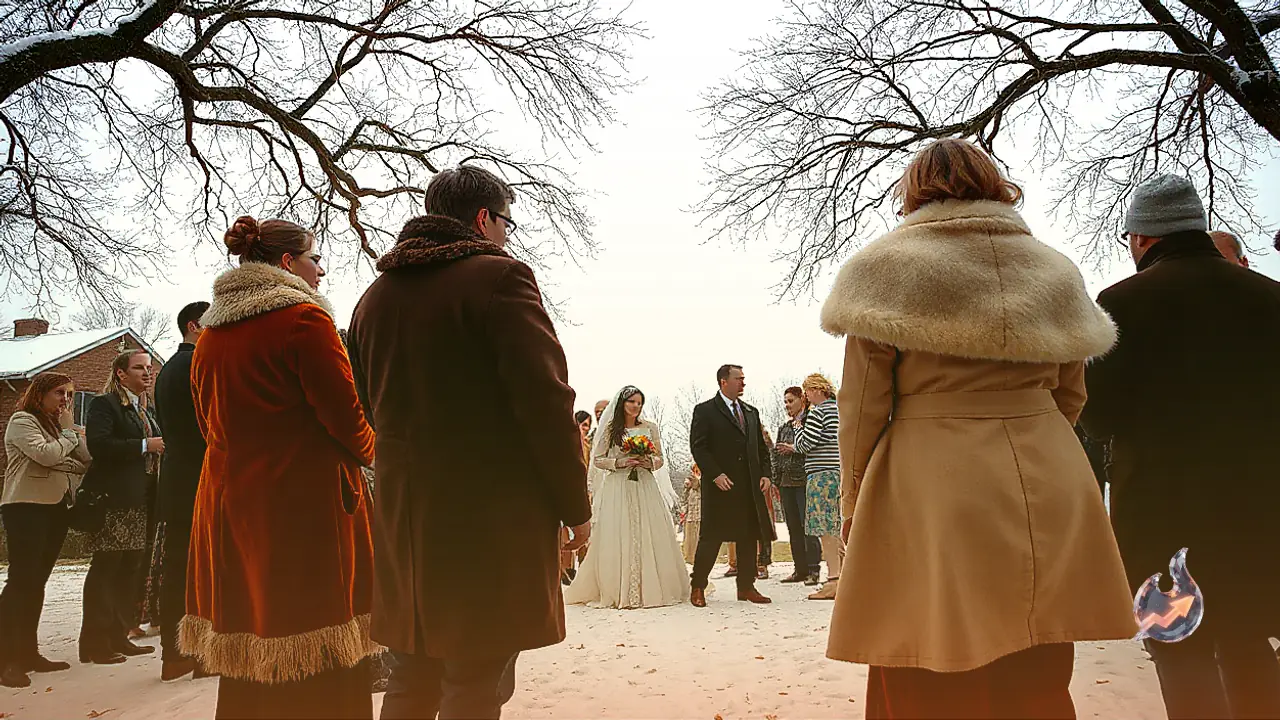

Attending celebratory weddings and family gatherings during the winter season brings great excitement, but choosing the right warm attire poses a persistent dilemma for women. Layering a regular woolen sweater, a thick cardigan, or a modern winter jacket over an intricately embroidered lehenga, an exquisite silk saree, or an elaborate Anarkali suit tends to obscure all the delicate craftsmanship of the garments. Conversely, stepping into chilly banquet lawns and open air wedding venues without adequate thermal protection leaves guests vulnerable to severe cold and shivering winds during long night events. In this exact scenario, the lush velvet stole emerges as the most refined and sensible accessory. Velvet not only serves as an effective thermal shield against freezing outdoor air, but it also elevates any ensemble by introducing an aura of aristocratic elegance. Mastering a few strategic draping methods ensures that your personal style remains uninterrupted while keeping you comfortably insulated throughout the celebration.
The Classic and Graceful One Shoulder Royal Drape
Among the most effortless and enduring ways to showcase a velvet stole is the one shoulder royal drape. In this technique, a plush velvet stole adorned with detailed borders or metallic zari work is pinned securely on one shoulder, allowing both the front and back lengths to cascade down freely. This look pairs exceptionally well with silk sarees, regal Anarkali silhouettes, and traditional silk churidar suits. Its principal advantage lies in keeping the front portion of your inner outfit completely visible, allowing all the threadwork, neckline cuts, and jewelry to shine without obstruction. At the same time, the dense fabric covers one shoulder, part of the chest, and the upper back, blocking icy drafts. Because velvet is naturally sleek and carries noticeable weight, standard safety pins might strain or shift under motion. Fastening the fabric at the shoulder with an ornate kundan or antique vintage brooch prevents slippage while functioning as an eye-catching decorative jewel on your shoulder.
The Elbow Wrap for Aristocratic Splendor
When donning a broad lehenga, flared sharara, or voluminous garara set that already incorporates a sheer net or georgette dupatta, managing an extra heavy wrap can seem cumbersome. For these ensembles, the elbow wrap drape provides an extraordinarily regal and practical solution. To achieve this posture, guide the velvet stole behind your back and rest the inner folds across the bends of both elbows. The wide expanse of the stole blankets your upper back completely, while the ornamental edges frame your forearms on both sides. This positioning directly mirrors the historical portraits of Indian royal queens and noblewomen. It offers crucial protection for your back and exposed arms against nocturnal winds at sangeet parties or outdoor reception dinners. Most conveniently, this drape leaves your hands entirely unimpeded, allowing you to greet relatives, hold dinner plates, and dance freely without constantly adjusting your wrap.
The Modern Belted Cape Structure
For those aiming to introduce a contemporary edge or an Indo Western flair into ethnic wedding wear, transforming the stole into a belted cape is an inventive technique. Spread the wide velvet stole evenly across both shoulders like a regular shawl, bringing both hanging panels neatly down the front torso. Next, clasp a decorative belt featuring intricate embroidery or a polished metallic finish firmly around your natural waistline. This simple addition instantly transforms the loose stole into a structured designer cape or sleeveless jacket. Because the fabric is held flush against your torso, it traps natural body heat effectively and eliminates any gaps where chilly air might enter. When draped over a plain raw silk suit, an understated monochrome outfit, or a flowing evening gown, a contrasting dark velvet stole styled this way creates an instantly striking focal point that stands out effortlessly.
Cross Body Pinup and Cozy Muffler Styles
Wedding celebrations frequently involve bustling movement, especially for close family members actively coordinating ceremonies and attending to various customs. During such active hours, constantly clutching a slipping stole is impractical. The diagonal cross body pinup style delivers stability alongside comfort. Secure the stole at one shoulder, draw it diagonally across the chest, and firmly pin the opposite end at the waistline on the other side. This mimics the neat fit of a tucked dupatta while leveraging velvet's dense structure to keep the chest and torso insulated. Alternatively, if your blouse features a high neck, mandarin collar, or boat neckline, the stole can be gently wound around the throat like an opulent muffler, leaving one edge resting forward and the other dropping down the back. This maintains a tidy silhouette while shielding the neck and throat from freezing night drafts.
Dual Shoulder Drapes and Saree Pallu Adaptations
If your primary wedding attire consists of an exceptionally grand lehenga or an extensive kalidar suit, resting the velvet stole symmetrically across both shoulders presents another majestic look. Letting both embellished ends fall straight down the front frames the core embroidery of your outfit while delivering even thermal coverage across the upper body. Attaching subtle kundan or golden pins near both shoulder seams will guarantee that the stole remains balanced all evening. Furthermore, when wearing Banarasi, Chanderi, or satin sarees in cold weather, a velvet stole can step in as an alternative pallu. Neatly pleat or tuck your saree's original lightweight pallu around your waist, and drape the rich velvet stole over your shoulder with crisp, pinned pleats falling forward. This adaptation preserves classic Indian saree aesthetics while ensuring that your back and arms are well protected against winter temperatures.
Harmonizing Color Palettes and Surface Embellishments
Achieving a cohesive look depends not just on drape mechanics, but equally on matching colors and embroidery styles between the stole and the base garment. If your primary lehenga or suit is heavily encrusted with sequins, stones, or detailed zari work, balance the overall visual weight by choosing a solid velvet stole accented only by a sleek embroidered border. Deep jewel tones such as royal maroon, emerald green, midnight navy blue, dark wine, and rich magenta provide natural warmth and an opulent aura under evening lights. Conversely, if your underlying outfit is minimal, sleek, or plain silk, elevate it by pairing a stole enriched with heavy zardozi, gota patti, or traditional tilla embroidery. This calculated balance ensures complete warmth and effortless sophistication throughout the wedding festivities.