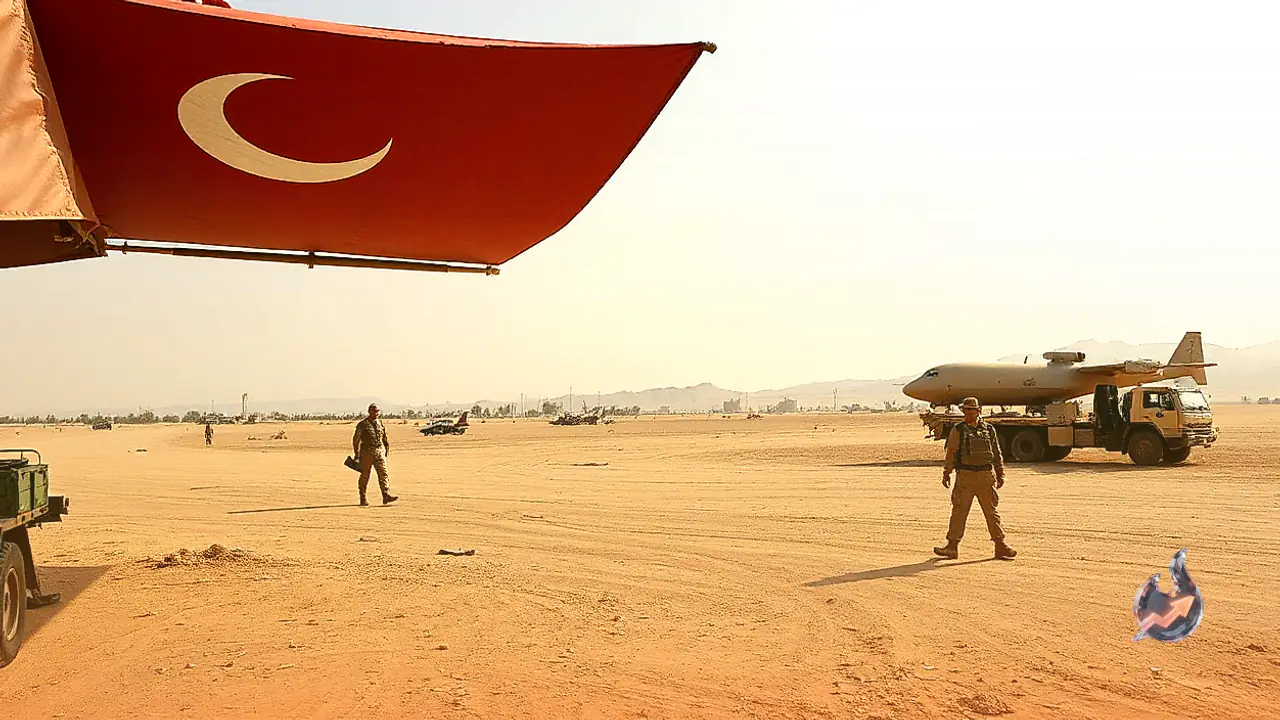




















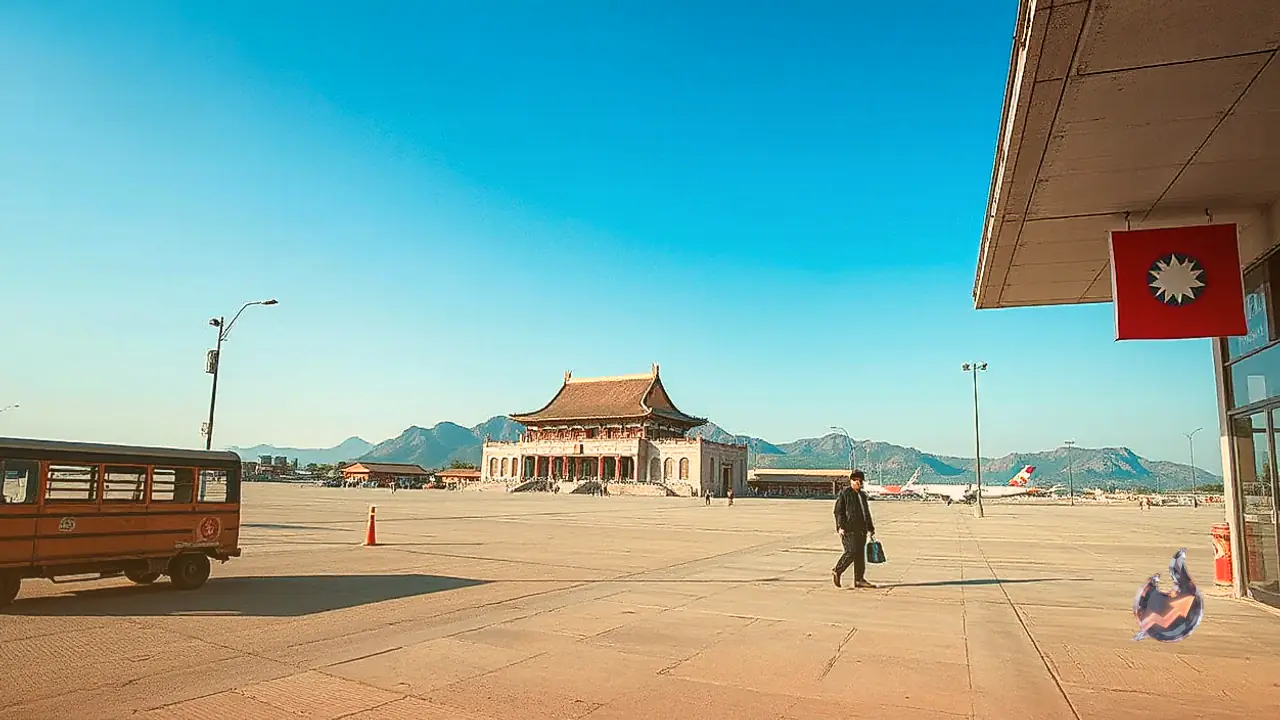

Islamabad has barred all commercial flights operated by Taiwanese airlines from entering its airspace, marking the first time a country has imposed civil aviation restrictions specifically to back Beijing's One China principle. The sudden closure of these established transit corridors between Asia and Europe has disrupted international carrier schedules and introduced substantial economic and operational challenges across global aviation routes.
Aviation Restrictions Tied to Diplomatic Positions
The policy move was confirmed through public statements by Pakistan Defence Minister Khawaja Asif. Asif stated that the nation's aviation authorities adhere strictly to the One China policy, explaining that flight access is granted exclusively to mainland China. According to him, permissions to operate across Pakistan's sky corridors remain restricted solely to Chinese airlines, underscoring Islamabad's intent to intertwine sovereign aviation management with regional diplomatic allegiances.
Carrier Diversions and Extended Russian Flight Paths
Flight tracking information confirms that two of Taiwan's largest aviation carriers, China Airlines Limited and EVA Airways Corporation, abruptly stopped traversing Pakistani territory beginning the morning of October 25. Commercial aircraft operated by these airlines that regularly connect East Asia and European destinations have been compelled to abandon their routine routes, turning instead toward extended flight paths across Russian airspace.
While Taiwan's Civil Aeronautics Administration declined to offer an official comment on Pakistan's unilateral ban, the regulatory agency acknowledged that Taiwanese commercial carriers face no legal prohibitions against operating within Russian air territory. Nevertheless, this extensive detour significantly lengthens journey durations and triggers sharply higher jet fuel consumption, adding considerable overhead to airline operating budgets.
Strategic Alignment and Preceding Diplomatic Support
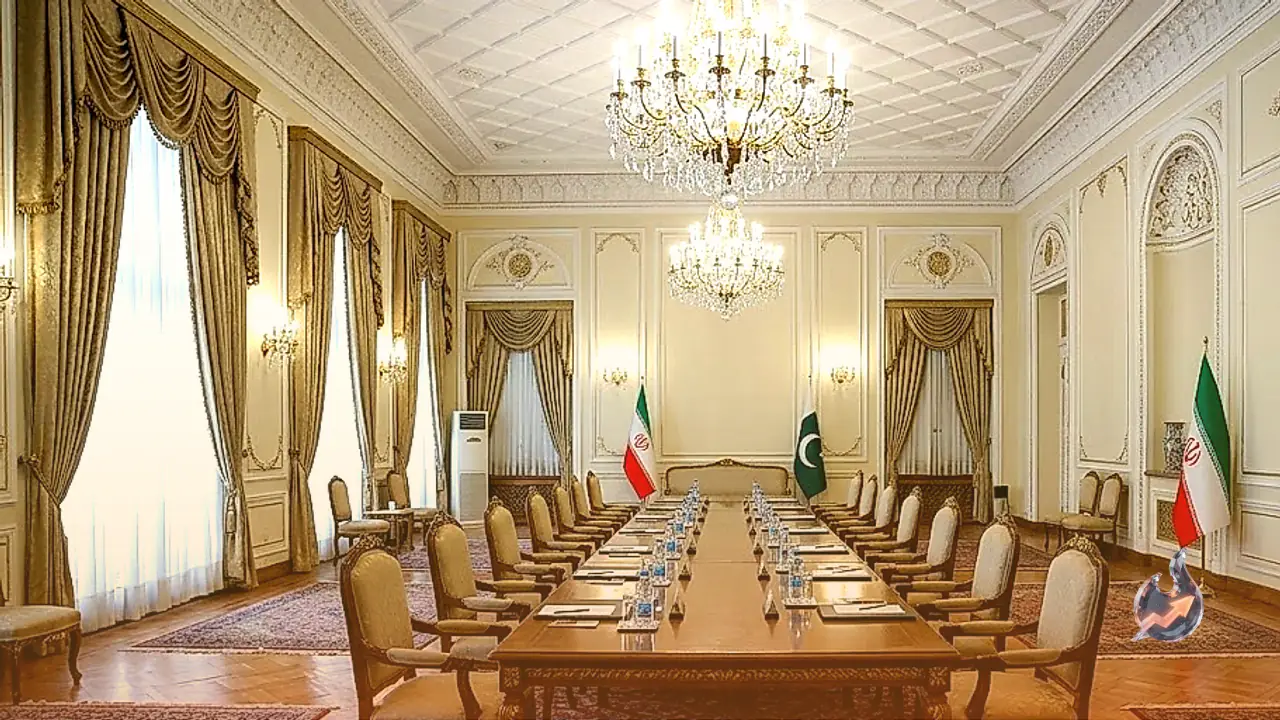
This air corridor shutdown aligns with the broader diplomatic posture consistently voiced by Pakistani leadership. Both President Asif Ali Zardari and Prime Minister Shehbaz Sharif have routinely reiterated Islamabad's stance that Taiwan constitutes an inalienable component of China, while rejecting any concept suggesting two separate Chinese entities. Historically, this alignment has extended to multilateral forums, including concerted efforts alongside Beijing to exclude Taiwan from global venues such as the World Health Assembly.
However, targeting scheduled commercial aviation marks a decisive escalation beyond conventional diplomatic voting patterns. Strategic analysts observe that amid heightened cross-strait frictions, isolating commercial transit infrastructure introduces a concerning precedent for non-military air traffic.
Broader Geopolitical Fallout Across Asia
The airspace embargo accentuates escalating ideological and geopolitical divisions across Asia. While Western powers led by the United States continue to advocate for Taiwan's open international space and unhindered transit, nations economically tied to Beijing are increasingly executing policies that penalize Taiwanese operations.
Aviation safety and policy observers point out that using civilian transit corridors as instruments of political loyalty creates volatile precedents for international transport. As airlines adapt to the newly imposed restrictions, the ripple effects of this Asian airspace shutdown are set to influence long-haul flight planning and international aviation dialogues for months to come.