



















Tamannaah Bhatia has stepped into the promotional campaign for her upcoming cinematic project titled The One, where she shares the screen for the first time with Siddharth Malhotra. Rooted deeply in the regional backdrop of Bihar, the film notably highlights the cultural essence of the Chhath festival through a lavishly mounted musical sequence. Embracing this narrative world during early promotional appearances, the actress chose an attire that paid direct homage to the region's artistic legacy and spiritual traditions.
Handcrafted Madhubani Artistry by Four Local Artisans
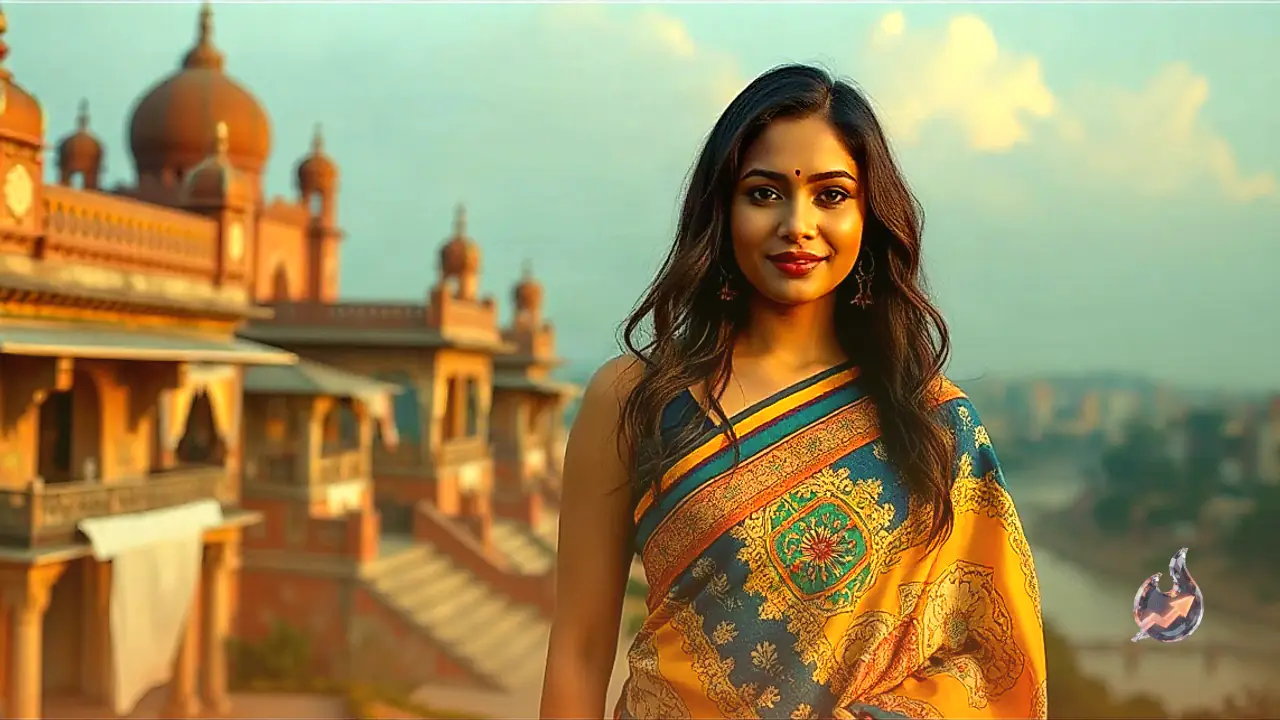
Marking the occasion of Radha Ashtami, Bhatia wore an ensemble characterized by a striking combination of yellow and deep blue hues, comprising a drape and an accompanying shawl. The centerpiece of the outfit was its pallu, which carried elaborate, hand-painted Madhubani motifs created through the collaborative effort of four traditional artists. The design prominently depicted the divine union of Radha and Krishna, framed within authentic Mithila visual motifs and patterns passed down through generations, ensuring every motif carried a distinct cultural narrative.
Color Symbolism Honoring the Chhath Festival
Explaining the concept behind the color palette, Bhatia pointed out the unique spiritual nature of Chhath, a celebration that reveres both the setting and rising sun. To reflect this cycle of changing light and transformation, the styling incorporated deep blue to symbolize the twilight sky alongside bright yellow representing the dawn. This deliberate choice tied the clothing directly to the environmental and cultural themes explored within the film's storyline, presenting regional folklore on a mainstream platform.
Blending Heritage Weaves with Contemporary Jewelry
To complement the handcrafted traditional fabric, the styling introduced a touch of modern luxury with diamond chandelier earrings. Featuring delicate drops and refined diamond cuts, the earrings provided a balanced contrast between ancient folk craftsmanship and modern red-carpet aesthetics. The overall look resonated strongly with viewers and followers online, who commended the thoughtful integration of regional Indian textiles and sacred festivities into a contemporary film promotion.