























When a thick, stubborn slab of frost accumulates inside a home freezer, managing daily kitchen storage quickly turns into an inconvenient hassle. Containers and food packets run out of usable shelf room, and in severe instances, the frost buildup cements the door so firmly that pulling it open requires excessive force. Beyond the sheer loss of storage capacity, extreme ice layering places an unnecessary burden on the cooling mechanism, making it difficult for the appliance to function under optimal conditions. Defrosting the unit in a timely manner is the most dependable remedy, and doing so does not demand expensive commercial gadgets or specialized maintenance tools.
Crucial Initial Steps Before Defrosting
The foremost rule of freezer maintenance is to completely disconnect the appliance from its electrical source before undertaking any task. Turn off the wall switch and unplug the power cord directly from the electrical socket to eliminate any possibility of electrical hazards. Once the power is disconnected, remove all stored items and provisions from the freezer compartments. Food products that spoil rapidly when exposed to room temperature should be shifted without delay into a dedicated icebox or placed in a secondary cold environment. With the compartment entirely vacated, leave the freezer door wide open so ambient room air can naturally warm the interior. Rushing this stage often leads to avoidable mistakes.
The Risks of Using Sharp Objects on Ice
Confronted with rigid ice blocks, people frequently yield to impatience and attempt to chisel away the ice using kitchen knives, metal spoons, screwdrivers, or other pointed tools. Engaging in this practice can result in severe, costly damage to the appliance. Essential coolant pipelines run directly behind the interior casing of freezer walls. The impact of a sharp or rigid instrument can easily puncture, dent, or rupture these delicate lines, triggering an immediate leakage of refrigerant gas. Once gas escapes, the refrigerator ceases to cool altogether, leaving homeowners with steep repair or replacement bills. Allowing the ice to loosen gradually through gentle warming remains far safer than applying physical force.
Accelerating Thawing with Hot Water Steam
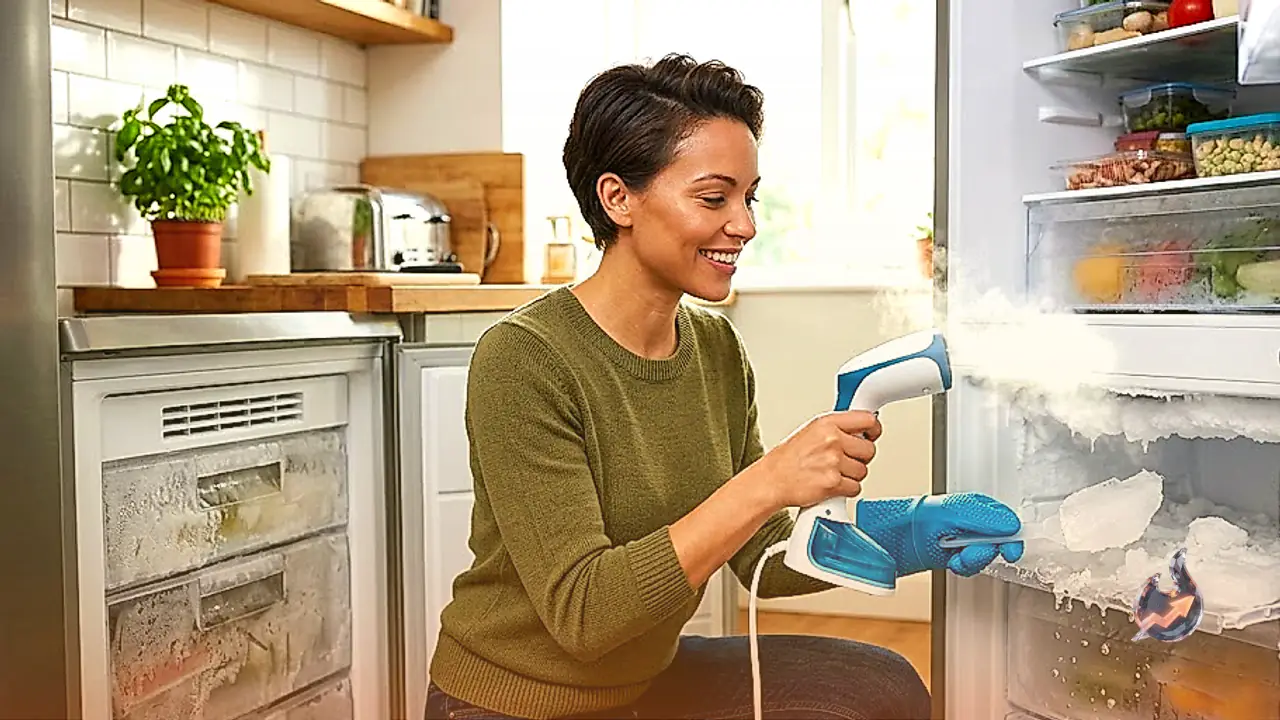
For those who need to expedite the melting process without risking structural harm to the unit, a straightforward household technique delivers excellent results. Fill a heat-resistant bowl or basin with hot water, carefully set it onto one of the interior freezer racks, and shut the door. The steam rising off the hot water gets trapped inside the closed compartment, steadily softening the bond between the ice layer and the freezer walls. After letting the steam work for a short interval, open the door to inspect the progress; the softened ice will have loosened sufficiently to be pulled away gently by hand. If stubborn or unusually thick patches remain, replacing the container with freshly boiled water and repeating the steam cycle quickly finishes the job.
Managing Meltwater and Protecting Flooring
A major side effect of rapid defrosting is the steady runoff of meltwater pooling at the base of the freezer and spilling onto kitchen floors. To prevent slippery messes and surface damage, position thick rags, old bath towels, or absorbent mats directly beneath and around the base of the appliance before beginning. As the ice liquefies, actively absorb the runoff inside the compartment using a sponge or clean cloth. Resist any urge to plug the refrigerator back in while standing water or dampness persists within the unit; eliminating all interior moisture is essential before resuming cooling cycles.
Drying the Compartment and Reloading Stored Items
Once the ice has been completely cleared out, wipe every interior surface with a clean cloth. Avoid utilizing aggressive chemical solvents or heavily perfumed detergents, as these leave unwanted residues in spaces meant for food. A gentle wipe-down with a lightly dampened cloth followed by thorough drying with a soft, dry towel prepares the unit properly, paying close attention to corners and the rubber door gaskets. Ensuring the chamber is bone dry helps minimize the rapid reappearance of frost. Before returning provisions inside, verify that containers are not leaking. Arrange items neatly without overcrowding the shelves, preserving necessary gaps for chilled air circulation. If frost builds up excessively fast even after proper maintenance, the culprit may be a degraded door seal, incorrect thermostat calibration, or an underlying mechanical fault that warrants professional attention.