





















Every plant lover's worst fear is watching an expensive plant wilt away for no obvious reason. Losing a plant this way is doubly frustrating, since many gardening enthusiasts spend a good amount of money sourcing rare or costly varieties, only to see them collapse within weeks. More often than not, the real culprit isn't too little water, it's too much moisture sitting around the roots for too long. When the roots stay wet for extended periods, they start to rot, and the plant slowly dies. For anyone trying to keep a garden green and thriving, one simple, low-cost trick can make all the difference.
A gardener from Jehanabad with 20 years of experience
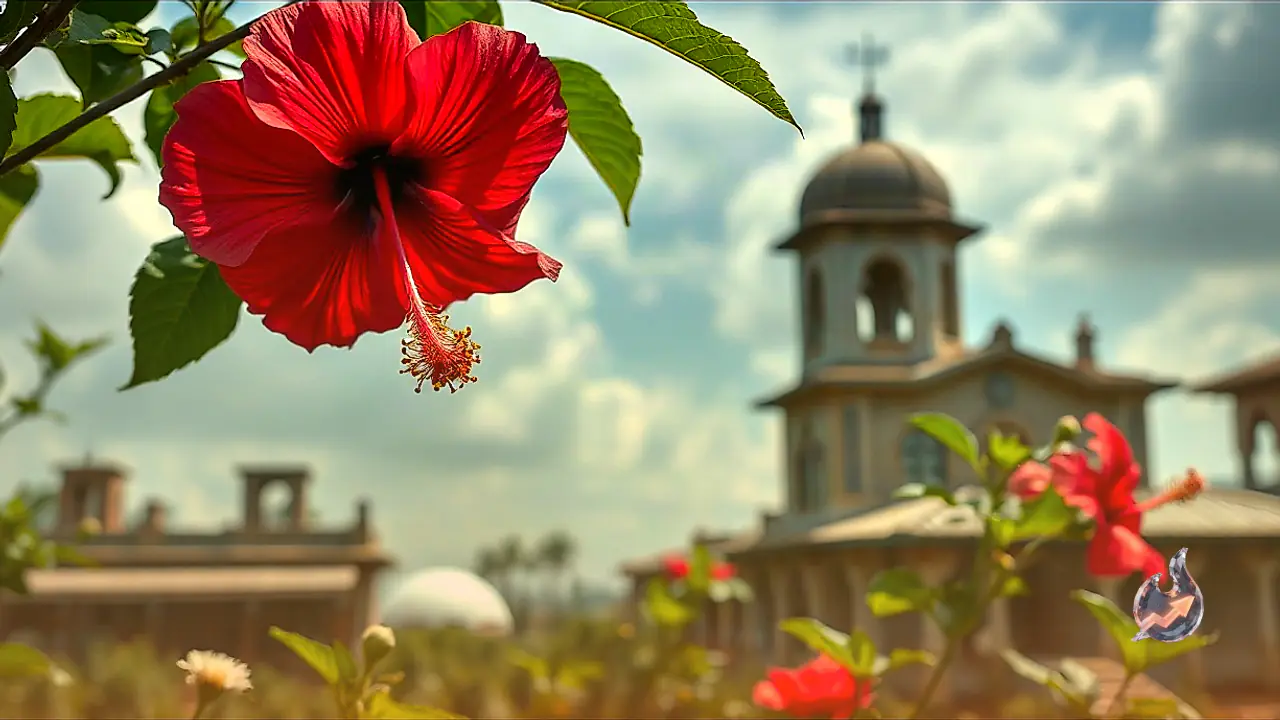
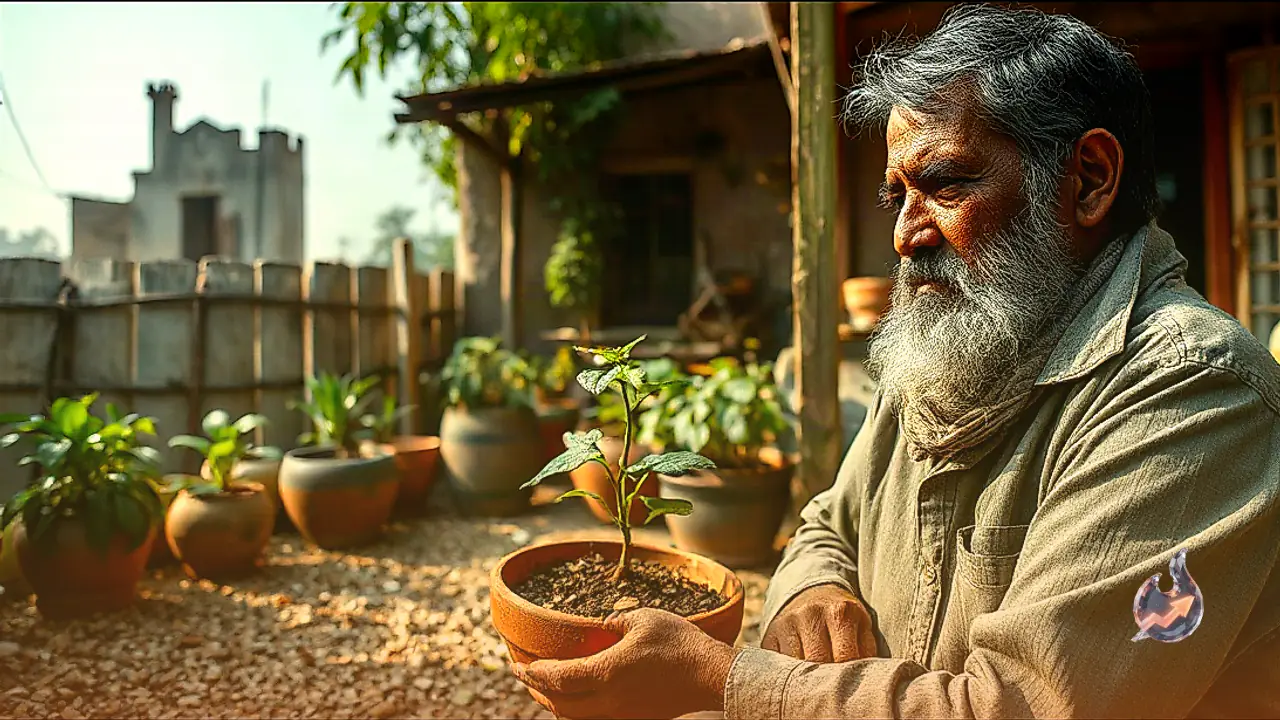
Rakesh Kumar, who lives in Muther village in Bihar's Jehanabad district, has been gardening for the past 20 years. He has grown more than 150 plants on the terrace of his home, including varieties like adenium, hibiscus and cactus. Based on this long experience, Rakesh Kumar firmly believes that plants suffer the most damage when water keeps collecting at the roots.
Don't throw away leftover plastering sand
According to Rakesh Kumar, anyone new to gardening should start by planting directly in sand. It sounds like a small, minor tip, but it turns out to be extremely effective in gardening. For someone just starting out, that reassurance matters, since a first failed plant is often enough to make a beginner give up on gardening altogether. Doing this greatly reduces the risk of root rot, so the effort put into growing a plant doesn't go to waste. What makes this trick especially useful is that the sand doesn't need to be bought separately. When sand is mixed for plastering a wall, it is first passed through a sieve. The leftover, coarser sand that remains after sieving is usually treated as waste and thrown away, even though it can be put to excellent use in growing plants. Most households simply sweep it away along with construction debris, without realising it could be repurposed for something useful.
How to use sand instead of soil
Rakesh Kumar explains that the mix in a pot should be roughly 90 percent sand, with the remaining 10 percent made up of vermicompost and soil. Planting in this ratio helps the plant develop properly. That's because when plants are potted in mostly soil and then fertilized, the soil tends to harden over time. Once the soil turns hard, neither the roots nor the stem can grow properly, meaning the plant suffers on every front. With less oxygen reaching the roots in hardened soil, growth slows down even further, compounding the damage caused by trapped moisture.
Sand, on the other hand, never packs together tightly, which gives roots plenty of room to spread out freely. That's exactly why plants grown in sand rarely suffer from root rot and tend to turn green and healthy much faster. For anyone hoping to build a garden on their balcony or terrace, this simple, homegrown method can help keep plants alive and healthy for a long time, without spending any extra money. Since this sand is essentially free and would otherwise end up as debris, the method costs nothing beyond a little effort, making it an easy fix for anyone who has struggled with wilting plants in the past.