






















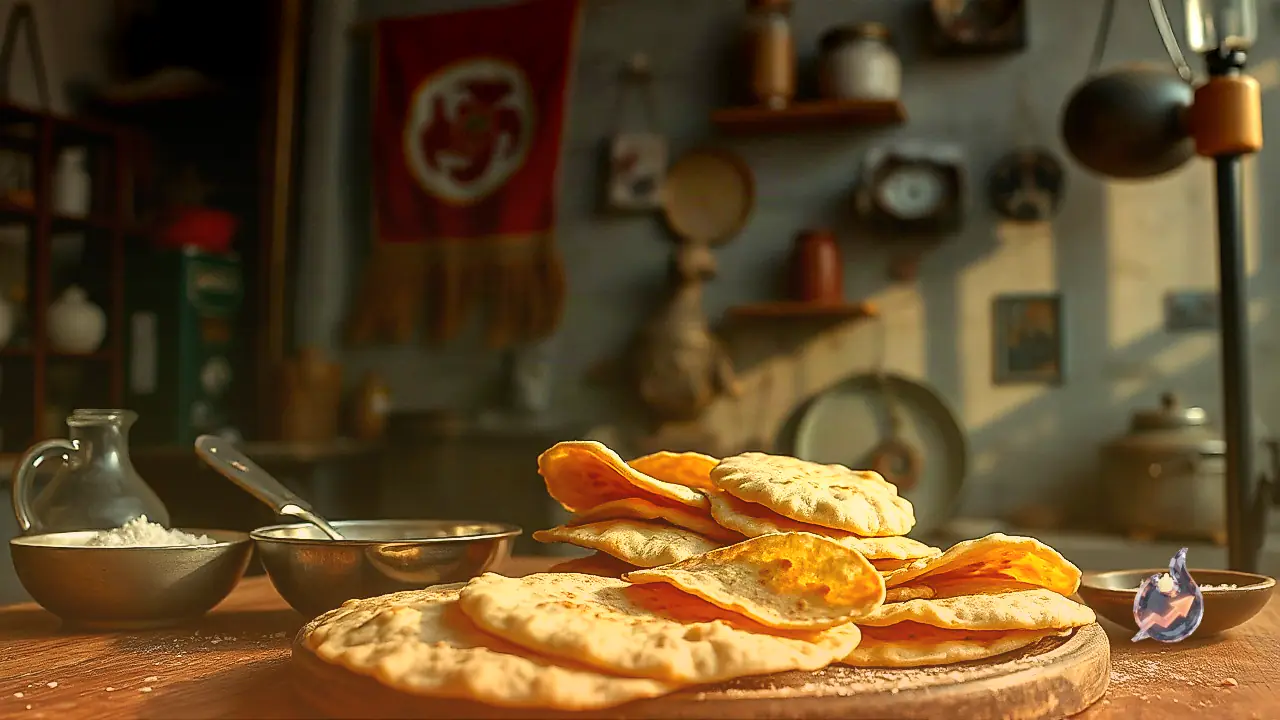

Whether marking a festive feast or a relaxed weekend breakfast, puris remain one of the most beloved dishes in traditional Indian households. While hot and puffed puris are an instant favourite at the dining table, their tendency to soak up large quantities of oil during frying often raises health concerns. Heavily greased food not only increases dietary fat intake but also leads to rapid cooking oil consumption in the pantry. Adopting a few targeted kitchen practices can help preserve the desired crispness while preventing the dough from turning soggy with grease.
Knead a Firmer Dough with Controlled Water
The foundation of a non-greasy puri lies entirely in the consistency of the dough. Unlike regular flatbreads that require soft and pliable dough, puri dough should always remain noticeably firm. Adding water gradually and keeping moisture levels strictly limited ensures a tighter flour structure. When dough is firm, it resists drawing excess oil inside while submerged in the frying pan. Furthermore, firmer dough rolls out evenly, puffs up completely upon hitting high heat, and retains its light, crunchy texture for longer periods.
Chill the Prepared Dough in the Refrigerator
Rather than frying puris immediately after working the flour, resting the prepared dough under cool conditions yields far superior results. Placing the kneaded dough inside a refrigerator for roughly 30 minutes before rolling creates noticeable differences in texture. Chilled dough absorbs considerably less oil while deep-frying, helping maintain a dry exterior and balanced internal texture. For busy festive cooking or hosting guests, this chilling step also offers the practical convenience of prepping ahead without compromising quality.
Add a Pinch of Salt to the Frying Medium
A simple adjustment to the frying oil itself can also make a visible difference. Once the cooking oil in the deep pan reaches frying temperature, introducing a very small pinch of salt helps regulate surface interaction. This small addition is understood to form a gentle barrier that limits how much excess oil penetrates the dough during cooking. However, restraint is necessary when applying this hack, as excessive salt should never be dumped into hot fat, which could cause hot splatters or bubbling over the pan edges.