























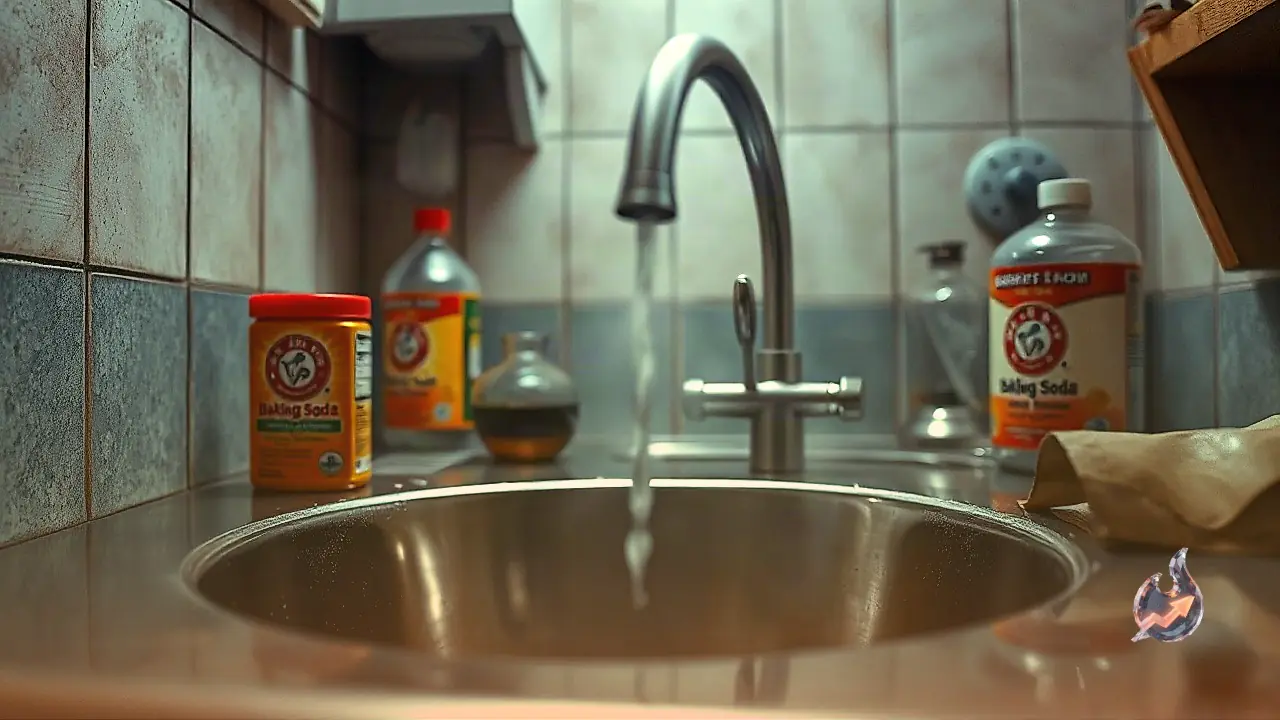

Stepping into the kitchen early in the morning only to be greeted by a foul, rotting smell emanating from the sink can instantly ruin the start of any day. This is an extremely common household issue, and the knee-jerk reaction for many is to immediately call a professional plumber or expect an expensive repair bill. However, calling for professional help and spending money over a basic drainage problem is rarely necessary. With a handful of inexpensive ingredients already resting in your kitchen cabinets, this stubborn nuisance can be eliminated entirely without spending extra cash.
What Triggers the Rotting Smell in Kitchen Drains
The persistent stench rising from the sink drain is not an overnight occurrence, but rather the cumulative result of daily washing routines. Every time cookware and utensils are cleaned, fine scraps of food, cooking grease, edible oil residue, and tea leaves slip past the basin into the drainage pipe. With constant everyday use, these greasy residues coat the internal lining of the pipe walls.
As these trapped organic materials sit over time, they begin to decompose, releasing noxious and putrid odors directly into the kitchen atmosphere. Compounding the trouble, standing water inside the trap or sluggish drainage allows colonies of bacteria and fungi to breed rapidly. These thriving microorganisms accelerate decay, intensifying the unpleasant smell and creating a stubborn hygiene hazard.
The Simple Baking Soda and Vinegar Routine
There is no need to pour harsh, expensive store-bought chemical cleaners down the plumbing. A reliable and highly effective remedy can be prepared using common household staples in just a couple of minutes
- Adding the Baking Soda: Begin by pouring half a cup of baking soda directly down the sink opening.
- Pouring the White Vinegar: Immediately follow this by emptying one cup of plain white vinegar right over the soda. The moment these two compounds meet, they initiate a vigorous bubbling reaction that produces a dense foam.
- Allowing Time to Work: Leave this active foaming blend undisturbed inside the drainage pipe for at least 10 to 15 minutes. This natural effervescent reaction effectively cuts through hardened grease, breaking down trapped debris from the pipe walls.
- Flushing with Scalding Water: Meanwhile, heat a pot of water on the stove until it reaches a rolling boil. Carefully pour this boiling water down the drain in a steady stream. The rush of scalding water immediately washes away loosened grime, dissolved grease, and the bacteria responsible for the foul odor.
Preventative Steps to Keep the Drain Fresh
Maintaining a fresh-smelling kitchen requires adopting simple habits to stop food solids and fats from settling in the plumbing
- Keep Grease Out of the Basin: Never dispose of leftover oil, butter, or pan grease directly into the sink drain. Always wipe greasy pans and plates with a dry paper towel first before putting them under running water.
- Weekly Routine Cleans: At least once every week, flush the drain with a mixture of hot water and dishwashing liquid, or a quick dash of baking soda. Routine maintenance ensures that oil and grime do not have a chance to settle and accumulate.
- Use a Reliable Sink Strainer: Always keep a sturdy stainless steel or high-grade plastic strainer basket seated over the sink drain. The mesh catches larger food particles and debris before they can slip into the pipework.
By relying on these straightforward and economical maintenance habits, you can keep your kitchen smelling pleasant and running smoothly without relying on costly professional plumbing visits.