






















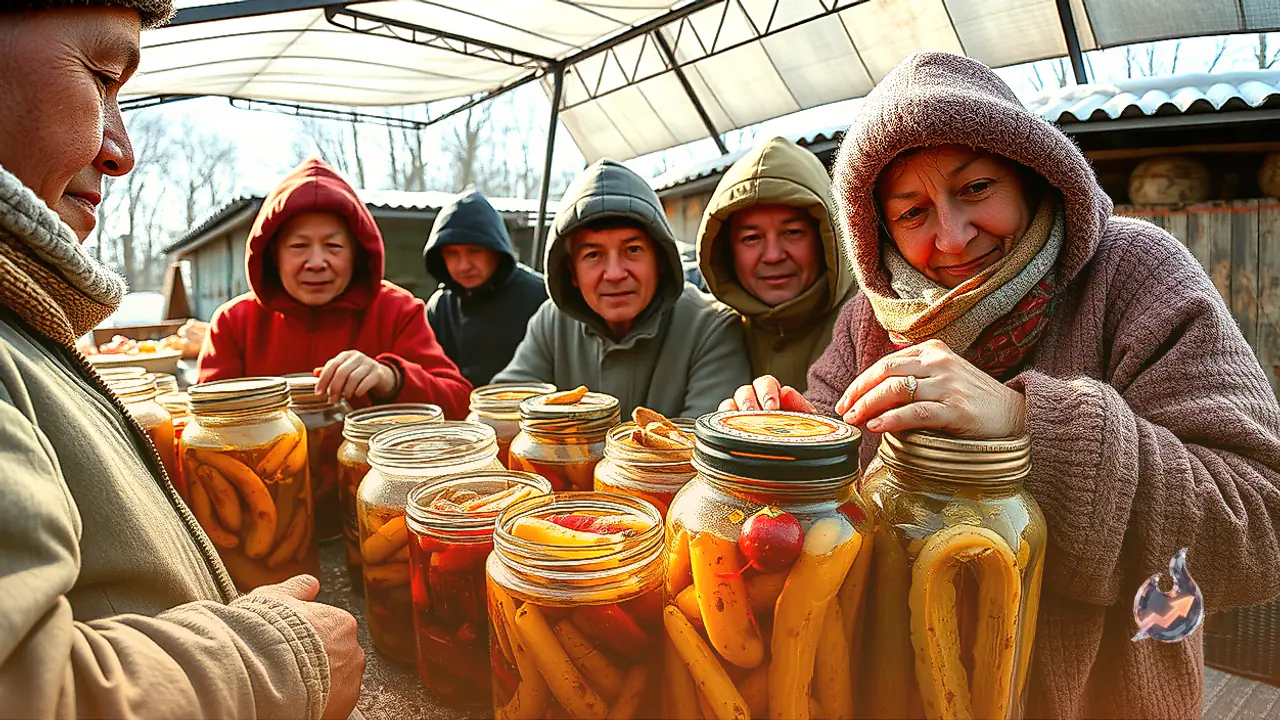

With the arrival of winter, safeguarding year-old traditional pickles stored in household pantries becomes an essential household priority. Across both rural villages and urban settings, jars of homemade mango, karaunda, and barhar pickles are traditionally prepared in substantial quantities. However, the drop in temperature during winter brings a significant reduction in natural sunlight and an increase in atmospheric moisture. This damp environment significantly heightens the danger of fungal growth, often seen as a layer of white mold forming over stored condiments. Households across the Vindhya and Baghelkhand regions have long relied on practical preservation techniques passed down through generations to ensure that these pickles retain their rich aroma and authentic taste throughout the colder months.
Ensuring a Generous Layer of Mustard Oil
According to Urmila Mishra, a resident of Satna, the most fundamental rule for long-term pickle preservation is keeping the ingredients completely submerged in mustard oil. A distinct and continuous layer of oil must remain above the solid pieces inside the ceramic jar. This protective oil barrier prevents ambient humidity and air from coming into direct contact with the pickled fruit and spices, depriving fungal spores of the oxygen and dampness they need to grow. If the surface layer appears dry or if the oil level drops over time, it should never be neglected. The remedy is simple: heat an adequate amount of pure mustard oil thoroughly, allow it to cool down completely to room temperature, and then pour it into the jar until the contents are fully covered.
Sun Drying During the October Sunshine
Before the full chill of winter settles in, utilizing bright sunny days in October is an age-old and highly effective method for moisture control. During this process, the standard lid of the jar is removed, and the mouth is tightly covered with a clean cotton or muslin cloth. The jar is then kept in direct sunlight for approximately 4 to 5 hours. The porous cloth keeps out dust and insects while allowing accumulated steam, heat, and internal condensation to evaporate freely. This routine effectively removes residual dampness from within the jar, revitalizing the spices and locking in their deep fragrance and flavor.
The Risks of Damp Spoons and Bare Hands
Improper handling while serving pickle is among the primary reasons for premature spoilage. Inserting bare fingers into the container or using a damp spoon introduces instant moisture into the delicate balance of spices and oil. Even a minute droplet of water can trigger localized mold growth that quickly spreads throughout the batch. To prevent contamination, always use a completely dry and clean wooden ladle or stainless steel spoon. After serving, this utensil must be cleaned, dried thoroughly, and stored separately rather than left inside the jar, and the container should be sealed tightly immediately after use.
Proper Jar Placement and Container Selection
In traditional homes across Baghelkhand, pickle containers are carefully shielded from damp surfaces and are never placed directly onto bare floors. Sturdy ceramic or glass jars should always be positioned on elevated, dry, and well-ventilated shelving units. Direct floor contact transfers ground moisture and persistent winter cold directly into the vessel, which harms preservation quality. Furthermore, when aiming for long-term storage, individuals should avoid using standard plastic tubs or polythene packaging. Heavy ceramic pots or clean, dry glass jars remain the far superior choice for maintaining acidity and resisting degradation.
Balancing Salt and Sun-Dried Spices
When women in Baghelkhand prepare traditional recipes such as karaunda, mango, and barhar, they deliberately maintain a slightly elevated proportion of salt within the spice blend. Salt serves as an exceptional natural preservative by inhibiting bacterial proliferation and moisture absorption. Equally critical is the dryness of the raw spices used in the base. Whole and ground spices must be completely dried in the sun before preparation, as any trace of latent water trapped inside seeds can accelerate deterioration once combined with the fruits.
Managing Protection When Sunlight is Unavailable
In situations where dense winter cloud cover prevents regular sun drying, alternate food preservation techniques can provide additional defense against spoilage. Introducing a small quantity of vinegar helps lower the pH level, preserving tartness while warding off fungal organisms. Alternatively, controlled use of food-grade preservatives such as sodium benzoate can be employed for extended storage stability. Ultimately, the overriding factor remains complete moisture prevention across the jar, the spices, and every utensil utilized. Implementing these straightforward precautions allows families to enjoy the distinct flavors of their heirloom pickles without fear of winter spoilage.