






















When planting new flora in a home garden or indoor setup, every gardener eagerly anticipates the quick emergence of fresh green leaves and robust vertical growth. However, it is a common frustration when, despite dedicated daily attention, a plant appears completely stagnant and fails to develop new foliage. In such situations, plant owners frequently attribute the issue to poor soil quality or weak nursery stock. Yet, the underlying cause behind delayed growth often stems from minor mistakes made in everyday routine care. Overlooking proper irrigation techniques, sunlight balance, pot sizing, and fertilizing practices can severely strain a plant's vitality. By recognizing and rectifying these routine errors, growers can effectively restore healthy growth and encourage vibrant new leaf production.
Overwatering Hazards and the Correct Way to Test Soil Moisture
The single most frequent mistake committed by houseplant enthusiasts is excessive watering. There is a widespread misconception that pouring water into the container daily will accelerate plant growth and yield faster leaves. In reality, water requirements vary significantly depending on the plant species, seasonal conditions, and indoor humidity. Continuous overwatering keeps the soil perpetually soggy and waterlogged, effectively suffocating the root system by sealing off air pockets in the substrate. When roots are deprived of necessary oxygen, they begin to rot underground. This root damage manifests above the soil as yellowing leaves, drooping stems, and a complete cessation of new growth.
To avoid this condition, it is vital to adopt a disciplined moisture testing method before reaching for the watering can. Rather than adhering to a strict calendar schedule, inspect the soil manually using the finger test. Insert a finger roughly one to two inches deep into the pot substrate to gauge moisture levels. Water the plant only if the upper soil layer feels entirely dry to the touch. If the soil remains damp underneath, hold off on watering. This simple habit prevents root rot and ensures the underground structure maintains healthy access to oxygen.
Ensuring Proper Pot Drainage and Unclogging Drainage Holes
In conjunction with careful watering habits, maintaining proper drainage inside the container is equally critical. If a pot lacks drainage holes at the bottom, or if those holes become obstructed by dense soil, excess water has no path of escape. Water accumulates at the bottom of the container, submerging the roots in stagnant moisture. Over time, this stagnant environment rots the root system, weakening the entire structural integrity of the plant and halting any prospective leaf development.
When selecting containers, always verify that adequate drainage holes are present at the base. For existing pots where water fails to drain freely after irrigation, inspect the bottom holes immediately and clear any compacted soil or debris using a small tool or wooden stick. Ensuring unimpeded drainage allows excess water to escape rapidly, preserves healthy aeration within the growing medium, and protects roots from rotting.
Balancing Light Requirements and Avoiding Extreme Conditions
Sunlight plays an indispensable role in photosynthesis and the formation of new leaves, yet lighting conditions must be carefully tailored to each plant's specific needs. Different varieties exhibit distinct tolerance levels for direct solar exposure versus indirect ambient light. For instance, placing shade-loving foliage plants in direct, scorching sunlight causes delicate leaf tissues to burn, resulting in brown or crispy patches.
Conversely, keeping light-demanding species in dimly lit interior corners deprives them of essential energy, causing stretched, leggy growth and preventing the development of new leaves. Placing a plant near a window simply because light enters the room is not always sufficient. Gardeners should research the precise lighting requirements of each plant species upon purchase and position them in locations that provide the appropriate light intensity.
Preventing Plant Stress from Frequent Location Changes
A subtle error that many plant owners make unintentionally is frequently moving containers from one location to another. Relocating a plant from the balcony to a living room corner, and then to a different windowsill a day later, exposes the plant to constant environmental fluctuations. Plants adjust their internal physiology gradually based on ambient temperature, relative humidity, light direction, and airflow.
Shifting a plant constantly forces it to expend valuable energy adapting to new microclimates rather than directing its resources toward foliage expansion. This persistent stress significantly slows down overall growth. If a plant is exhibiting steady progress and healthy foliage in a particular spot, avoid moving it unnecessarily. Allowing the plant to remain in a stable environment fosters optimal conditions for continuous development.
The Risks of Over-Fertilization and Nutrient Management
In an attempt to jumpstart sluggish growth, gardeners often resort to applying heavy doses of fertilizer. However, the belief that more fertilizer translates to faster growth is entirely misguided. Excess synthetic or organic fertilizer leads to a buildup of mineral salts within the soil matrix, which can chemically burn delicate root tips and hamper their ability to absorb moisture. Symptoms of over-fertilization include brown leaf tips, crusty soil surfaces, and sudden leaf drop.
Nutritional requirements differ based on the season and the active growth cycle of the plant. Avoid applying fertilizer haphazardly or at excessive concentrations. Always assess the plant's health and seasonal phase before feeding, utilizing mild, balanced fertilizers when appropriate. Furthermore, if a plant is already ailing, stressed, or suffering from root damage, applying heavy fertilizer will exacerbate the problem rather than cure it.
Recognizing Root-Bound Plants and Repotting Needs
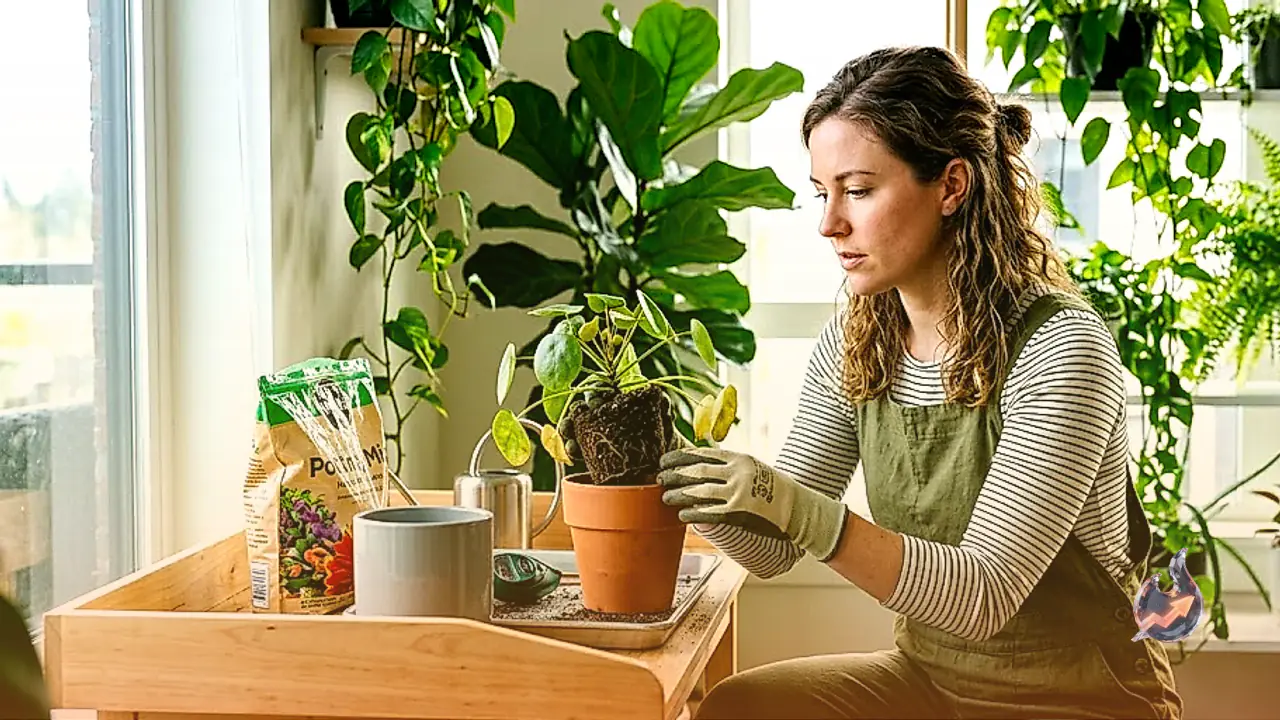
A plant outgrowing its container is another major factor responsible for halted development. As a plant matures, its root network expands throughout the growing substrate. When the roots completely fill the pot and become tightly packed, the plant becomes root-bound. In this constrained state, the roots can no longer access sufficient nutrients or moisture, causing top growth to stall and preventing the emergence of new leaves.
A clear indicator of a root-bound plant is when water drains through the pot immediately without being retained by the soil, or when the soil dries out excessively fast after watering. Periodically check the root system by inspecting the bottom drainage holes or carefully lifting the root ball from the pot. If roots are dense, tangled, or circling the base, repot the plant into a slightly larger container filled with fresh, nutrient-rich potting mix.
Deciphering Plant Symptoms for Comprehensive Care
Beyond these primary care factors, maintaining routine observation of foliage appearance and soil condition is essential for long-term plant health. Symptoms such as yellowing leaves, dry leaf margins, or unpleasant odors emanating from the soil indicate underlying stress.
It is important to remember that not every issue can be solved by simply adding more water or fertilizer. Some plants require reduced watering, others need brighter lighting, while some may benefit from a complete soil refresh. By accurately reading the physical signs your plant exhibits and tailoring care to its specific requirements, you can successfully eliminate growth bottlenecks and enjoy healthy, lush green foliage.