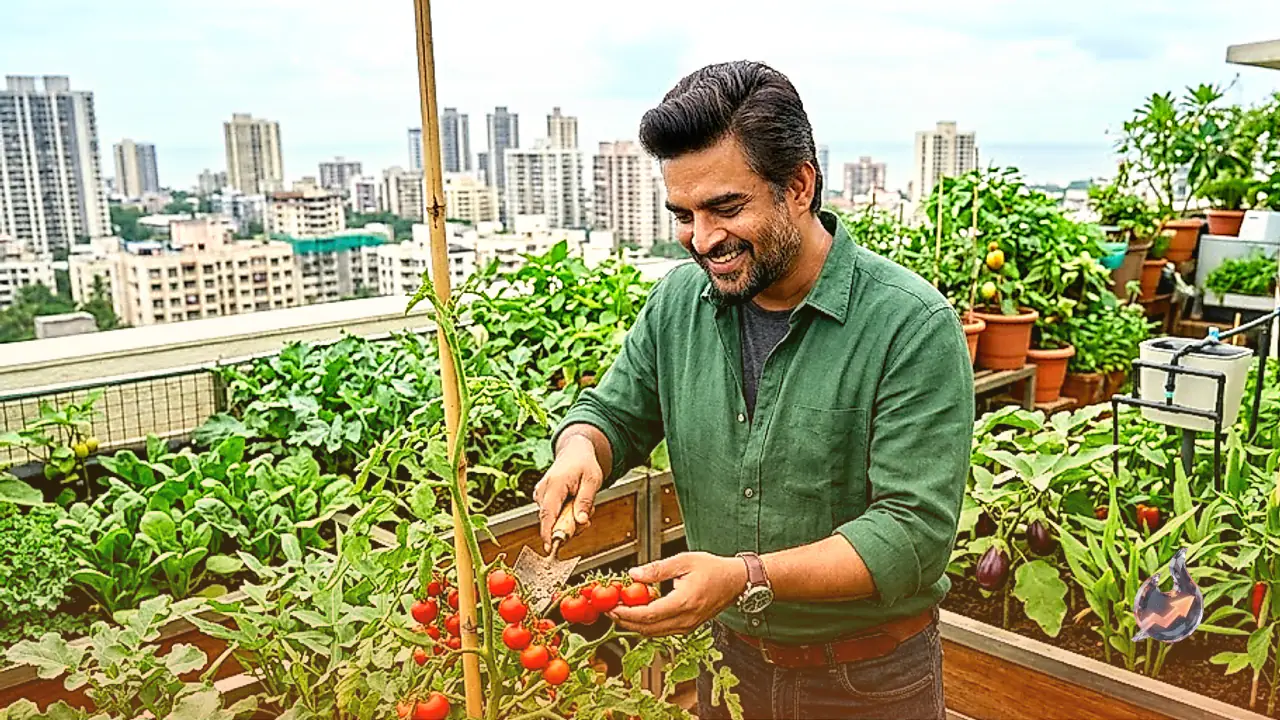





















Urban gardeners cultivating green chillies in containers often encounter an unexpected dilemma. The sapling flourishes, gains substantial height, and exhibits lush foliage, yet fails to develop blossoms or edible peppers. Many growers mistakenly assume this lack of fruiting stems from poor soil nutrition, whereas the primary obstacle frequently relates to apical dominance. When a plant pours its resources into upward elongation along a single vertical stem, vegetative height consumes energy that would otherwise foster lateral fruiting sites. Addressing this structural pattern through the horticultural practice known as pinching helps redirect that developmental energy into a dense, productive shrub.
The Mechanism and Benefits of Apical Pinching
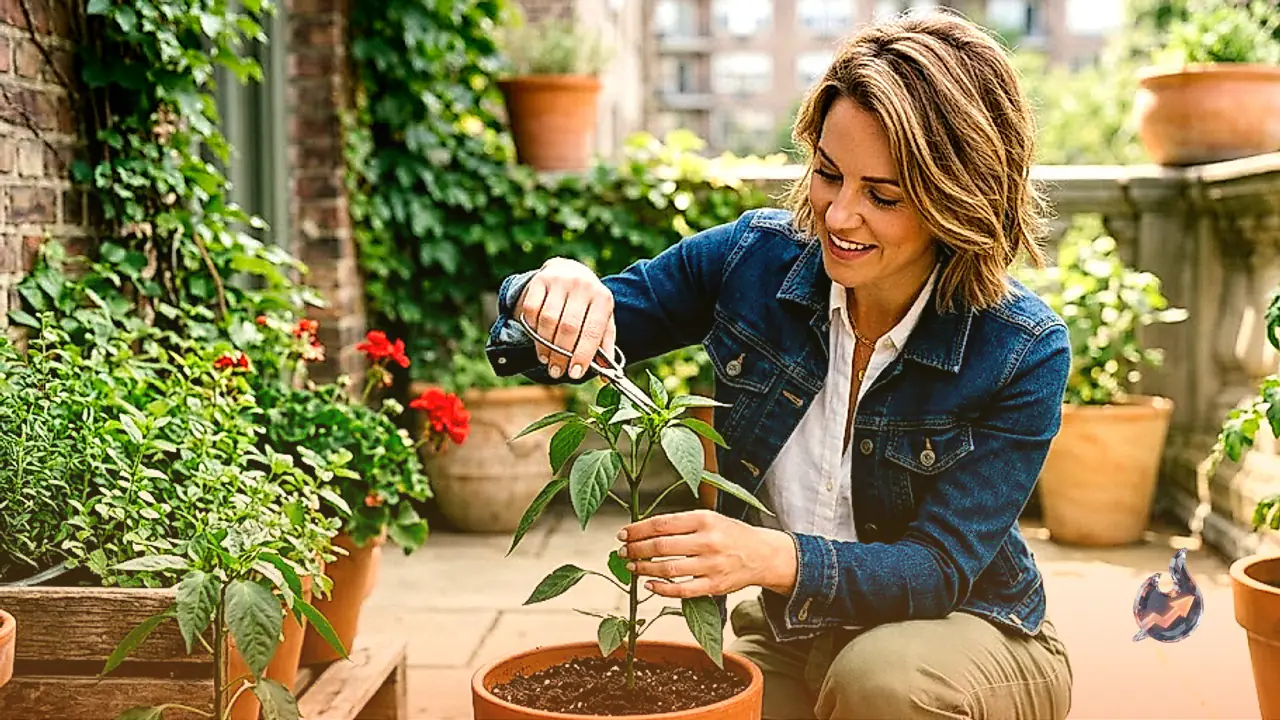
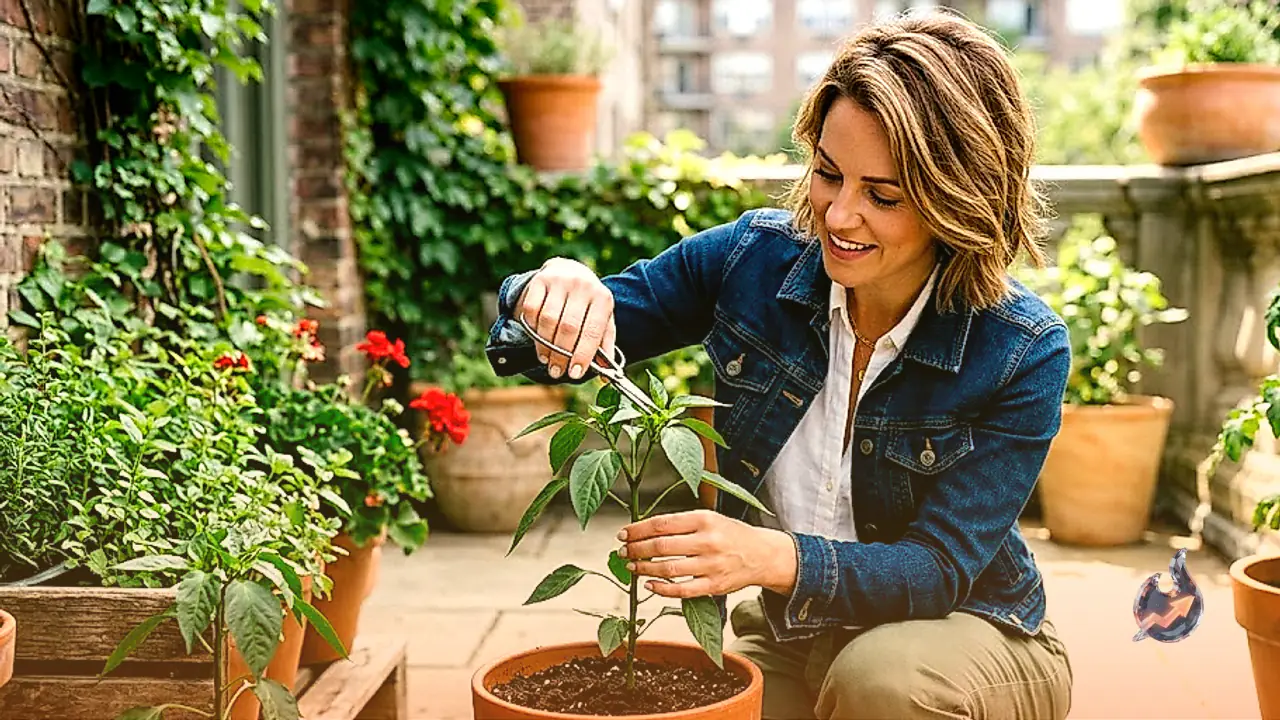
Pinching involves carefully removing the delicate tip of the primary central shoot. By eliminating this apical growing point, the vertical expansion temporarily pauses, signaling dormant buds along the lower nodes to emerge as vigorous lateral branches. Rather than developing as a single spindly stalk, the plant branches outward into a compact framework. Because chillies form their flower buds and subsequent pods across lateral side shoots, multiplying these auxiliary stems directly raises the potential flower count and overall harvesting volume.
Timing the Cut at the 8-Inch Milestone
Pruning must not be conducted prematurely when the sapling is tender and small. If the stem appears delicate, spindly, or carries only a handful of young leaves, gardeners should hold off and let the plant establish vegetative strength naturally. The ideal window arrives once the plant reaches approximately 8 inches in height and demonstrates noticeable stem thickening. To execute the technique, gently nip off only the topmost soft bud or newest tip growth using the fingertips. Stripping excess foliage or cutting too deeply must be avoided, as the objective is solely removing the uppermost terminal bud while preserving the rest of the young plant.
Sunlight Requirements and Moisture Control
While pinching shapes the foliage, a bountiful harvest depends equally on vital physical conditions such as direct light, watering habits, and potting mix quality. Container-grown green chilli plants demand full, unobstructed sunlight for multiple hours each day. Depriving the plant of adequate light causes it to stretch weakly toward ambient brightness, resulting in poor flower retention and negligible fruit set. Concurrently, soil moisture must be managed conservatively. Water should be applied solely when the upper layer of soil feels dry to the touch, as lingering saturation suffocates the root system. Ensuring drainage holes remain clear beneath the pot prevents fatal root rot caused by stagnant water.
Nutrient Strategy and Ongoing Plant Care
As the plant transitions into its flowering stage, nutritional stability and light exposure become critical. Routine maintenance should include clearing away dry foliage, withered leaves, and weakened stems to maintain airflow and discourage fungal issues. Instead of shocking the root zone with heavy doses of fertilizer all at once, supplementing modest quantities of suitable organic manure or balanced plant nourishment as needed produces resilient foliage. By timing apical pinching at around the 8-inch mark alongside sharp drainage, direct sun, and regulated nutrition, a simple potted chilli plant can develop the branching density needed for a prolific yield.