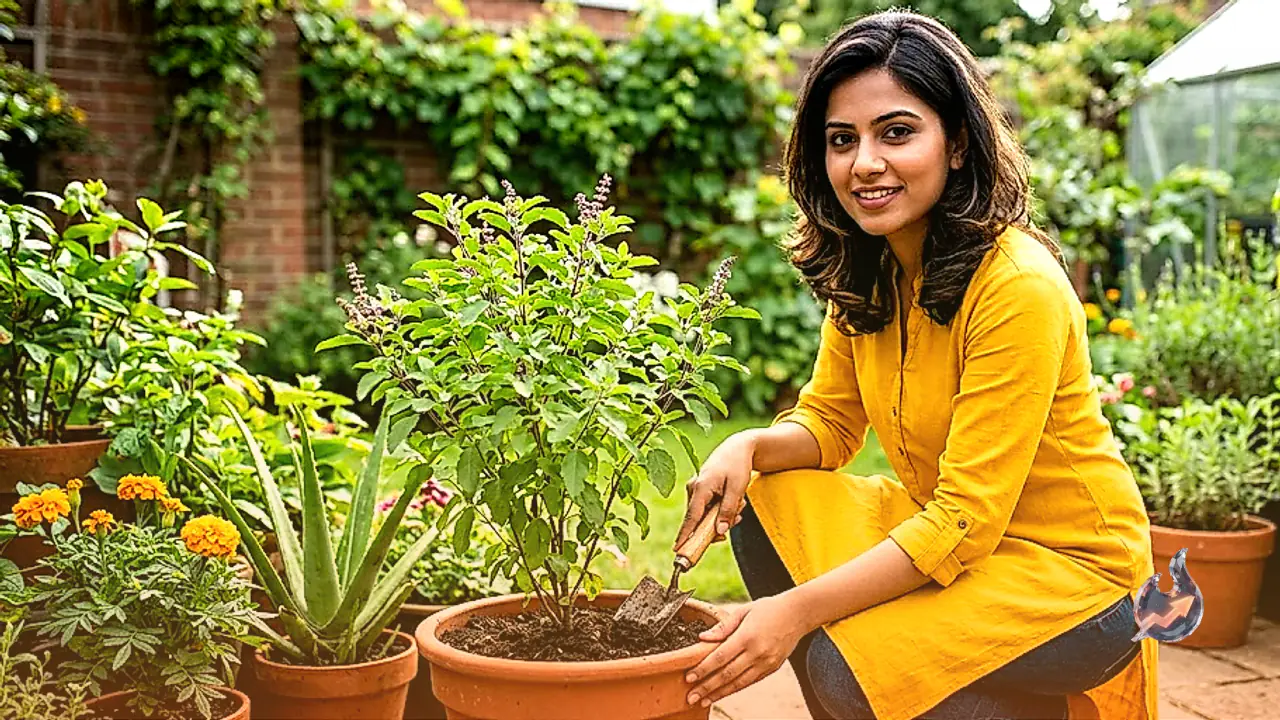





















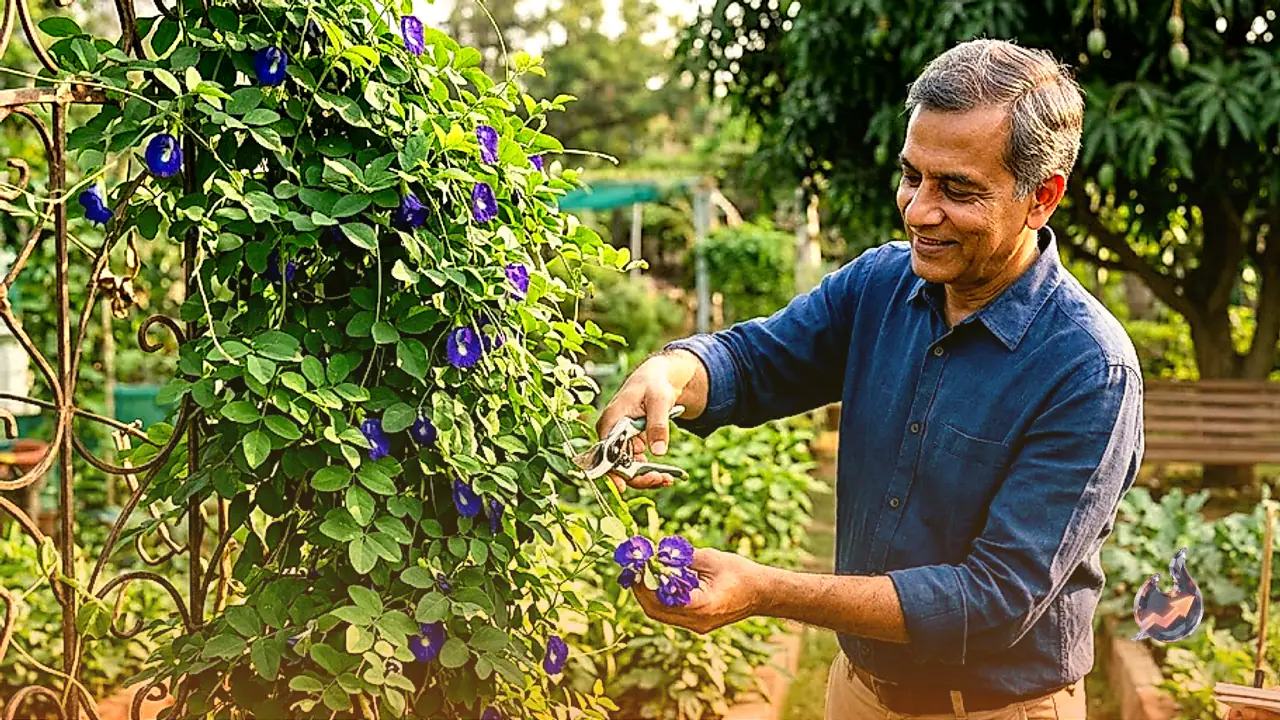

A lush Aparajita vine covered in vibrant blossoms is one of the most delightful additions to any home garden or terrace. Gardeners frequently observe that while the vine grows tall with dense green foliage, it often struggles to produce flower buds. Agricultural expert Dr. Ratan Kumar has outlined straightforward home gardening techniques to resolve this issue and boost flowering. He highlights that consistent exposure to sunlight, scheduled pruning, well-draining soil, and controlled applications of organic nutrients are essential for keeping the plant vigorous and productive.
Sunlight Requirements and Optimal Plant Placement
Sunlight serves as the primary fuel for flower production in the Aparajita vine. The plant should be placed in an outdoor or balcony area where it can receive around 5 to 6 hours of direct sun each day. When the plant is kept in deep shade, its growth may continue through stems and leaves, but flowering drops significantly. Without sufficient sunlight, the vine channels its resources solely into vegetative spread rather than budding.
Regular Pruning and Removing Spent Blooms
Pruning is a crucial step in maintaining the vine's health and stimulating flowering cycles. Gardeners should inspect the plant every 15 to 20 days and clip off old, dried, or unwanted stems. Trimming excess vegetative growth encourages the emergence of fresh shoots, which creates potential sites for new buds to form. Along with trimming branches, removing withered flowers and clearing dead leaves keeps the plant tidy. Removing spent blooms prevents the plant from diverting vital resources and allows new flower buds to develop under favourable conditions.
Enriching the Soil with Organic Compost
Since container soil quickly depletes its reserves, adding balanced nutrition is necessary to support healthy growth. Mixing a small amount of vermicompost or well-decomposed cow dung manure into the topsoil once a month provides steady nourishment. In addition, homemade fertiliser derived from banana peels can be introduced in moderate quantities to naturally support flower development and strengthen overall vine vitality.
Careful Use of Wood Ash and Alum Solutions
Certain home remedies require strict moderation to prevent damaging the root environment. Clean wood ash contains potassium along with other vital minerals, and a very light sprinkle can be worked into the soil. Excessive ash application, however, can alter the soil pH, meaning it must be used sparingly. Similarly, while some gardeners use diluted alum water, excessive quantities can harm both the root system and the surrounding soil. Relying on well-aerated soil and organic compost remains the safest and most reliable care routine.
Proper Watering Guidelines and Drainage
Aparajita thrives in soil that stays lightly moist rather than waterlogged. Water should be added only when the upper soil layer feels dry to the touch, avoiding permanently soggy conditions around the root ball. Ensure the container has adequate drainage holes at the bottom so excess moisture runs off immediately. Maintaining balanced soil moisture protects the root zone from rot and ensures uninterrupted seasonal blooming.