






















Live: Iran-U.S. Military Conflict Deepens with Drone Strikes on Kuwait Bases and American Retaliatory BombingLive
19 Jul 2026, 9:48 am (46 days ago)· 1

Live: Iran-U.S. Military Conflict Deepens with Drone Strikes on Kuwait Bases and American Retaliatory Bombing

Tensions in West Asia have escalated dramatically following reports from Iranian state media that a missile launched from Iran struck Aqaba Airport in Jordan. Concurrently, the Israeli military announced it identified and intercepted missiles fired toward Jordan's Aqaba region.

The Middle East is currently standing on the precipice of an unprecedented and highly destructive military crisis. The diplomatic tensions that have simmered for decades between the United States and Iran have now irreversibly transformed into a full-scale, direct military confrontation. A fatal attack on American troops stationed in Jordan has effectively ignited a powder keg across the region. The interim agreement, which was delicately crafted to establish peace between the warring factions, has entirely collapsed. Consequently, a widespread war has commenced, and its devastating flames are no longer confined strictly to American and Iranian assets. The severe repercussions of this conflict have aggressively breached the sovereign borders of neighboring nations, including Kuwait, Iraq, Jordan, and Bahrain. The skies across the Persian Gulf region are now continually echoing with the sounds of sophisticated missiles and kamikaze drones. This situation has evolved far beyond a bilateral dispute; it is a sprawling regional war that poses a catastrophic threat to the global economy and international security architecture. The relentless, large-scale bombardments executed by both sides clearly indicate that there is absolutely no prospect of this military conflict subsiding in the foreseeable future.

American Fatalities and Washington's Relentless Retaliatory Campaign

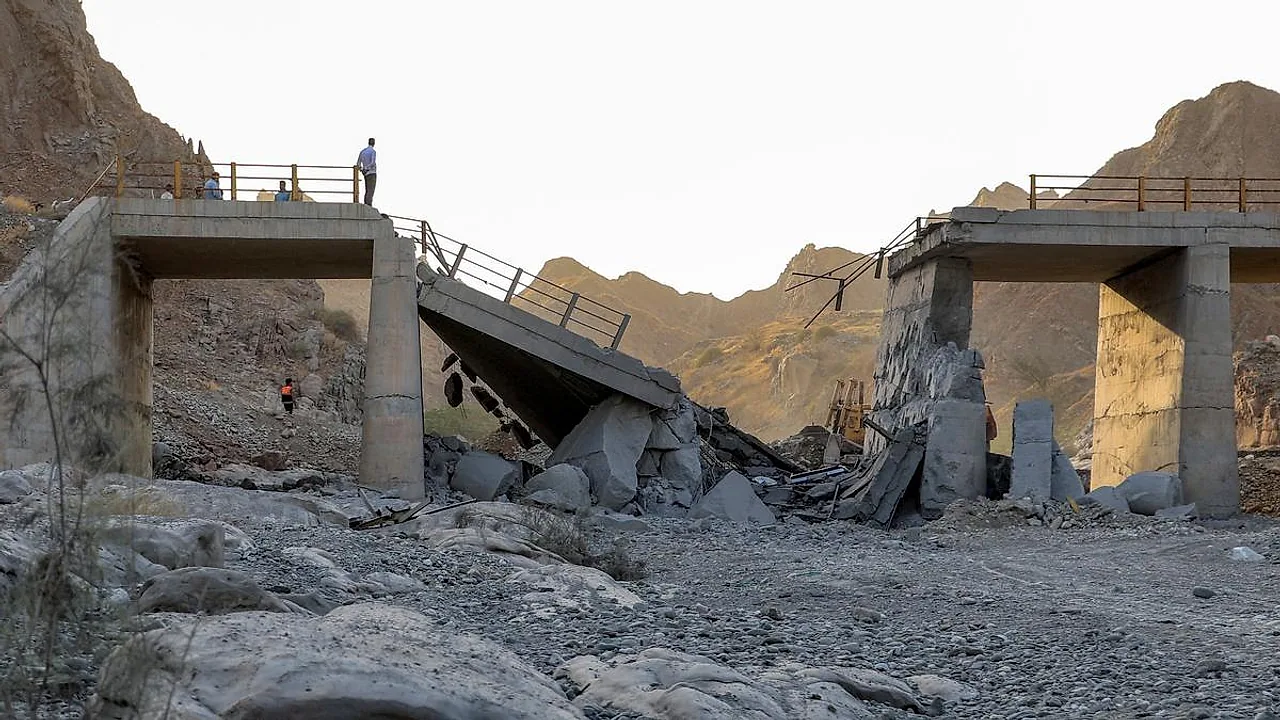
The genesis of this fresh and terrifying chapter of warfare can be traced back to July 17, when a massive attack occurred in Jordan. This strike inflicted severe casualties on the United States military and sent immediate shockwaves throughout Washington. The tragic incident resulted in the deaths of two American soldiers, while another service member remains officially listed as missing in action. Furthermore, four other soldiers sustained critical injuries and required immediate hospitalization for specialized medical treatment. This marked the first major and confirmed loss of American lives since the eruption of this new, open warfare in the Middle East. The gravity of this event compelled the American administration to authorize swift and extraordinarily harsh military countermeasures. On Sunday, the United States Armed Forces launched the most aggressive and freshest round of its retaliatory campaign against Iran. The primary objective of this expansive military operation was to deliver immediate and severe punishment to Iran's formidable paramilitary organization, the Revolutionary Guard. The US Central Command clarified that this relentless military campaign has now entered its eighth consecutive day. Washington's overarching intent is not merely to exact revenge, but to systematically dismantle the Iranian military capabilities that consistently challenge American strategic interests in the Gulf region. The United States Air Force has executed precision bombing runs on several strategic bridges, major power plants, and other critical infrastructure targets within Iran. According to the US Department of Defense, these targeted airstrikes have successfully decimated Iran's coastal surveillance systems, advanced air defense networks, maritime warfare capabilities, and vast storage facilities housing ballistic missiles and attack drones. A crucial underlying objective of this entire operation is to severely cripple Iran's logistical ability to disrupt the vital movement of commercial oil tankers navigating through the Strait of Hormuz.

Also read

Tehran's Bold Counter-Offensive: Penetrating Kuwait's Defenses

Iran has spared no effort in delivering a ferocious response to the massive American bombardments. Rapidly expanding its military strategy, Tehran has begun directly targeting nations that host active American military installations. The Iranian military officially issued a statement broadcast on state television, proudly claiming to have executed large-scale aerial assaults on two highly critical American military bases situated on Kuwaiti soil. This aggressive maneuver was explicitly framed as a direct retaliation for the American strikes conducted on Iranian territory. According to the detailed statement from the Iranian armed forces, this specific military operation utilized modern, highly destructive kamikaze drones. These unmanned aerial vehicles precisely targeted the vast ammunition depots located at the renowned Camp Udairi. Simultaneously, lethal strikes were directed at the Ali Al Salem Air Base, specifically aiming to obliterate the sophisticated Patriot radar systems and critical air surveillance radar installations stationed there. This deliberate escalation is a core component of Iran's broader aggressive strategy, designed to send an unequivocal message to America's regional allies: supporting US military operations will incur an unbearably heavy price. Meanwhile, Tehran has maintained strict operational secrecy, completely refusing to publicly disclose any comprehensive data regarding the military losses it has sustained from the American bombing campaign. Iran continues to broadcast ominous signals suggesting it may further widen the geographical scope of its retaliatory strikes, thereby plunging the entire region into a deep state of pervasive fear.

The Kuwaiti Infrastructure Crisis: Power and Water Under Siege

The nation of Kuwait is arguably bearing the most severe brunt of this escalating proxy war of dominance between Iran and the United States. Kuwait's armed forces have been forced to confront a heavy barrage of missiles and drones fired by Iran for the second consecutive day. Warning sirens have been wailing incessantly across Kuwait City, a terrifying reality confirmed by multiple international correspondents reporting directly from the ground. The Kuwaiti air defense system is operating under extreme duress as it actively attempts to counter Iran's relentless aerial aggression. In an official statement, the Kuwaiti military strongly condemned these continuous bombardments, explicitly characterizing them as Iran's sinister aggression. The most alarming aspect of this escalation is that the targets are no longer strictly confined to military bases; the country's vital civilian infrastructure has now been violently drawn into the crossfire. The Kuwaiti Ministry of Electricity, Water and Renewable Energy released a detailed statement on the X platform, confirming that a critically important power and water desalination plant had been struck by Iranian drones for the second time in two days. This horrific attack ignited massive fires across several essential units of the power station. Battalions of firefighters and emergency response teams are working tirelessly around the clock to extinguish the blazes and stabilize the volatile situation. Iran's calculated strategy to destroy Kuwait's power plants and water purification facilities has placed the daily lives of citizens in that small, oil-rich nation under severe threat. In the immediate aftermath of these strikes, the neighboring United Arab Emirates issued a stern overnight warning regarding the rapidly deteriorating security environment across the Gulf.

The Strait of Hormuz Chokepoint: A Global Energy Flashpoint

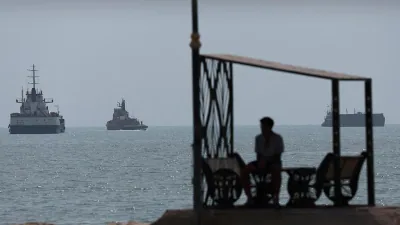
The absolute epicenter of this sprawling regional conflict has solidified around the Strait of Hormuz. This incredibly narrow waterway, located at the very mouth of the Persian Gulf, stands as the most strategically vital maritime chokepoint in the world. During times of peace, approximately one-fifth of the entire global trade in crude oil and natural gas transits exclusively through this critical passage. Both the United States and Iran are locked in a direct, high-stakes confrontation to establish absolute dominance over this maritime artery. This escalating conflict has triggered a severe crisis for international commercial shipping. On Sunday, Iran's Islamic Revolutionary Guard Corps issued an official statement declaring that two commercial vessels had fallen victim to an accident in this highly volatile environment. According to a detailed report by the semi-official Tasnim news agency, these ships had allegedly attempted to navigate through a route deemed unsafe by Iranian authorities. Two other vessels, observing the escalating danger on the same path, completely refused to proceed and abruptly halted their voyage. The IRGC leveled direct accusations against all four vessels, claiming they had deliberately ignored explicit warnings from the Iranian navy and were operating under the direct support and guidance of the United States. In a remarkably harsh declaration, the IRGC explicitly warned that any ships that succumb to American influence and traverse unsafe maritime routes will inevitably face similar disastrous accidents in the future. This highly volatile situation has injected massive panic directly into global oil markets.

Nuclear Anxieties Ignited: The Strike on Darkhovin

A terrifying new chapter regarding the safety of nuclear facilities has been violently added to the raging fires of this war. The Atomic Energy Organization of Iran made a highly alarming announcement broadcast on state television this Sunday. The organization explicitly claimed that the United States military had launched a direct attack on the Darkhovin nuclear power plant, a facility currently under construction in the southwestern region of the country. The official statement forcefully alleged that American forces, in a blatant violation of international law, had fired multiple destructive projectiles at the nuclear installation. Iran immediately condemned the strike, characterizing it as an aggressive and profoundly barbaric act. These severe claims gained further credibility when reports from Reuters confirmed that loud, massive explosions had been clearly heard echoing across the Iranian city of Abadan. This specific development has severely rattled the international community, robbing global diplomats of their sleep. The United Nations' International Atomic Energy Agency immediately launched an urgent investigation into the reports of this alleged overnight attack. In an effort to clarify the situation, the agency explicitly stated that the Darkhovin project was still in its very preliminary and foundational stages of construction. The IAEA emphatically confirmed that during their last international inspection, absolutely no radioactive or nuclear materials were present at the site. Nevertheless, witnessing this unprecedented level of military tension, the nuclear watchdog agency issued an urgent appeal to all involved parties to exercise the maximum possible restraint before a catastrophic miscalculation occurs.

The Jordanian Front: Intercepted Missiles and Diplomatic Outrage

This expanding war has also severely challenged the territorial sovereignty of Jordan. Jordanian airspace has effectively been transformed into a primary transit corridor for ballistic missiles exchanged between Iran and Israel. On Sunday, Jordan's armed forces successfully engaged and destroyed three incoming Iranian missiles in mid-air, which were actively targeting the kingdom's territory. A fourth missile bypassed defenses but ultimately crashed into a remote and completely deserted area of the country. A senior military official officially confirmed that these alarming incidents resulted in absolutely no human casualties and caused no physical property damage within Jordan. Furthermore, in an unprecedented display of joint military coordination, Israeli and Jordanian military forces successfully intercepted and shot down a highly dangerous Iranian missile that was specifically fired toward the historic Jordanian city of Aqaba. According to extensive reports from Israeli media, fragments of this intercepted missile rained down upon the premises of the Aqaba airport, a dramatic event whose impact was clearly visible from just across the border in the southern Israeli city of Eilat. Alert sirens have been wailing continuously across the Jordanian capital of Amman and various other parts of the kingdom, a grim reality confirmed by reporters on the ground and the state broadcaster Al-Mamlaka TV. In direct response to this blatant aggression, the Jordanian Foreign Ministry immediately summoned the Iranian Charge d'Affaires stationed in Amman. Jordan issued a severe condemnation, vehemently protesting the unjustified and open attacks on its sovereign territory, as well as the highly provocative statements emanating from Tehran. Meanwhile, the Jordanian government firmly denied widespread rumors claiming that the Aqaba airport and seaport had been ordered to evacuate. Although the US Embassy in Amman had previously issued a public warning citing a specific and credible threat, Jordanian officials completely clarified that no such official evacuation order had ever been issued.

Iraq's Complex Battlefield: Drone Explosions and Kurdish Casualties

The sovereign soil of Iraq continues to serve as one of the primary active battlefronts in this escalating war. On Sunday, July 19, the United States military disclosed details regarding a deeply tragic incident. Washington reported that an American military service member was killed on Saturday, July 18, during a highly controlled explosion of a dangerous Iranian drone that had been previously shot down over Iraqi territory. Following this tragic new loss of life, the total number of American military personnel who have perished in this brutal, ongoing conflict with Iran has now officially reached 17. According to data compiled by the Associated Press, over 430 American troops have sustained injuries throughout this broader confrontation, starkly highlighting the immense brutality and human cost of this war. Concurrently, the Kurdistan region situated in the northern part of Iraq also experienced severe violence. This specific area has historically served as a major operational hub for US troops as well as exiled Iranian Kurdish fighters, making it a frequent target for Iranian military planners. At approximately 02:00 am on Sunday night, Iranian forces launched a devastating drone strike near the city of Erbil. This aggressive attack severely injured eight active members of the exiled opposition group known as the Kurdistan Freedom Party. Adib Khalidian, a senior leader of the party, placed the blame squarely and directly on Iran for executing this cowardly assault. Iraq's national sovereignty is being continuously crushed under the weight of this massive proxy war waged between Iran and the United States.

Bahrain's Defensive Perimeter and Israel's Strategic Readiness

An atmosphere of extreme panic has also completely enveloped the small but strategically vital island nation of Bahrain in the Persian Gulf. This country serves as the crucial home base for the United States Navy's powerful Fifth Fleet. On Sunday, incredibly loud air raid sirens echoed relentlessly throughout the capital city of Manama. The Bahraini Interior Ministry immediately issued an emergency public statement, urgently appealing to all citizens and expatriate residents to remain calm and immediately seek shelter in the nearest safe locations. Activating its advanced air defense systems, the Bahraini military successfully intercepted and destroyed multiple treacherous airstrikes launched by Iran before they could strike their intended targets. On another critical front, Israel is rapidly accelerating its military preparations to confront any possible scenario arising from this explosive regional war. During a comprehensive tour of a national rescue service center, Israel Katz, the Israeli Defense Minister, issued a remarkably clear and incredibly stern warning. He unequivocally stated that if Iran has the audacity to fire missiles onto Israeli soil, the Israeli Defense Forces will retaliate with absolute full force and utter ruthlessness. He further clarified that even if there are unexpected shifts in American diplomatic policies, Israel remains fully prepared and highly capable of executing both defensive and devastating offensive military actions directly against Tehran. To substantially bolster this Israeli state of readiness, Washington has initiated a major shift in its military force posture across the region. An Israeli military official officially confirmed that the United States is actively reinforcing the aerial refueling fleet currently stationed in Israel by deploying additional, advanced refueling aircraft to the area.

Diplomatic Maneuvers Amidst Chaos and the Politics of Sanctions

While lethal missiles continue to rain down across the battlefields, a frantic flurry of activity is taking place within the diplomatic corridors. Lebanon is desperately attempting to shield itself from the scorching heat of this expanding war. On Sunday, US Secretary of State Marco Rubio held a highly significant and critical meeting with Lebanese President Joseph Aoun in Washington. This crucial encounter occurred immediately following a fresh round of high-stakes negotiations between Lebanon and Israel that had just concluded in Italy. This marks the very first occasion a Lebanese head of state has officially visited Washington since former President Michel Suleiman met with Barack Obama back in 2009. Joseph Aoun is also scheduled to hold a separate, highly anticipated meeting with American President Donald Trump on July 21. These intense discussions will focus heavily on the incredibly complex issues of forging a permanent ceasefire in Lebanon and ensuring the complete withdrawal of Israel from all occupied Lebanese territories. On the front of regional diplomacy, Iraqi Prime Minister Ali al-Zaidi is also officially scheduled to travel to the Iranian capital of Tehran within the coming week. According to the Iraqi state news agency, the primary objective of this high-level visit is to sign various strategic agreements and memorandums designed to significantly enhance cooperation between the two neighboring nations. The deafening echoes of this war are also resonating deeply within the internal political landscape of the United States. President Donald Trump has strongly urged Republican lawmakers to forcefully include Iran under severe, crippling penalties within the framework of a new sanctions bill that is primarily focused on Russia. Amidst all this massive regional upheaval and rapidly deteriorating security conditions, the Indian Embassy located in Iran has demonstrated immense proactivity by issuing a new, highly revised security advisory, strictly instructing all its citizens residing in the country to maintain maximum vigilance at all times.
ENDED

Closed

  1. American soldier killed in Iraq during controlled explosion of downed Iranian UAV

    The American armed forces announced on Sunday (July 19) that a U.S. troop member lost their life on Saturday (July 18) in Iraq. The incident occurred during a controlled demolition of a downed drone belonging to Iran. This tragic news comes barely twenty-four hours after the military reported that two other American troops were killed in Jordan following an Iranian strike on a military outpost. With Sunday's (July 19) confirmation, the total number of American military fatalities has reached 17 in the ongoing hostilities with Iran. Additionally, over 430 U.S. soldiers have sustained injuries, according to reports by AP.
  2. Israel warns of retaliation with 'full force' against any Iranian aggression

    Israel's Defence Minister announced today that his nation is prepared to strike back with immense strength against any potential Iranian attack. This statement follows a joint effort by Israeli and Jordanian defense forces to intercept an Iranian missile aimed at Aqaba, a city in Jordan. During his visit to an emergency response facility, Israel Katz asserted, "If Iran launches missiles at Israel, we will strike them back with absolute force." He further observed, "Should there be any shift in the United States' policy, which is a real possibility, we are fully equipped for both defensive and offensive maneuvers" directed at Tehran.
  3. Iraqi Prime Minister scheduled to visit Tehran this week, reports state news agency

    Ali al-Zaidi, the Prime Minister of Iraq, is scheduled to travel to Tehran within the coming week, as reported by the official Iraqi news agency today. The state media added that during this official visit, the Prime Minister will sign several agreements and memoranda of understanding in the Iranian capital to boost bilateral cooperation.
  4. Indian Embassy in Iran issues updated security advisory

    In response to the deteriorating security conditions across West Asia, the Indian Embassy situated in Iran has issued a fresh travel and security advisory for its nationals.
  5. Jordan Summons Iranian Envoy, Denounces 'Unjustified' Attacks on Its Territory

    Jordan's Ministry of Foreign Affairs announced today that it had called in Iran's charge d'affaires stationed in Amman to lodge a formal protest against what it characterised as "unjustified and blatant Iranian attacks" and "provocative and inflammatory statements" directed at the Kingdom's territory. Over the course of the past week, Jordan has repeatedly stated that it intercepted Iranian missiles transiting its airspace, including three projectiles that its military shot down on the same day as the diplomatic summons. — Reuters
  6. UN nuclear watchdog urges calm after Iran says U.S. struck unfinished power plant

    The UN's atomic energy oversight body on Sunday called on all sides to show restraint, hours after Iran's Atomic Energy Organization announced that American forces had struck a nuclear power plant that is still being built in the country's southwestern region. Washington and Tehran have been caught in a tightening spiral of tit-for-tat attacks over recent days. The United States launched a new wave of airstrikes on Sunday with the stated purpose of holding Iran to account for the deaths of two American service members in Jordan on Friday, July 17 — the first confirmed U.S. casualties since both nations returned to open warfare in the wider West Asia conflict. Iran's Atomic Energy Organization, in a statement aired on state television, charged American forces with committing "an aggressive and brutal act contrary to international law" by hitting the Darkhovin nuclear power plant — a facility that remains unfinished — with multiple projectiles on Sunday.
  7. Rubio holds talks with Lebanon's Aoun in Washington; Trump meeting slated for July 21

    American Secretary of State Marco Rubio held talks with Lebanese President Joseph Aoun in Washington on Sunday, a State Department spokesperson confirmed to AFP, following the close of the latest round of Lebanon-Israel negotiations held in Italy. The visit marks the first time a Lebanese head of state has traveled to Washington since Michel Sleiman met then-President Barack Obama there in 2009. Mr. Aoun's office said he is scheduled to sit down separately with President Donald Trump on July 21. The office noted that the discussions would address both the prevailing situation in Lebanon and avenues to strengthen the ceasefire, along with the question of Israel's withdrawal from Lebanese territories it currently occupies.
  8. Explosion sounds reported from Iran's Abadan

    Iran's state-run media has reported that sounds resembling an explosion were heard in the city of Abadan. — Reuters
  9. Iranian missile strikes Jordan's Aqaba Airport

    According to Israeli media reports, an Iranian missile came down on Jordan's Aqaba Airport. The impact was clearly visible from the Israeli city of Eilat, which sits just across the border.
  10. U.S. launches airstrikes to punish Iran after American troops killed

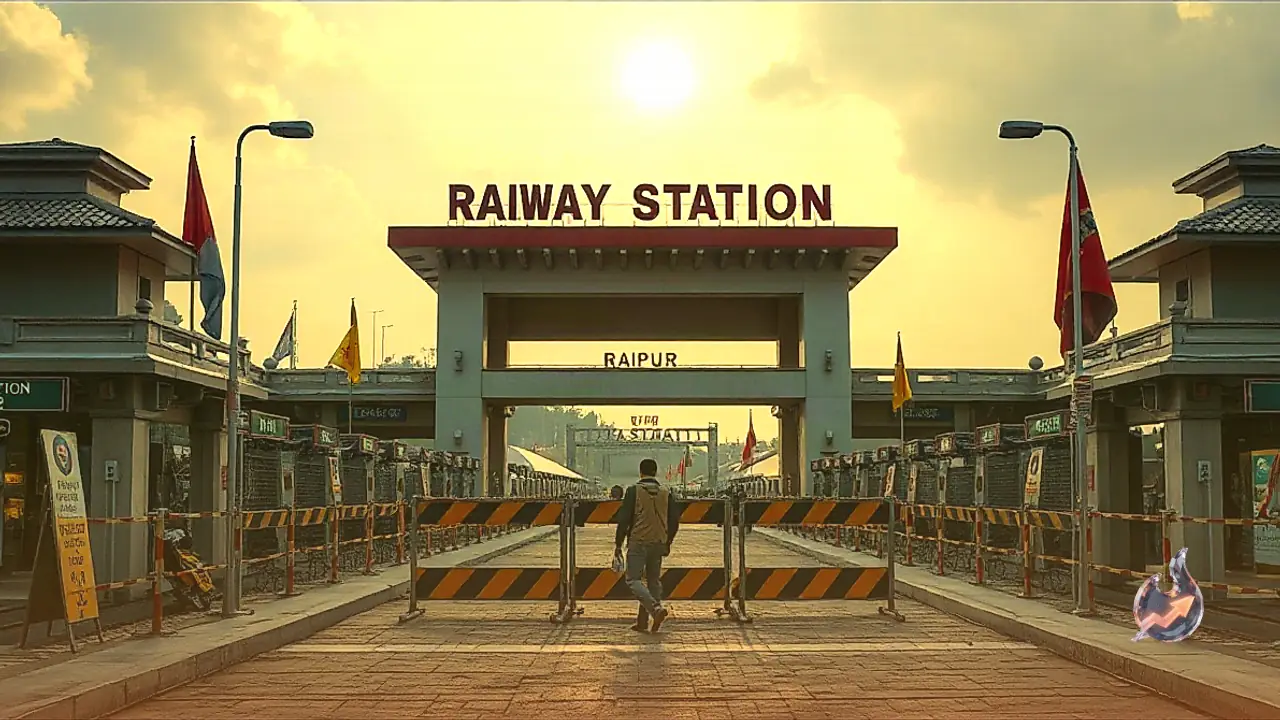
    The United States today carried out airstrikes against Iran, describing the operation as punishment for the deaths of American troops — the first U.S. military fatalities since hostilities flared up openly in West Asia. Iran responded swiftly, claiming it had struck two American military installations in Kuwait in retaliation for more than a week of mounting U.S. attacks. Tehran says those attacks included strikes on an airport, a railway station and several bridges. Meanwhile, an early-stage deal aimed at bringing the war to an end has unravelled, as both sides press for the upper hand over the Strait of Hormuz — a sea passage whose control is pivotal to the global oil trade. — AFP
  11. Jordan brings down three Iranian missiles; fourth lands harmlessly in remote zone

    Jordan's state news agency confirmed that the country's armed forces brought down three Iranian missiles that had been aimed at the kingdom, while a fourth projectile came down in a remote, uninhabited stretch of land. Quoting a military official, the agency said the episode resulted in no casualties and caused no material damage whatsoever.
  12. IAEA investigates alleged overnight strike at Iran's Darkhovin nuclear plant construction site

    The International Atomic Energy Agency announced today that it has begun looking into accounts of an attack carried out overnight at the site where Iran's planned Darkhovin nuclear power plant is under construction. The agency said the facility was at a very preliminary stage of being built and had no nuclear material on site at the time of its most recent inspection.
  13. Israel: Joint Israeli-Jordanian effort intercepts Iranian missile aimed at Aqaba

    Israel's military told AFP that its troops, working in tandem with Jordan's forces, had successfully shot down an Iranian missile that was headed for the Jordanian city of Aqaba. When AFP asked about explosion reports from around the Israeli city of Eilat, an army spokeswoman stated that both Israel and Jordan had together brought down the incoming projectile.
  14. Sirens wail across Jordan's capital and kingdom as US-Iran strikes intensify

    An AFP correspondent on the ground reported that air-raid sirens rang out in Jordan's capital city of Amman as the exchange of drone and missile attacks between the United States and Iran escalated. The Jordanian state broadcaster Al-Mamlaka also reported that alert sirens had been set off in various parts across the kingdom.
  15. IDF spots missiles from Iran heading to Jordan's Aqaba, flags potential impact on southern Israel

    Israel's military said today it had tracked the launch of missiles from inside Iranian territory, directed toward the Jordanian city of Aqaba, which borders Israeli land. The army also warned that the strikes could potentially spread into southern Israel. Jordanian state television reported that sirens had begun sounding throughout the country.
  16. Trump urges Republicans to bring Iran into Russia sanctions legislation

    United States President Donald Trump on Saturday urged Republican lawmakers to expand the Russia sanctions bill by bringing Iran into its scope as well.
  17. Israel set to receive additional US aerial refuelling aircraft as Iran strikes intensify, officials say

    An Israeli military official said today that Israel is preparing to take delivery of more US aerial refuelling aircraft, as military operations between the United States and Iran have significantly stepped up over the past week. The two countries have ramped up strikes against each other since a temporary ceasefire agreement concluded a month ago fell apart, raising the prospect of a return to full-scale war. Israel has not taken part in the latest round of American strikes. The Israeli official confirmed that Washington had "decided to adjust its force posture in the region" and would be bolstering the existing fleet of aerial refuelling aircraft already based in Israel with additional planes. — Reuters
  18. Kuwait says fresh Iranian strike on power and water plant sparks fire for second day running

    Kuwaiti authorities confirmed today that a power and water facility was struck by Iran for the second day in a row, as Tehran continues its retaliation against American military strikes across the Gulf region. Kuwait's Ministry of Electricity, Water and Renewable Energy posted a statement on X condemning what it called the "heinous Iranian aggression," saying the power and water desalination plant had been attacked for the second time in two days, setting parts of the station ablaze. The ministry added that firefighting crews were working to bring the fire under control. — AFP
  19. Jordan denies issuing evacuation order for Aqaba airport or seaport

    Jordan's government spokesperson, as cited by the state news agency, stated today that authorities had not taken any decision to evacuate the airport or seaport in Aqaba, and that no potential threats had been detected in the area during the past several hours. The clarification followed an earlier statement by the US Embassy in Amman, which had said that Aqaba's international airport and seaport had been cleared due to a "specific and credible threat," without offering any further details. — Reuters
  20. Iran accuses US of attacking under-construction nuclear power plant in its southwest

    Iran's Atomic Energy Organization announced today that US forces had struck an under-construction nuclear power plant in the southwestern part of the country, as the military confrontation between Tehran and Washington continues to deepen. In a statement carried by state television, the organisation said American forces had fired "a number of projectiles" at the Darkhovin nuclear power plant — which remains unfinished — on Sunday, describing the strike as "an aggressive and brutal act contrary to international law." — AFP
  21. Two ships meet with 'accident' in Strait of Hormuz after brushing aside Iran Guards warnings

    Iran's Islamic Revolutionary Guard Corps announced on Sunday that two vessels suffered an 'accident' after they attempted to navigate the Strait of Hormuz through what it called an 'unsafe route,' while two other ships headed for that same corridor turned back without proceeding. The semi-official Tasnim news agency carried the report. The Guards alleged that all four ships had disregarded Iranian warnings and were acting under American direction. 'Vessels that heed the Americans and enter dangerous routes will inevitably run into accidents,' the Guards warned in a formal statement.
  22. Kuwait and Bahrain scramble air defences against Iran's aerial barrage

    The armed forces of Kuwait and Bahrain confirmed on Sunday that they were actively countering Iranian aerial attacks, as air raid sirens rang out across both Gulf nations while Tehran pushed forward with its retaliatory strikes throughout the region. Kuwait's military said in a statement that its air defence units were presently battling 'hostile missile and drone attacks,' describing the onslaught as part of what it termed 'sinful Iranian aggression.' An AFP journalist on the ground in Kuwait City reported hearing the warning sirens sound across the capital. Bahrain, the small island kingdom that serves as home base for the U.S. Fifth Fleet, said its air defence systems had confronted, intercepted, and destroyed several of what it described as 'treacherous Iranian aerial attacks' directed at the country.
  23. Air Raid Sirens Blare Across Bahrain, Interior Ministry Urges Public to Find Shelter

    Air raid sirens sounded across the small Gulf kingdom of Bahrain on Sunday as Iran and the United States continued to exchange fresh blows in their struggle for dominance over the strategically crucial Strait of Hormuz. Bahrain's interior ministry issued a public statement saying, "The siren has been sounded. Citizens and residents are urged to remain calm and head to the nearest safe place." An AFP journalist on the ground independently confirmed that the warning signals had gone off in the country's capital, Manama.
  24. Drone Strike Wounds 8 Iranian Kurdish Rebels in Iraq, Exiled Opposition Group Reports

    Eight members of an Iranian Kurdish rebel organisation were injured in a drone strike that struck Iraq's Kurdistan region on Sunday, an exiled opposition group announced, laying the blame squarely on Iran. Northern Iraq's Kurdistan region has been repeatedly hit during the ongoing Middle East conflict. The area functions as a base for U.S. troops and foreign oil companies, and also hosts communities of exiled Iranian Kurdish fighters — all of whom have faced attacks carried out by Iran and by Iraqi armed groups operating within Tehran's sphere of influence. The renewed bloodshed in Kurdistan comes as the resumption of fighting between Washington and Tehran has reignited. Adib Khaldian of the exiled Kurdistan Freedom Party (PAK) told AFP that "at 02:00 a.m. (2300 GMT Saturday), Iranian forces attacked with a drone," targeting a camp belonging to the party situated near Erbil.
  25. U.S. Hits Iran's Revolutionary Guard to Avenge Killing of American Troops in Jordan

    U.S. forces launched airstrikes on Sunday against Iran's paramilitary Revolutionary Guard in retaliation for the deaths of American troops in Jordan, sharply escalating the military confrontation between the two countries even as a provisional agreement intended to end the war has disintegrated. The strikes form part of a week-long campaign that erupted over the battle for control of the Strait of Hormuz and has since pulled U.S.-allied nations across the Middle East into the crossfire. Washington has already bombed bridges, electrical facilities, and other targets inside Iran, while Tehran responded by hitting Kuwait's power plants and water desalination infrastructure, placing daily life in that small, oil-rich desert nation in serious jeopardy. Iran has also signalled its intent to push its strikes further afield, a threat that drew a sharp overnight warning from the United Arab Emirates.
  26. Kuwait's air defences take on a fresh wave of Iranian missile and drone attacks

    Kuwait's armed forces announced Saturday that they are actively engaged in countering a fresh round of aerial attacks launched by Iran — coming just one day after the Gulf nation absorbed Iranian barrages that damaged both a power station and an oil installation. The military issued a statement declaring that "Kuwaiti air defences are currently confronting hostile missile and drone attacks, following the sinful Iranian aggression," while an AFP journalist on the ground reported warning sirens sounding across Kuwait City.
  27. U.S. military strikes Iran's Revolutionary Guard over attack that killed American troops in Jordan

    The U.S. military announced Saturday that it has completed its most recent round of airstrikes against Iran, a campaign that included striking Iran's paramilitary Revolutionary Guard in retaliation for an Iranian attack that took the lives of American service members in Jordan. The U.S. military's Central Command said in its statement that the strikes also hit Iranian military facilities for coastal surveillance and air defence, as well as maritime assets and sites used to store missiles and drones. Tehran has released no comprehensive tally of the military equipment and assets it has lost during the American campaign, which has now stretched into its eighth consecutive day as the two nations contest dominance over the Strait of Hormuz — the narrow passage at the mouth of the Persian Gulf through which roughly one-fifth of the world's traded oil and natural gas flows during peacetime.
  28. U.S. Military Carries Out Fresh Airstrikes on Iran to 'Swiftly Punish' Revolutionary Guard Over Troop Deaths

    The U.S. Armed Forces announced fresh aerial strikes on Iran on Saturday, saying the action was intended to 'swiftly punish' Tehran's Revolutionary Guard Corps over an attack in Jordan that killed two American soldiers, left one service member unaccounted for, and sent four others to hospital. U.S. Central Command said the strikes were calibrated to further erode Iran's capacity to choke off oil tanker traffic through the Strait of Hormuz. Read more: American forces launched airstrikes on Iran in response to the killing of U.S. troops, with the operations aimed at breaking Tehran's grip on oil traffic control.
  29. Iran's Military Claims Drone Strikes on Two U.S. Bases in Kuwait: State TV

    The Iranian Army stated on Saturday that it had struck two American military installations in Kuwait using drone attacks, framing the operation as payback for U.S. bombardment of Iranian territory. A statement aired by state television quoted the army as saying it had carried out "large-scale attacks with kamikaze drones" against the ammunition depot at Camp Udairi, as well as the Patriot radar and air-surveillance radar systems situated at Kuwait's Ali Al Salem Air Base. -AFP

Questions & Answers

What incident in Jordan triggered this massive military escalation?
Two US soldiers were killed, one went missing, and four were severely hospitalized following an attack in Jordan, prompting the United States to launch widespread retaliatory strikes against Iran.
How has Iran responded to the American airstrikes?
In retaliation, Iran launched massive strikes using kamikaze drones targeting two major US military bases in Kuwait: the Camp Udairi ammunition depot and the Ali Al Salem Air Base.
Was an Iranian nuclear power plant targeted in the conflict?
Yes, the Atomic Energy Organization of Iran confirmed that US forces fired multiple projectiles at the under-construction Darkhovin nuclear power plant located in southwestern Iran.
What happened to the commercial vessels in the Strait of Hormuz?
According to Iran's Islamic Revolutionary Guard Corps, two ships met with an accident after ignoring warnings about unsafe routes in the Strait of Hormuz, while two others halted their progress.
What is the total number of US military casualties in this conflict so far?
The conflict has claimed the lives of 17 US military personnel, including a soldier killed during the controlled detonation of a downed Iranian drone in Iraq on July 18, with over 430 troops injured.

Comments 0

No comments yet — be the first.

Citizen journalism

Become a TrendKia journalist

Voice of the people

Share news, photos and videos from your area with TrendKia and let your voice reach the nation. Every citizen a journalist.

Join now
CH 01 LIVE
TrendKia TV ON AIR