






















With upcoming midterm elections approaching, House lawmakers are formulating comprehensive oversight strategies to ensure executive branch compliance during future legislative terms. Rather than relying solely on traditional legal channels, congressional aides and key committee leaders are planning to utilize the constitutional power of the purse to compel officials within Donald Trump's inner circle to honor congressional subpoenas. By linking federal appropriations directly to administration cooperation, lawmakers hope to create immediate financial consequences for any refusal to comply with oversight inquiries.
Targeting High-Profile Vanity Projects for Oversight Leverage
Central to this emerging strategy is the potential defunding of major architectural and renovation initiatives favored by Donald Trump. Congressional committee aides have noted that personal vanity projects represent a unique area of vulnerability and focus for the administration. Proposed targets for potential funding cuts include future West Wing renovations as well as plans for a triumphal arch in Washington. If administration officials refuse to respond to subpoenas, ignore congressional directives, or attempt to rename or modify federal structures without approval, lawmakers plan to restrict or eliminate appropriations designated for these high-profile construction efforts.
Judiciary Committee Pushback After Supreme Court Ballroom Ruling
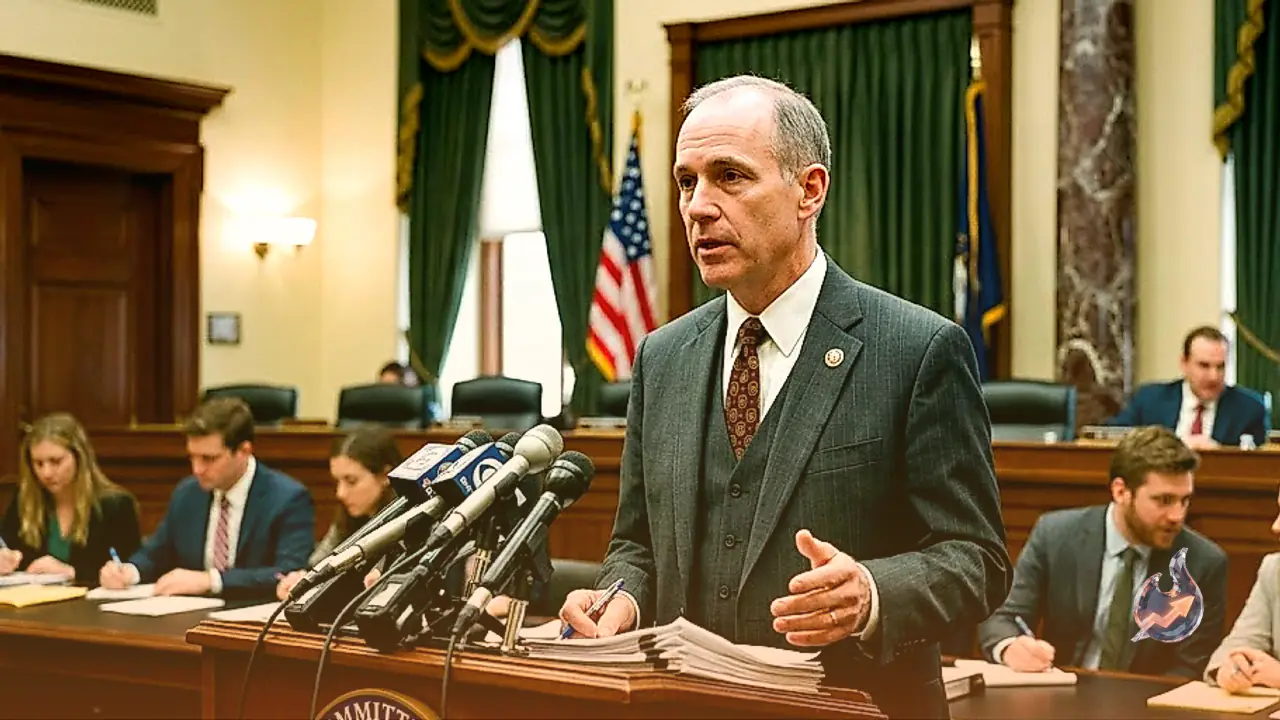
The push to leverage appropriations gained momentum following a sharply divided decision by the Supreme Court that permitted Donald Trump to proceed with building a ballroom. In response to questions regarding congressional recourse, Representative Jamie Raskin, the top Democrat on the House Judiciary Committee, emphasized that funding control remains the most effective tool to prevent unauthorized structural changes. Paraphrasing Raskin's point, the authority to allocate funds for the White House rests entirely with Congress, meaning a president cannot unilaterally decide to demolish portions of federal landmarks. Raskin firmly declared, "We have the power of the purse, and we will make sure Donald Trump doesn’t destroy any other federal buildings or landmarks."
Overcoming Historical Subpoena Battles and Court Delays
The decision to pursue budgetary leverage stems from long-standing frustrations with the judicial enforcement of congressional subpoenas. Pursuing subpoena compliance through federal courts historically takes years to resolve as cases move slowly through the federal district court in Washington and proceed through lengthy appeals. This structural delay was demonstrated during Donald Trump's first term when executive privilege was asserted for former White House counsel Don McGahn. Despite being issued a congressional subpoena, McGahn never testified before Congress while Trump remained in office, highlighting how delayed legal proceedings can undermine congressional oversight.
Exploring Monetary Fines and Expedited Judicial Panels
To make noncompliance increasingly unappealing, congressional aides are analyzing several alternative enforcement mechanisms. One proposal under consideration involves modifying House rules to invoke inherent contempt powers, which would allow Congress to levy cumulative monetary fines against officials who ignore subpoenas. Concurrently, legal experts suggest that establishing meaningful enforcement requires legislative reform to fast-track judicial review while a president is still in office. A widely discussed proposal involves creating a specialized federal district court panel to hear subpoena disputes, with any subsequent appeals escalating directly to the Supreme Court.
Executive Enforcement Limits and the Ultimate Dilemma
Even with expedited court procedures, legal experts acknowledge that judicial mechanisms face inherent limitations. Because the Justice Department is responsible for prosecuting criminal subpoena noncompliance, it remains practically impossible to force the department to prosecute officials from its own executive branch. Consequently, combining legislative reform with direct budgetary restrictions on major construction initiatives is viewed as the most potent option available. Ultimately, administration officials may be forced to choose between fulfilling congressional subpoena requests or seeing funding withheld from ambitious architectural projects.