

















Live: Iran warns it will attack regional energy assets if America launches new strikesLive
2 Aug 2026, 7:51 am (45 days ago)· 2

Live: Iran warns it will attack regional energy assets if America launches new strikes

The U.S. President indicated that American forces will pause fresh strikes on Iran, claiming regional partners have established terms for a peace deal. Meanwhile, Iranian outlets have refuted assertions that Tehran appealed to Washington to refrain from military actions.

Diplomatic activity in the Middle East has intensified significantly amid mounting fears of an all-out regional conflict and severe disruptions to the global energy market. Fearing that escalating strikes could spill over into vital civilian and industrial infrastructure, regional powers are actively intervening to prevent a broader military confrontation. Saudi Arabia's de facto ruler, Crown Prince Mohammed bin Salman, personally communicated with US President Donald Trump to express serious concerns over proposed military escalations against Tehran. In response to appeals from several regional capitals and Iranian diplomatic channels, Washington and Israel have agreed to temporarily pause planned military action against Iranian targets, subject to strict diplomatic conditions.

Saudi Diplomatic Intervention and Energy Infrastructure Risks

Concerned about regional stability and the vulnerability of Gulf oil installations, Crown Prince Mohammed bin Salman urged US President Donald Trump in a direct phone conversation to refrain from escalating the military confrontation with Iran. Riyadh fears that if the United States launches large-scale strikes against Iran's energy grid or strategic facilities, Tehran will retaliate by targeting critical energy infrastructure across Saudi Arabia and neighboring Gulf states.

Also read

Gulf energy producers are eager to prevent a repeat of historical infrastructure strikes, such as the 2019 attacks that temporarily disrupted global crude supplies. Consequently, Saudi leadership is leveraging diplomatic channels to counsel restraint on all sides. Officials in Riyadh emphasize that an escalation in military hostilities would not only cripple the Middle East's economic stability but also trigger severe volatility across international energy markets and global supply chains.

Trump Sets Conditions for Pausing Military Action

Addressing the escalating situation, US President Donald Trump stated on Truth Social that the United States and Israel have agreed to hold off on proposed military strikes against Iran. Trump declared that the US military remains fully prepared with an unprecedented level of force, power, and capability not seen since World War II. However, following formal appeals from Tehran and neighboring Middle Eastern countries, Washington opted for a conditional pause to allow room for immediate diplomatic negotiations.

Trump emphasized that the suspension of military strikes remains strictly contingent on reaching a rapid and comprehensive agreement with Tehran. He affirmed that Israel shares this diplomatic commitment. Among the non-negotiable conditions outlined by the US administration are the immediate, complete, and unhindered reopening of the Strait of Hormuz to international shipping, alongside a permanent resolution to the threat posed by Iran's nuclear program.

Tehran Denies Pleading for Peace as Hormuz Standoff Persists

Iranian officials swiftly rejected Washington's characterization of the diplomatic standstill. Military figures inside Iran dismissed claims that Tehran begged the US for a ceasefire, calling the assertion completely false and propaganda-driven. Iranian armed forces reiterated that their personnel and defense systems remain on high alert, fully prepared to respond decisively to any military action from external powers.

Simultaneously, sources close to Iranian diplomatic negotiators reaffirmed that the Strait of Hormuz will remain closed as long as the United States maintains hostile policies toward the Islamic Republic. Since the onset of recent hostilities, Tehran has restricted transit through the narrow maritime corridor, requiring commercial vessels and oil tankers to obtain official clearance and pay mandatory transit fees before navigating the waterway.

Factional Divisions Within Iran's Political Leadership

While Iran's leadership maintains a united public front regarding military readiness, significant divisions have surfaced over the nation's ultimate strategy. Hardline figures aligned with the Paydarii movement firmly oppose any diplomatic dialogue with Washington, advocating instead for absolute military victory and rigid state control over domestic governance.

In contrast, a more pragmatic faction led by President Masoud Pezeshkian and Parliament Speaker Mohammad Baqer Qalibaf—who also serves as a key negotiator—argues that military leverage should be utilized to secure a favorable diplomatic compromise with the United States. This group is driven by the severe economic strain facing Iran and the necessity of adapting to changing domestic and social realities.

Defense Readiness and Efforts to Revive the Islamabad Agreement

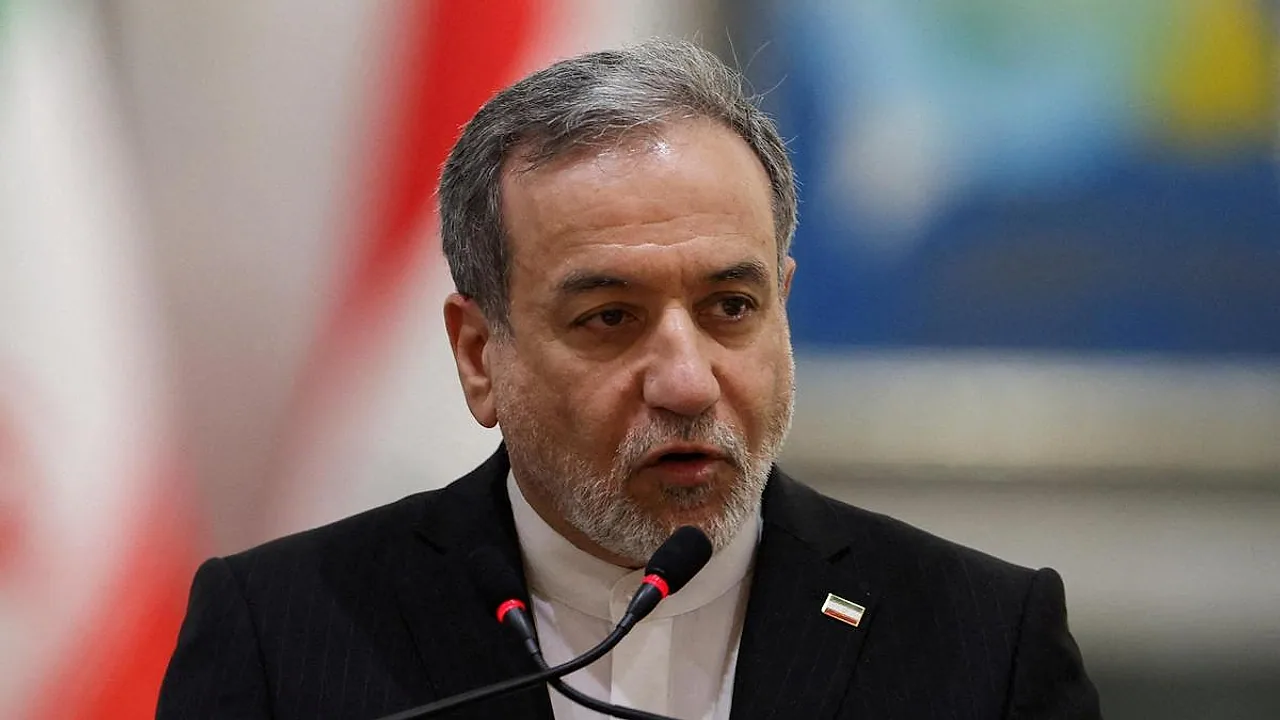
Iran's Acting Defense Minister Majid Ibn al-Reza stated that Tehran treats every threat from foreign adversaries as real and immediate, regardless of whether it is intended as psychological warfare. He emphasized that Iranian forces will not be caught unprepared and are actively utilizing these threats to upgrade defensive technology, strengthen military readiness, and enhance strategic deterrence.

On the diplomatic front, Iranian MP Hassan Ghashghavi, spokesperson for the parliament's National Security Committee, confirmed that third-party mediators are working to restore the 14-point Islamabad agreement. Originally established in June 2026, the pact briefly paused military conflict between the US and Iran. Ghashghavi noted that negotiating parties recognize the Strait of Hormuz blockade as the primary hurdle and are actively exchanging proposals to resolve maritime transit rights.
ENDED

Closed

  1. Iranian Lawmaker Says Intermediaries Working To Restore June Accord Between U.S. and Tehran

    An Iranian parliamentarian stated on Sunday (August 2, 2026) that diplomatic negotiators are working to reactivate an accord that briefly halted military hostilities between Tehran and Washington in June. Hassan Ghashghavi, spokesperson for the national security commission of Iran's parliament, mentioned in a video interview that third-party facilitators are actively attempting to restore the 14-point Islamabad agreement. He added that the involved entities recognize the situation around the Strait of Hormuz as the pivotal issue, confirming that an exchange of perspectives is currently taking place.
  2. Tehran press rejects Trump's statement regarding Iranian plea against US strikes

    Iran's Mehr news outlet on Sunday refuted President Donald Trump's assertions that the Islamic republic requested America to hold back on fresh military action. Quoting defense authorities, the report described the assertion as "nothing but a fresh falsehood" while emphasizing that Iran's military forces remain on "high alert and fully prepared for any scenario". On Saturday, Donald Trump stated that Washington was "prepared to act against the Islamic republic", but claimed Tehran alongside several Middle Eastern nations had appealed to him to delay further strikes. He noted that his decision was contingent upon securing a formal agreement with Iran. In a message posted on Truth Social, Mr. Trump specified that any potential deal must entail the "Immediate, Complete and Total OPENING OF THE HORMUZ STRAIT, alongside the termination of Iran's nuclear threat". Meanwhile, Iran's Fars news agency cited an insider associated with Iranian diplomatic negotiators on Sunday, who affirmed that "the Strait of Hormuz shall remain shut for as long as aggressive US conduct continues". Ever since conflict broke out, Tehran has maintained a blockade on the strategic Hormuz passage, forcing maritime vessels to seek authorization and settle transit charges to navigate through the channel.
  3. Iran treats all opponent threats as authentic and serious, states acting Defence Minister

    Iran treats every threat issued by its enemies as authentic and serious, even if such statements are intended merely as psychological tactics, according to acting Defence Minister Majid Ibn al-Reza on Sunday, as cited by state media. He emphasized that Iranian forces will not be taken by surprise or stay inactive, noting that Tehran will leverage these warnings to boost military preparedness, fortify deterrence, and expand its defence capabilities.
  4. Iran's leadership displays unity over military strategy but remains divided on endgame goals

    Amid intensified attacks targeting US installations and regional partners over the past week, Iranian leaders are demonstrating a highly unified front regarding their military posture—aiming to show that Tehran can outlast the United States and its coalition. However, significant internal divisions persist within the ruling establishment over what the final strategic outcome should be. On one side, extreme hardliners who strictly oppose any diplomatic engagement with Washington are insisting on an absolute war victory. Representing the 'Paydari' movement—Persian for stability—these staunch ideologues seek to enforce strict societal control under the Islamic Republic. On the other side, allies of President Masoud Pezeshkian and influential parliament speaker Mohammad Bagher Qalibaf—who also serves as Iran's principal negotiator—view strategic military engagement as leverage to secure a favorable negotiated compromise with the US. This group is largely motivated by concerns over the heavy economic toll facing the country and the need to adjust to domestic social dynamics.
  5. Trump states US and Israel agree to pause planned strikes on Tehran

    American President Donald Trump disclosed that both the United States and Israel have concurred to postpone intended military strikes against Iran, responding to appeals from Tehran and neighbouring regional powers — contingent upon the swift conclusion of a deal. In a statement shared on his Truth Social account, Trump wrote that the US remains fully prepared to take action against the Islamic Republic of Iran with a degree of military force and power unseen since the Second World War. He added that despite being fully prepared, appeals from Iran and several Middle Eastern nations prompted him to halt any strike. Trump noted that he agreed to call off the offensive provided an agreement can be forged rapidly, adding that Israel shares this commitment.
  6. Saudi Crown Prince cautions Trump against broadening military conflict with Iran

    Saudi Arabia's de facto ruler, Crown Prince Mohammed bin Salman, expressed apprehension regarding potential American escalation against Iran during a telephone conversation with President Donald Trump, as disclosed by an individual knowledgeable about the talk. First made public by Axios, this high-level dialogue transpired while President Trump deliberates over authorizing fresh military operations directed at Iranian targets. According to the informed source, Saudi leadership fears that if American forces attack Iranian energy infrastructure or major installations, Tehran might retaliate by targeting energy infrastructure belonging to Saudi Arabia and neighbouring Gulf nations.

Questions & Answers

What position has Saudi Arabia taken in the US-Iran escalation?
Saudi Crown Prince Mohammed bin Salman urged US President Donald Trump to avoid military escalation, fearing Iranian retaliation could target Saudi and Gulf energy infrastructure.
What conditions did US President Donald Trump set for holding off strikes?
Donald Trump stated that military strikes are paused contingent on a deal requiring Iran to immediately reopen the Strait of Hormuz and eliminate its nuclear threat.
What is Iran's current stance on the Strait of Hormuz?
Sources close to Iranian negotiators stated the Strait of Hormuz will remain closed to unauthorized shipping as long as the US maintains hostile actions against Iran.
What internal political divisions exist within Iran's leadership?
Hardline factions like the Paydarii movement oppose negotiations entirely, whereas President Masoud Pezeshkian and Parliament Speaker Mohammad Baqer Qalibaf favor leveraging military stance to reach a diplomatic agreement.
Which agreement are third-party mediators trying to restore?
Mediators are attempting to reinstate the 14-point Islamabad agreement that temporarily halted hostilities between the US and Iran in June 2026.

Comments 0

No comments yet — be the first.

Citizen journalism

Become a TrendKia journalist

Voice of the people

Share news, photos and videos from your area with TrendKia and let your voice reach the nation. Every citizen a journalist.

Join now
CH 01 LIVE
TrendKia TV ON AIR