

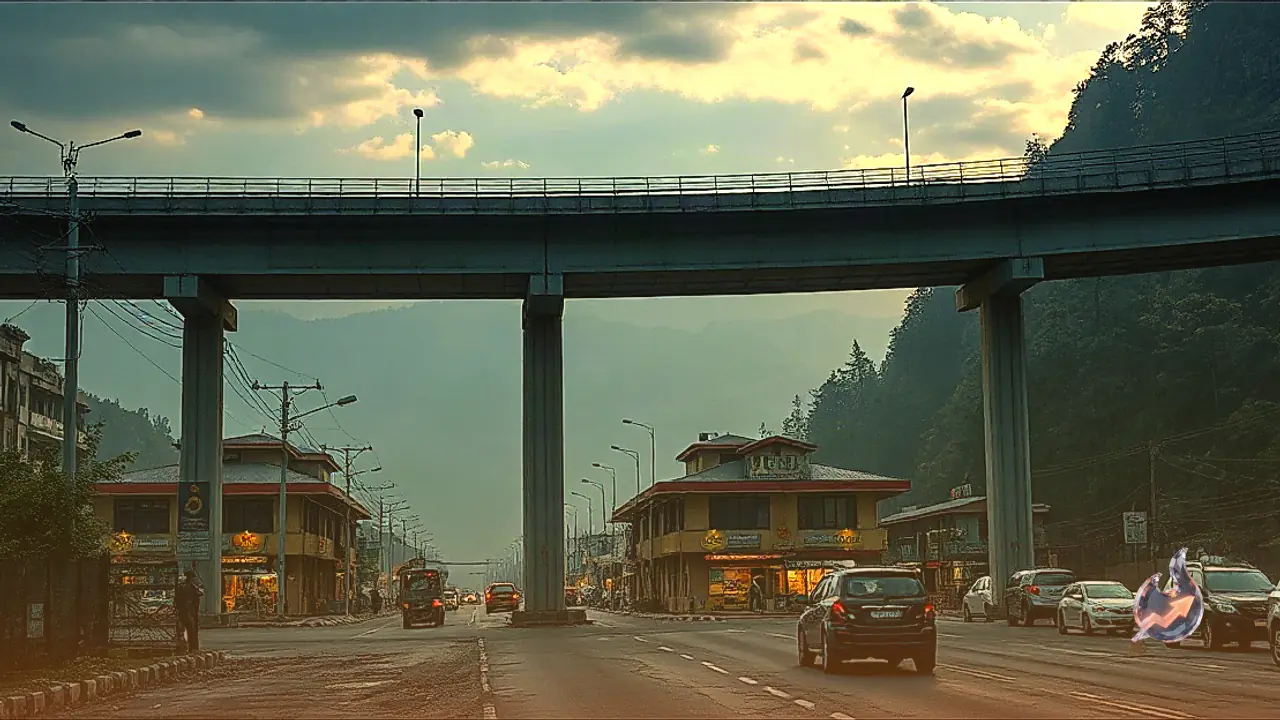
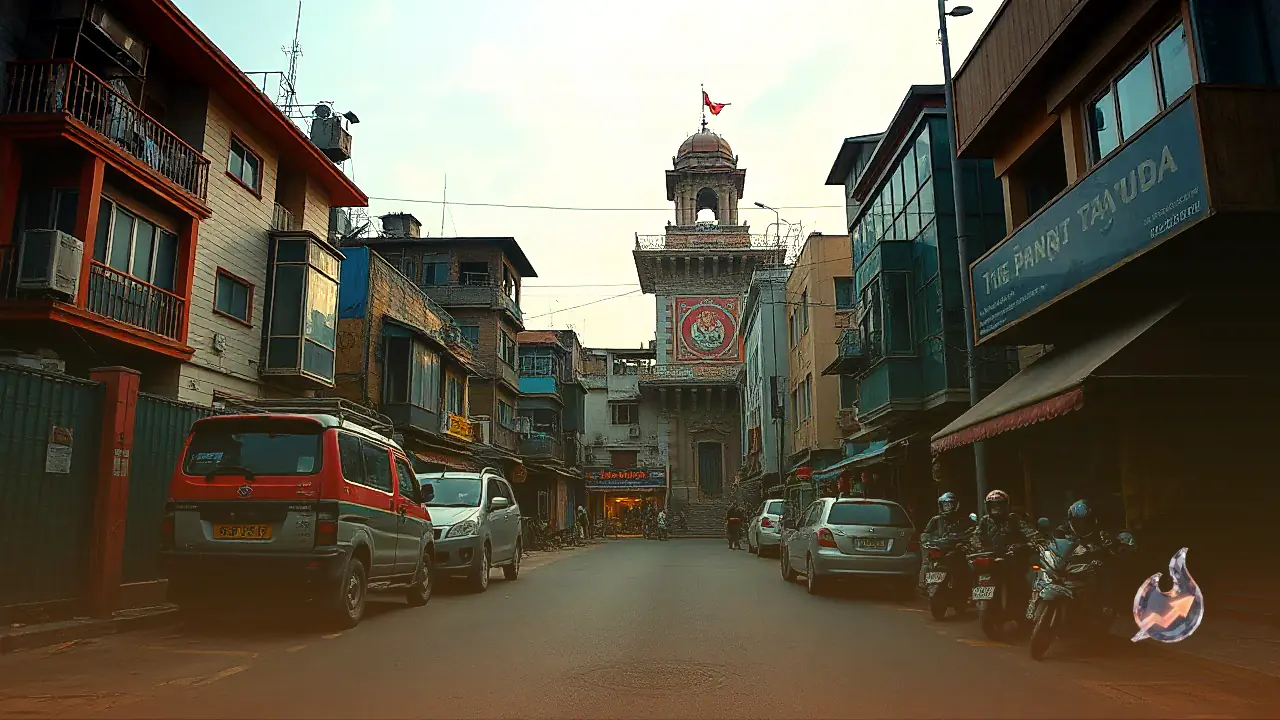
















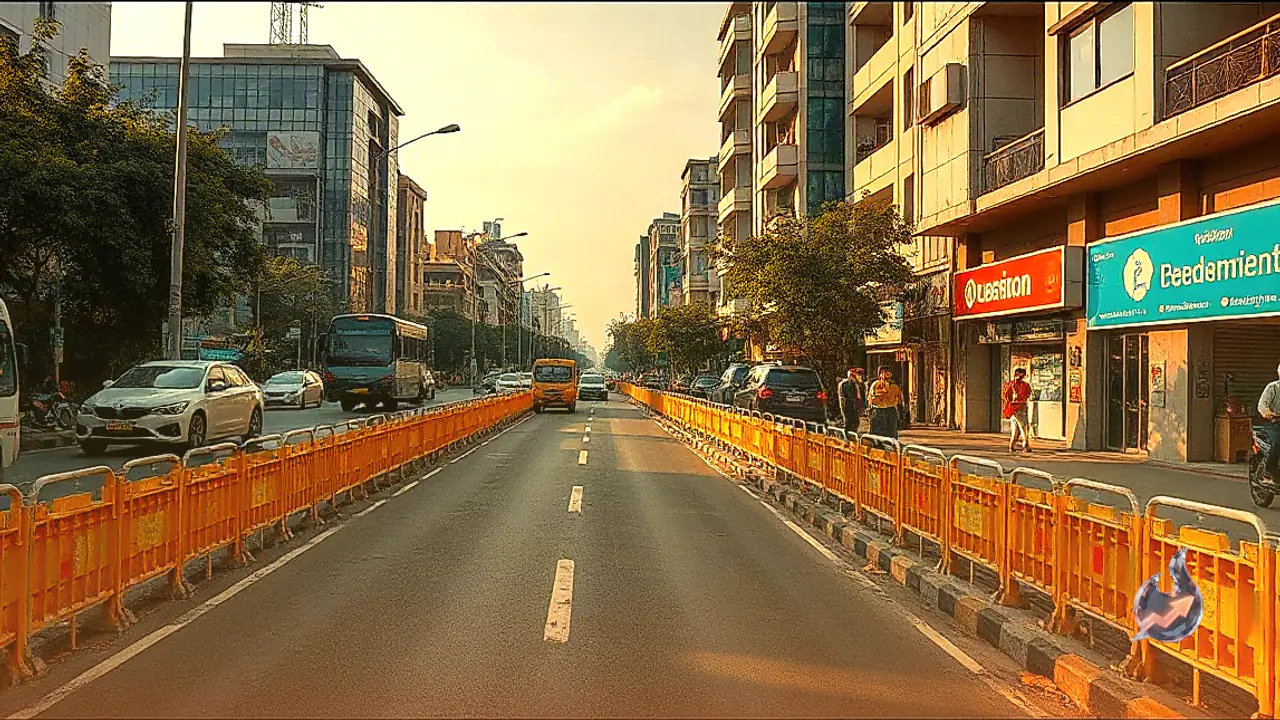

Walking through the dense urban landscape of Mumbai often presents severe hazards for everyday commuters, especially along arterial roads with fast-moving traffic. In a major initiative aimed at transforming urban mobility and ensuring safety, the Brihanmumbai Municipal Corporation has launched a wide-ranging infrastructure drive to completely overhaul footpaths along 30 critical road corridors in the city's eastern suburbs. Spearheaded under the civic body's 'Pedestrian First' policy, this initiative focuses on transforming heavily congested pathways into spacious, barrier-free, and safe walkways for lakhs of daily residents who navigate these high-traffic transit hubs every single day.
Scope of the Revamp and Key Transit Corridors
The municipal corporation's comprehensive plan targets specific administrative wards across eastern Mumbai, focusing heavily on areas such as Ghatkopar, Bhandup, Kanjurmarg, Nahur, and Mulund. These locations were identified by civic authorities based on their extremely high pedestrian density and their proximity to essential urban infrastructure hubs. The selected 30 stretches surround major railway stations, bustling local retail markets, educational institutions, schools, and busy bus terminals where daily foot traffic reaches massive proportions during peak morning and evening hours.
In a commercial metropolis that famously operates around the clock, pedestrians frequently face life-threatening risks while attempting to navigate poorly planned, narrow, or overcrowded footpaths alongside high-speed vehicles. By specifically targeting these high-volume transit sectors, civic authorities aim to establish a seamless, uninterrupted, and safe walking route connecting railway stations and commercial centers directly to residential neighborhoods, bus stops, and homes.
Two-Phase Implementation and Encroachments Clearance
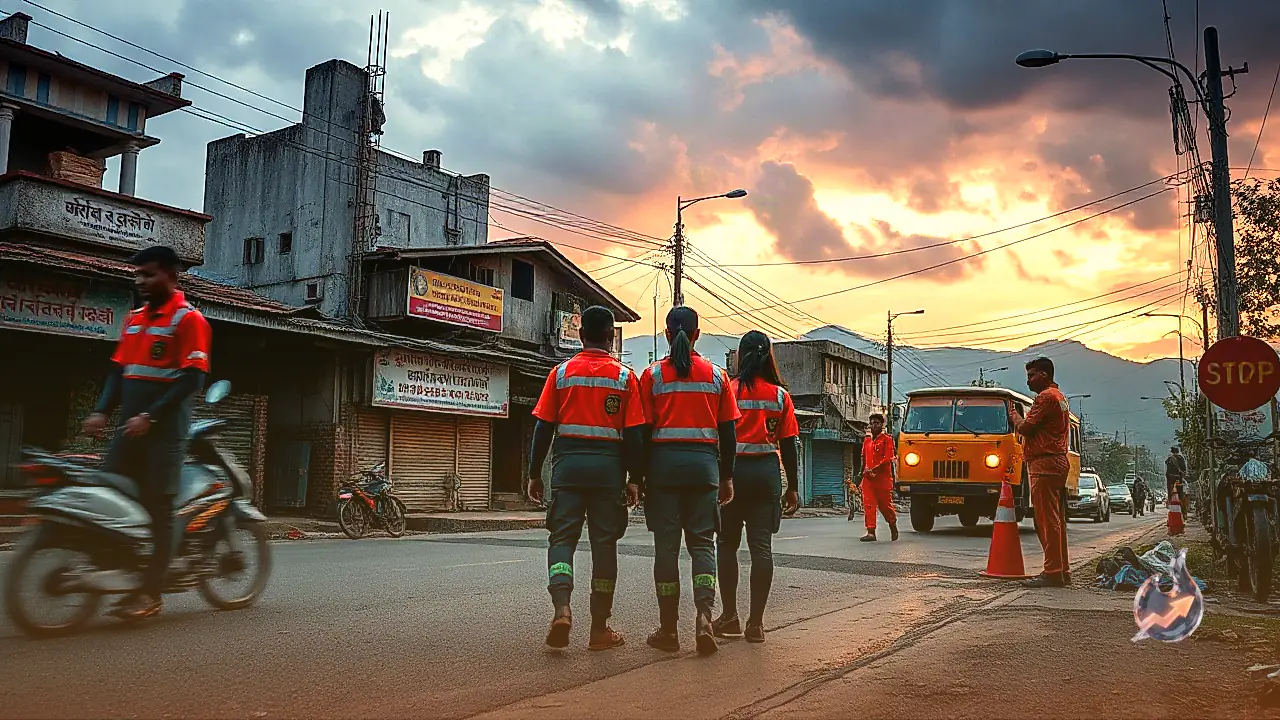
To ensure systematic execution and minimize disruption, municipal officials divided the project into two distinct operational phases. The first phase, which focused strictly on clearing illegal encroachments from the selected corridors, has already been completed across all 30 designated stretches. Civic squads systematically removed unauthorized roadside vendors, illegal structures, temporary extensions, and unauthorized stalls that had historically choked pedestrian pathways and forced commuters to walk on active vehicular lanes.
The upcoming second phase involves structural re-engineering and new construction using integrated urban planning models. Although initial architectural blueprints and engineering designs are complete, heavy physical construction has been temporarily delayed due to the ongoing monsoon season. On-ground execution and physical construction of the newly designed footpaths are scheduled to commence in October once weather conditions stabilize, ensuring that the new footpaths are built cleanly without weather disruptions.
Structural Challenges and Engineering Standards
Explaining the technical shortcomings of existing infrastructure, Assistant Municipal Commissioner Yogita Kolhe noted that footpaths across Mumbai's suburbs were traditionally constructed directly over stormwater drains. This structural limitation made the walkways excessively narrow and structurally inconsistent, leading to severe bottlenecks and dangerous overcrowding during peak transit hours when people literally bump into each other.
Under the new urban planner-designed framework, every redesigned footpath will maintain a mandatory minimum width of two meters. In zones with exceptionally heavy foot traffic, such as station entrances, bus stops, and major intersections, the width will be expanded further based on commuter volume. Urban planners are also redesigning junction areas and traffic islands while ensuring a completely level, uniform surface that eliminates tripping hazards and comfortably accommodates senior citizens, school children, and commuters carrying luggage.
Managing Utility Obstructions and Road Concreting Integration
Beyond illegal vendor stalls, pedestrians in Mumbai routinely encounter fixed urban utility obstacles, including electrical transformers, fire hydrants, and municipal-approved licensed hawkers. Municipal engineers from the road department are actively working to relocate or reconfigure these obstructions while aligning footpath upgrades with ongoing road concreting projects across the eastern suburbs.
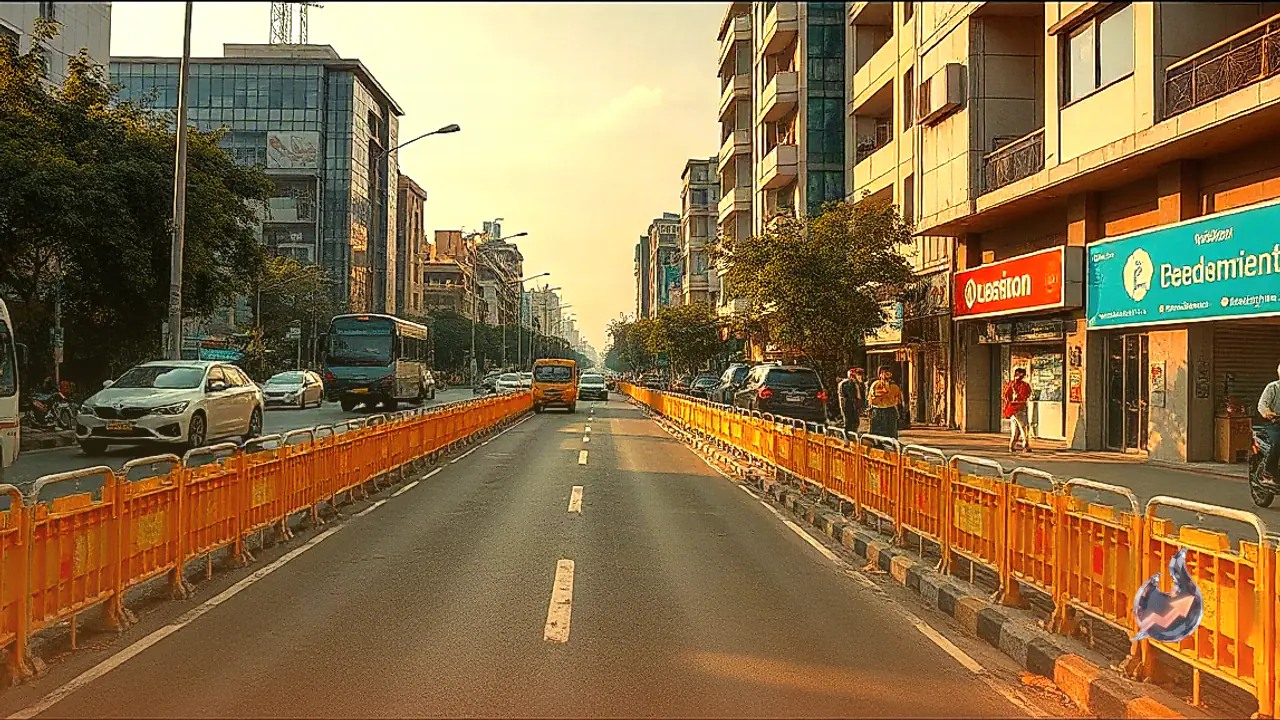
A crucial safety feature of the new model is the installation of robust physical barricades along the outer perimeter separating the footpath from the main road. These barriers serve two main purposes: preventing pedestrians from accidentally stepping into high-speed vehicular lanes and permanently stopping motorists from illegally parking two-wheelers or vehicles on pedestrian space.
'Pedestrian First' Vision for Mumbai's Future
The redesign of these 30 eastern suburb roads represents the initial rollout of the broader 'Pedestrian First' drive. Municipal authorities emphasize that while the current focus is on these priority high-density stretches, successful implementation will pave the way for expanding the standardized design to other administrative zones across Mumbai, ultimately aiming to build a continuous, accessible, and safe pedestrian network across the entire metropolis.