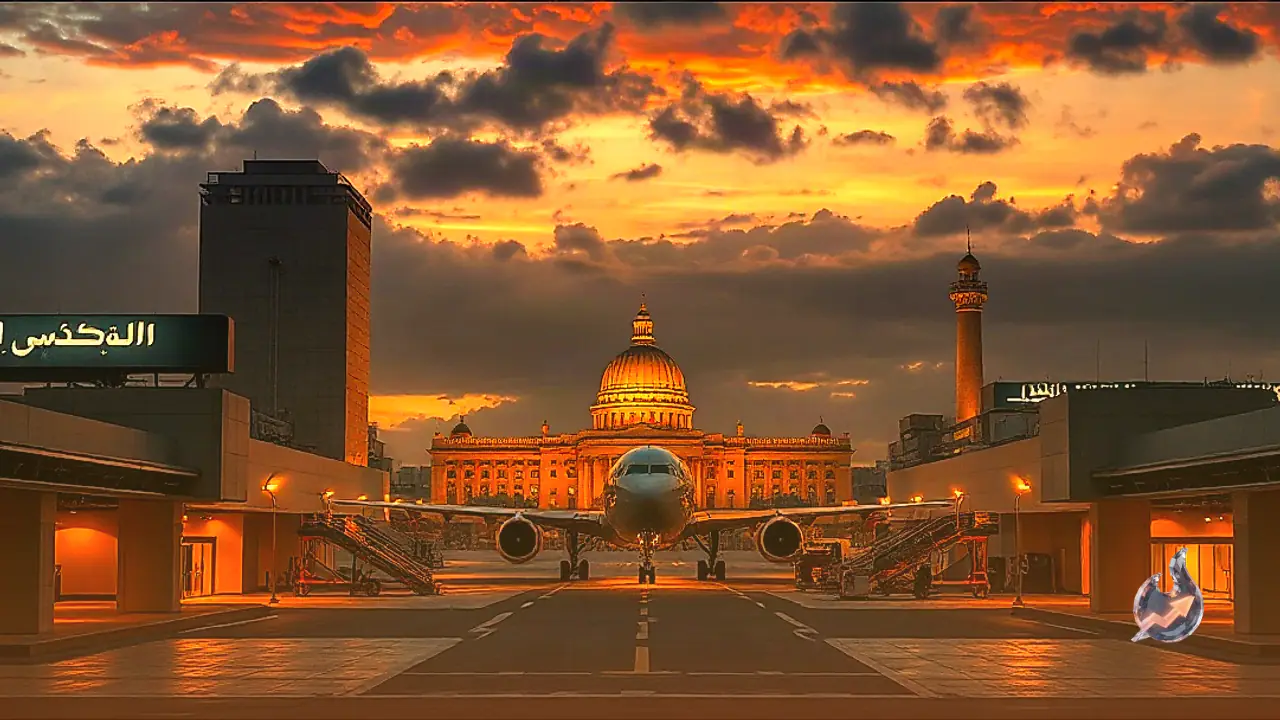

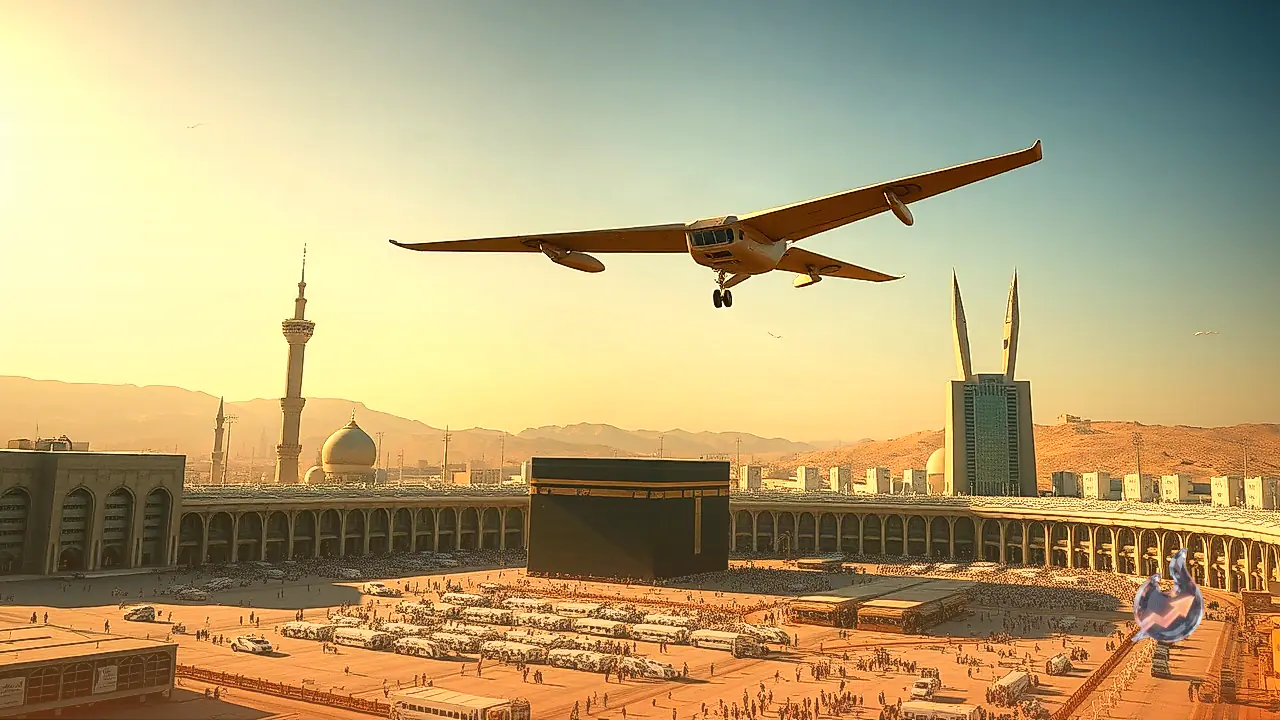




















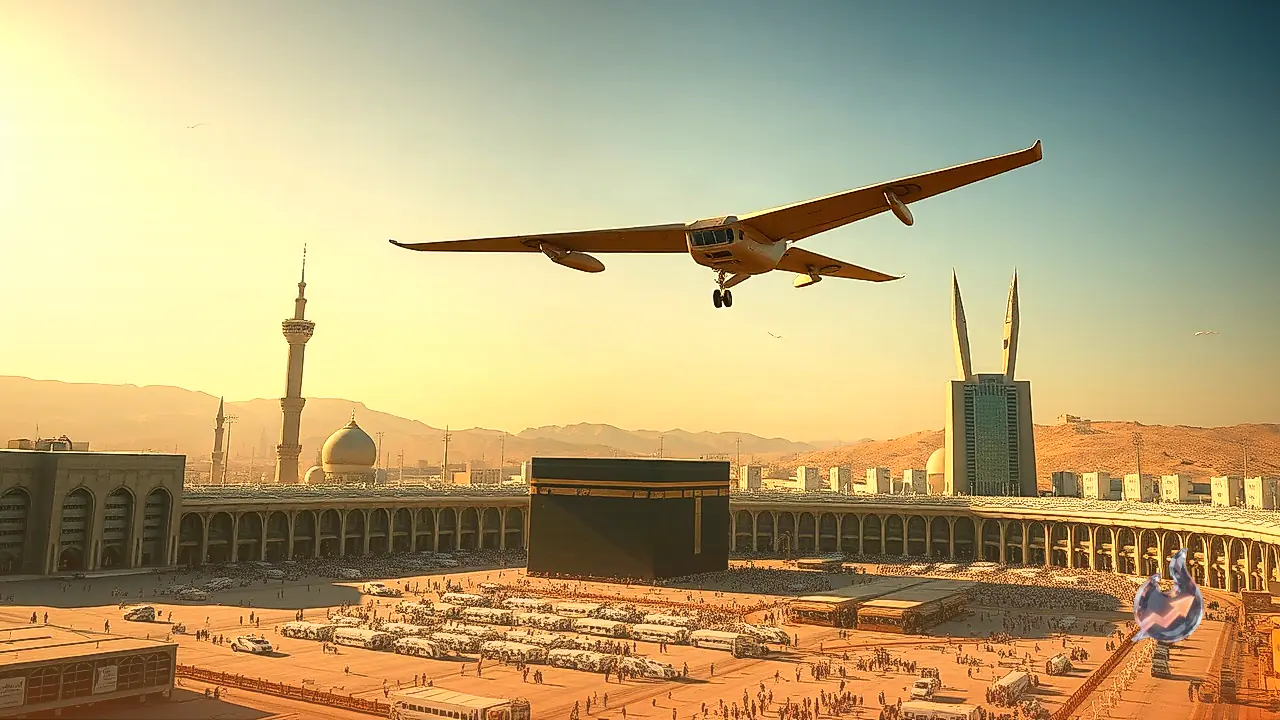

A high-stakes security alert unfolded near Islam's holiest site on Tuesday, 15 September 2026, when Saudi air defense units detected and brought down an incoming unmanned aerial vehicle south of Mecca. The Saudi-led coalition fighting in Yemen disclosed details of the operation in an official press release issued on 16 September, stating that the intercepted hostile drone had been deployed by the Houthi militia. Coalition authorities framed the incident as a grave and calculated provocation aimed directly at the sacred city and its religious visitors.
Air Defense Forces Neutralise Target Prior to Airspace Breach
According to the timeline confirmed by Saudi military leadership, the interception took place at precisely 6:50 PM on Tuesday evening. Major General Turki Al-Malki, official spokesperson for the joint coalition, stated that the Royal Saudi Air Defense Forces tracked the aerial threat as it made its approach toward the western province. The interception was executed decisively over the open terrain south of Mecca, successfully halting the drone well before it could enter the city's designated restricted airspace.
Military officials noted that ground-based tracking and defensive missile batteries functioned seamlessly to neutralise the aerial object without permitting it to approach populated civilian sectors. Because the projectile was eliminated miles away from the municipal borders, no human casualties or structural destruction were documented on the ground. Coalition authorities emphasised that the swift defensive action proved the robustness of the integrated air shield protecting vital territories and religious sanctuaries around the clock.
A Nine-Year Hiatus Since the 2017 Taif Missile Interception
The Saudi-led coalition underscored that this incident represents the second documented attempt by the Houthi movement to threaten Mecca. The previous episode dates back roughly nine years to 27 July 2017, when coalition defenses intercepted an inbound ballistic missile launched toward Mecca. In that 2017 engagement, the projectile was taken down over the Al-Wasiliya area within Taif province, located approximately 69 kilometres away from the city centre, with no structural or civilian damage recorded.
At the time of the 2017 encounter, Riyadh had claimed that the ballistic missile strike was intentionally coordinated to destabilise the preparations for the upcoming annual Hajj pilgrimage. A comparison between the two events reflects an evolution in battlefield hardware: while the 2017 attack relied on a massive ballistic missile intercepted at high altitude dozens of kilometres out, the 2026 incident involved an unmanned aerial drone designed to fly under regional radar networks. Crucially, in both instances, Saudi authorities maintained that the incoming munitions were successfully destroyed before breaching the city's inner defense ring.
Coalition Cites Provocation of Millions of Global Muslims
In its comprehensive press release, the joint coalition denounced the drone launch in strong diplomatic and military terms, categorising it as a deliberate effort to compromise religious sanctity. Major General Turki Al-Malki warned that such aggressive maneuvers were engineered deliberately to inflame the sentiments of hundreds of millions of Muslims worldwide who hold the holy city in the highest spiritual esteem.
The statement referenced the unique historical and religious character of Mecca, identifying it as the sacred cradle where divine revelation commenced and toward which believers across the globe turn in devotion each day. Coalition officials argued that allowing hostile hardware near the vicinity of the Grand Mosque, known as Masjid al-Haram, posed an intolerable risk of panic and physical harm to worshipers, international pilgrims, and domestic residents alike. The coalition's statement made deliberate use of terms such as terrorist and extremist to describe the Houthi leadership behind the launch.
Security of the Two Holy Mosques Declared an Absolute Red Line
Reiterating its defensive posture, the Saudi command declared that safeguarding the Two Holy Mosques and foreign pilgrims constitutes an uncompromising red line. The coalition's communication explicitly cautioned that its joint military assets will not hesitate to enact decisive, lawful, and retaliatory measures to neutralise aggressive capabilities harboured by the Houthi movement.
Military strategists within the coalition suggested that while defensive systems successfully mitigated the direct peril, recurrent attempts to direct loitering munitions toward civilian sanctuaries compel armed forces to consider proportional deterrent operations. The official release warned hostile actors against miscalculating Riyadh's resolve to guarantee regional perimeter security.
Houthi Leadership Denies Allegations of Holy City Target
The narrative advanced by Saudi officials met immediate pushback from the Houthi apparatus in Sanaa. Houthi spokesperson Hazim Al-Asad released a public statement strongly dismissing the accusation that his faction had aimed a drone at Mecca. Addressing the matter on the social media platform X, he termed the allegations an outdated and worn-out falsehood that no longer deceives the public.
The spokesperson rebuffed the coalition's assertions as political posturing, insisting that the movement does not target Muslim religious shrines. The public contradiction leaves two opposing viewpoints in the international arena: the Saudi-led coalition maintaining that it thwarted a lethal drone attack aimed at the periphery of Mecca, contrasted with the Houthis firmly denying any operational directive toward the sacred territory.
Islamic Cooperation Body Reaffirms Solidarity with Riyadh
The reported security breach quickly triggered diplomatic responses across the broader Islamic world. The Organisation of Islamic Cooperation, an intergovernmental alliance comprising 57 Muslim-majority states, issued a formal statement strongly rebuking the aerial threat and expressing undivided support for the Kingdom of Saudi Arabia.
The general secretariat of the organisation condemned any hostile operation directed near Mecca and the broader regional sanctities, confirming that the preservation of holy sites is a collective priority for member countries. The organisation pledged its support for all measures undertaken by Saudi authorities to safeguard their territorial sovereignty, secure religious travelers, and shield pilgrimage routes from cross-border violence.