






















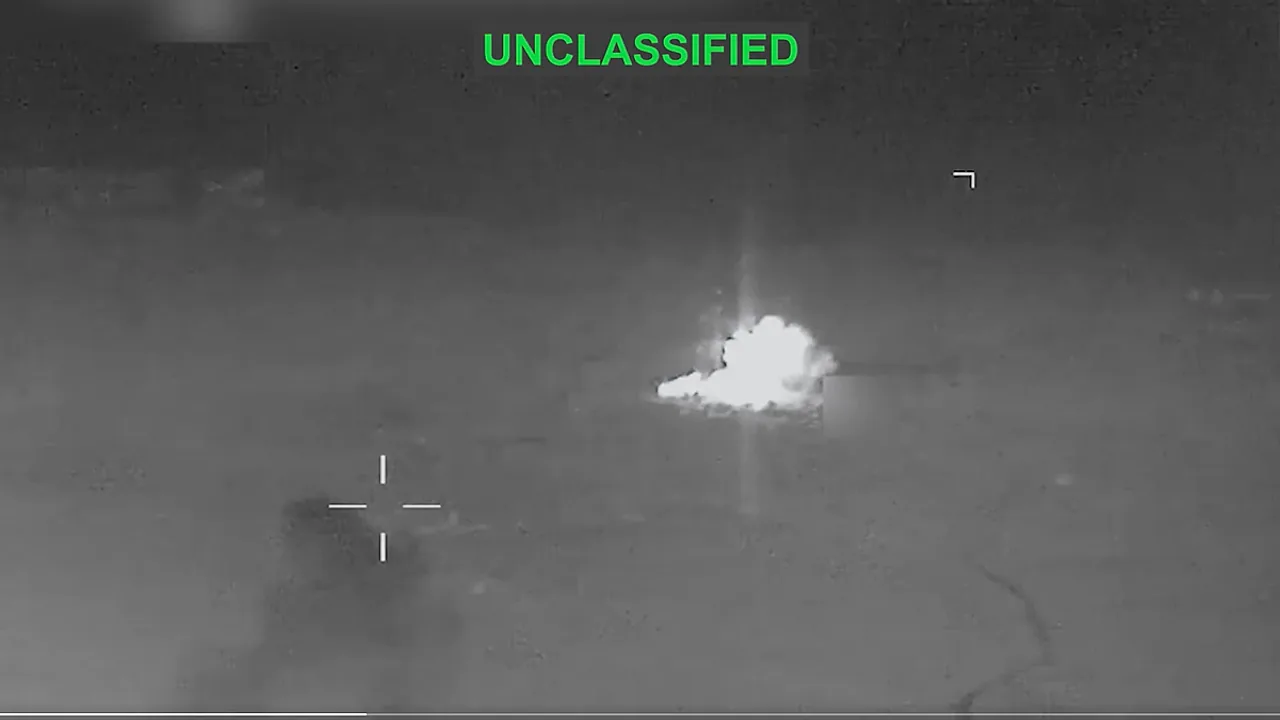

Tensions in the Middle East have spiraled into a potential regional conflict after the United States launched a series of bombing raids against Iran, following attacks on commercial vessels in the Strait of Hormuz. Tehran has responded by claiming to have struck American military installations in Kuwait and Bahrain, creating a volatile situation that threatens global energy supplies and maritime security.
Agreement Violations and Military Escalation
The Iranian Foreign Ministry condemned the American strikes as a major breach of bilateral agreements, warning that the nation would take decisive actions to defend its national security. In a statement released by IRIB News, the ministry emphasized that Tehran would not remain silent. Meanwhile, the US Central Command reported that a new wave of operations was completed, utilizing guided weapons to target over 80 locations in retaliation for recent missile attacks on tankers.
Leadership Response and Domestic Impact
Following the bombardment of southern Iranian territories, Iranian President Masoud Pezeshkian cut short his visit to Iraq to return home. While state television reported that conditions in Bandar Abbas and Qeshm Island have stabilized, reports of explosions persist in Sirik. Iran's Khatam al-Anbiya Central Headquarters described the US military action as open aggression, warning that the regime would dictate the rules of transit within the Strait of Hormuz.
Air Raids in Kuwait and Bahrain
Authorities in Bahrain confirmed that air raid sirens were triggered across the country, urging residents to seek shelter immediately. Concurrently, the Kuwaiti military announced that its air defense systems were engaged in intercepting incoming projectiles. The Islamic Revolutionary Guard Corps (IRGC) has explicitly claimed responsibility for targeting 85 US military sites across Kuwait and Bahrain as a direct protest against the US-led military operations.
Market Reaction and Oil Prices
The volatility has sent shockwaves through the global commodity markets. On Wednesday, July 8, 2026, crude oil futures jumped by ₹227 to reach a two-week high of ₹6,932 per barrel on the Multi Commodity Exchange (MCX). Data from Kpler and LSEG indicates that at least four major LNG and crude tankers have diverted their courses away from the Strait of Hormuz, as the threat level for commercial shipping has been raised to critical.
Diplomatic Stance and Future Outlook
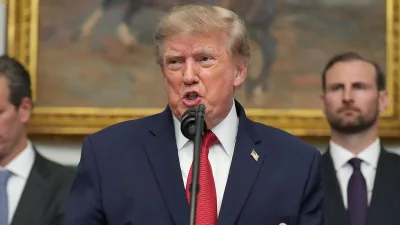
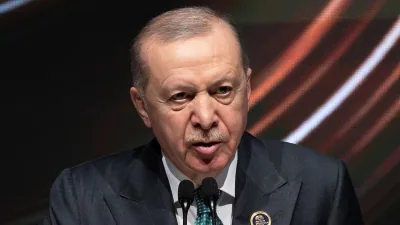
Speaking on the sidelines of a NATO summit in Ankara, US President Donald Trump declared the interim truce with Iran finished. He warned of further military actions, including potential strikes on civilian infrastructure and the possible seizure of Kharg Island. While China urged both sides to avoid returning to war, the European Union warned that the exchange of fire further complicates peace negotiations. Additionally, the European Union Aviation Safety Agency (EASA) has instructed airlines to avoid Iranian and Iraqi airspace until at least August 31.