





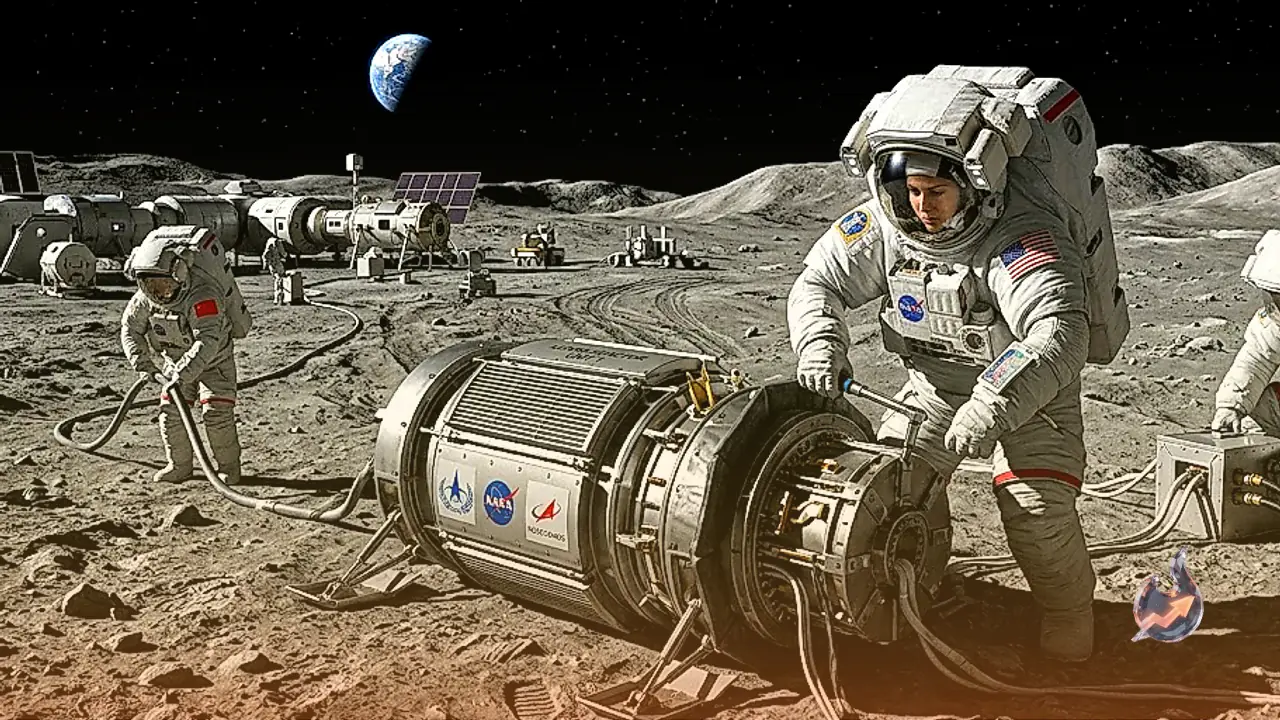

















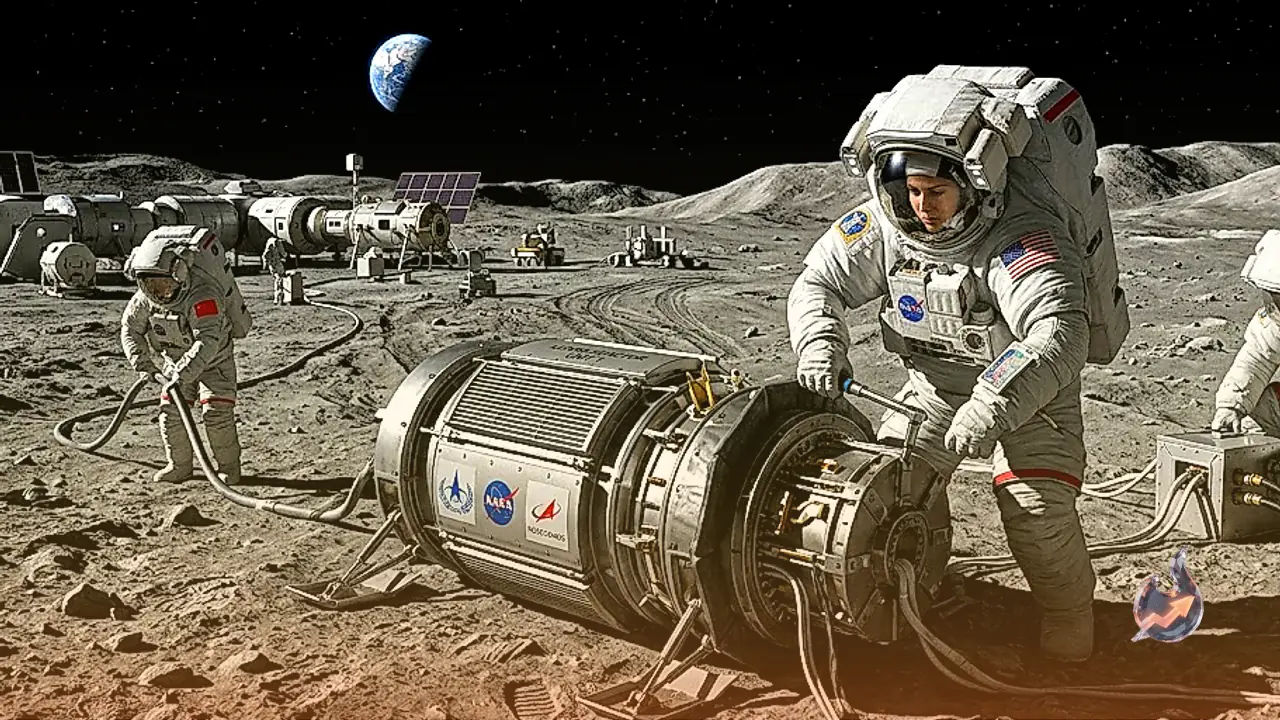

Competition in space exploration has moved beyond landing probes and robotic rovers to establishing sustainable, long-term power sources directly on the lunar surface. While nations such as India are still working to develop an adequate number of nuclear reactors for domestic energy needs on Earth, the United States, China, and Russia are actively designing nuclear power reactors meant for installation on the Moon. The core justification for these projects is ensuring continuous, dependable power supplies for extended lunar expeditions and prospective permanent bases.
Target Timelines for NASA and the Russia-China Coalition
The American space agency NASA is targeting the installation of a lunar nuclear power reactor potentially by the year 2030. Meanwhile, Russia and China are joining forces on a parallel lunar base initiative, with their cooperative plan aiming to have a nuclear power facility operational on the Moon by the year 2036. Both sides consider nuclear power the primary viable technology to support uninterrupted activity during extended lunar nights and challenging polar environments.
Sovereignty Questions and Control of Lunar Territory
The push to deploy active energy infrastructure across the lunar surface has raised fresh legal and geopolitical questions regarding extraterrestrial territory. Experts and international observers are now debating whether building and managing stationary nuclear installations could allow participating nations to claim exclusive rights or de facto control over specific sectors of the lunar landscape. As the race accelerates, managing shared lunar resources under existing international treaties remains an unresolved global challenge.