



















For decades, the Gwalior-Chambal belt of Madhya Pradesh lived in the shadow of gun-toting outlaws who ruled its ravines with fear. Yet the men who terrorised entire districts dreaded something far more than the police. Their most dangerous stretch of the year arrived every Sawan-Bhadon, the rainy months, when the very ravines that hid them turned into open-air prisons and every dacoit's survival came down to luck.
How the monsoon flipped the ravines' geography against the outlaws
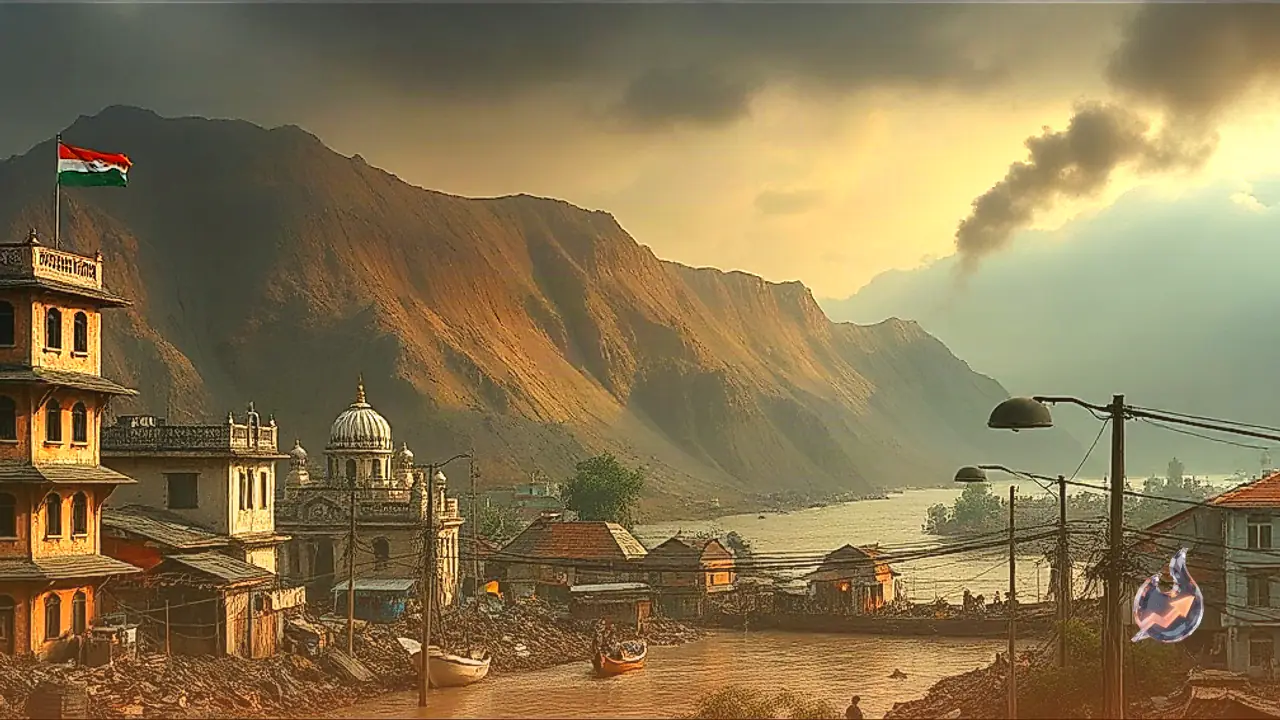
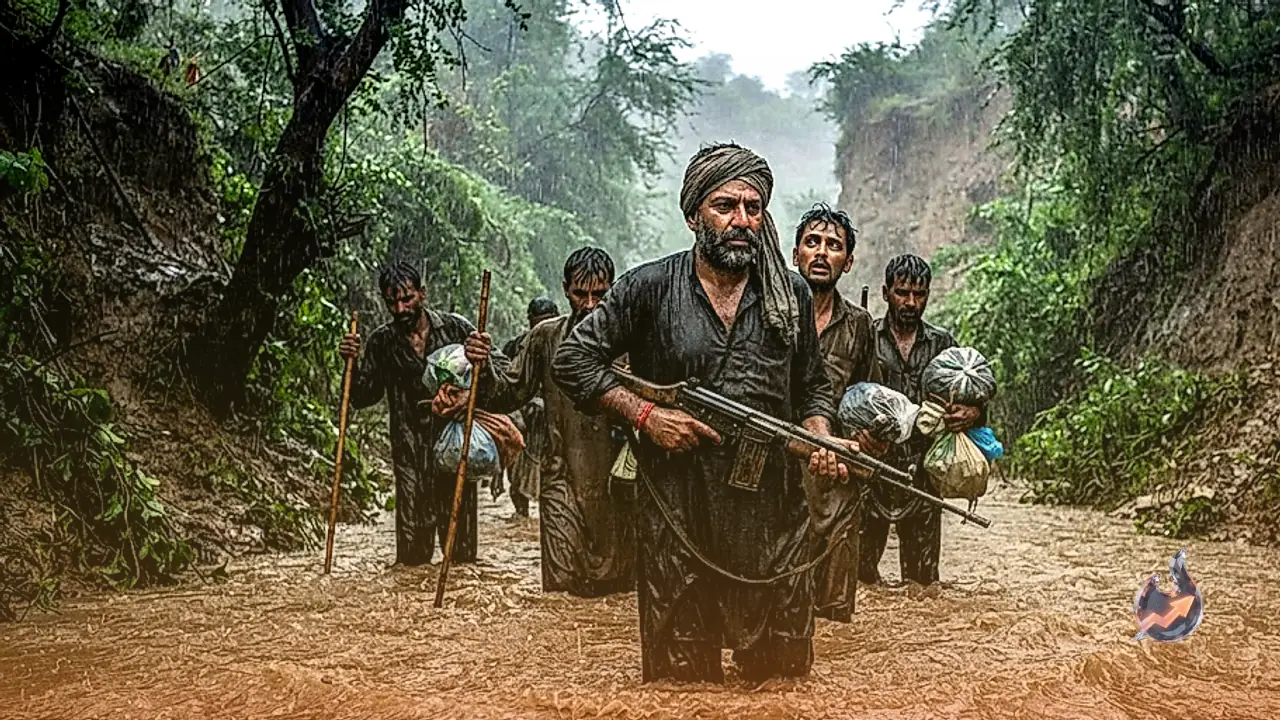
The Chambal and Gabhilia belt is cut through with steep, jagged ravines and dense forest that, on an ordinary day, gave dacoits a natural hideout no police vehicle could reach. That same terrain worked against them the moment the rains arrived. Hill streams and rivers swelled without warning, and in an era with no bridges and no dependable way to cross rising water, entire stretches of the region turned into isolated islands as soon as the water rose. Movement between hideouts became almost impossible, and gathering supplies or meeting other gang members was completely cut off. With nowhere else to go, dacoit bands were forced to retreat into the natural caves scattered across the hilly tracts bordering Shivpuri and Gwalior, often with barely enough food and no real rest, just to survive the season.
Snakes, not police bullets, were the deadlier threat
Flooded forests and waterlogged caves drove venomous snakes and other creatures out into the open, and dacoits hiding in the ravines had no reliable way to protect themselves, no medicine and no way to reach a healer. Senior journalist Pramod Bhargava says the region's history records several cases of dacoits who had dodged police bullets for years only to die writhing in agony from a snakebite deep in the forest. With medical help nowhere in reach and floodwater cutting off every route out, there was no chance of treatment once the venom took hold, and fellow gang members could only watch helplessly. That single fact was enough to make even the most feared names in the ravines dread the arrival of the rains.
Hiding in plain sight in villages, and the brutal price of being an informer
Once staying in the forest became unsustainable, dacoits worked to a deliberate plan: slip out of the ravines and take shelter in villages, but only villages remote enough that flooding or washed-out roads made it nearly impossible for police or administration to reach them. There, they lived for months disguised as ordinary villagers. People in these settlements usually knew exactly who they were sheltering, but the outlaws' reputation for violence kept anyone from speaking up. These villages quietly kept the dacoits fed and supplied for months at a stretch. Even on the rare occasion someone worked up the courage to alert the police, the same cut-off roads that protected the dacoits meant help never arrived in time. Suspected informers, meanwhile, faced a punishment so brutal that word of it alone was enough to keep an entire village silent afterward, letting the dacoits sit out three or four months in near-total safety.
Putlibai's hideout and the reign of Mohar Singh
Women, too, had their place in Chambal's dacoit history, and no name is invoked more than Putlibai's. She ran her operations for years out of the Bira Sunaj area of Shivpuri, and through the monsoon this stretch of terrain served as her safest refuge. The same belt was also home to two of the era's most powerful names, Mohar Singh and Madhav Singh, both of whom commanded such fear that entire villages fell silent at the mention of them.
Madhav Singh's mass kidnapping, and the day Randhir Kapoor was taken
One episode tied to Madhav Singh is still recounted in the region today. In the biggest operation of his career, he abducted 14 people in a single strike. The incident unfolded at the well-known Badhiya Kund, where a group of people had gathered for work related to boat-building. Among those seized was Randhir Kapoor, elder brother of well-known film actor Anu Kapoor. The sheer audacity of the kidnapping sent shockwaves all the way to the government in Delhi at the time and made headlines across the country.
Chambal today: a region finally free of its dacoits
The Chambal of today bears little resemblance to that old, lawless terrain, according to Pramod Bhargava. Bridges now span the rivers and streams that once cut the region off for months, roads have opened up villages that were once unreachable, and the biggest shift of all has come through communication. In an age of mobile phones and the internet, staying hidden for weeks or months the way dacoits once did is simply no longer possible, since police reach and surveillance now extend into even the remotest villages. Since the killing of Rambabu Gadariya, the region's last major dacoit, the area has been almost entirely free of organised gangs, and no large dacoit group operates any longer in the forests of Chambal or Gwalior-Shivpuri. Small-scale local crime still occasionally surfaces, but police and administration now move quickly enough to stamp it out. A belt that spent decades living under the shadow of guns is now writing a story of peace and development, even as the older generation still keeps alive the memory of those four punishing monsoon months when the ravines turned on the very outlaws who once ruled them.