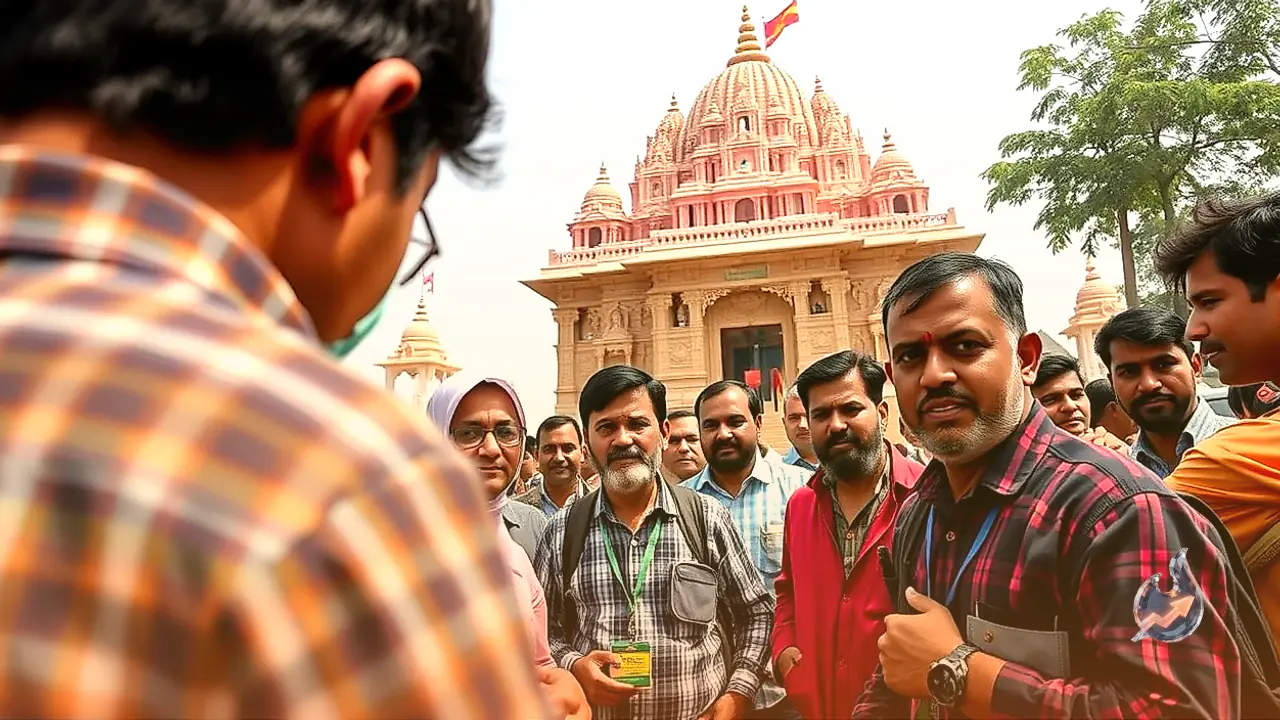
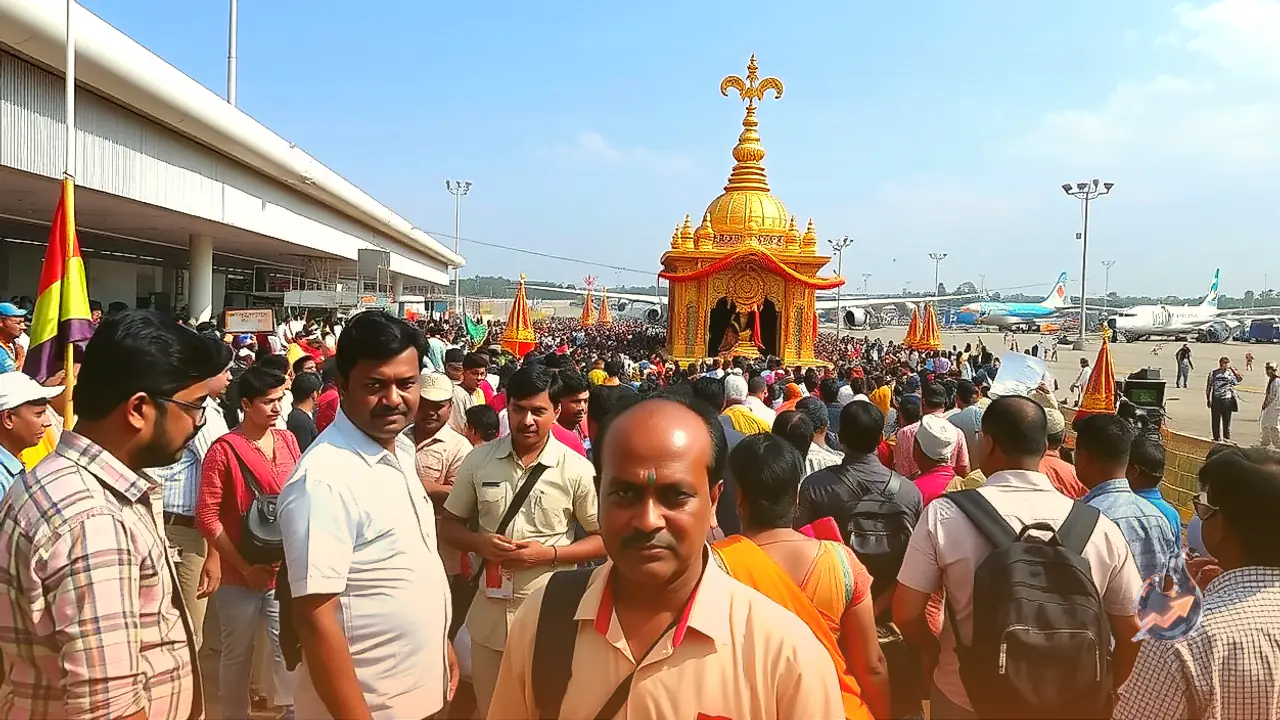
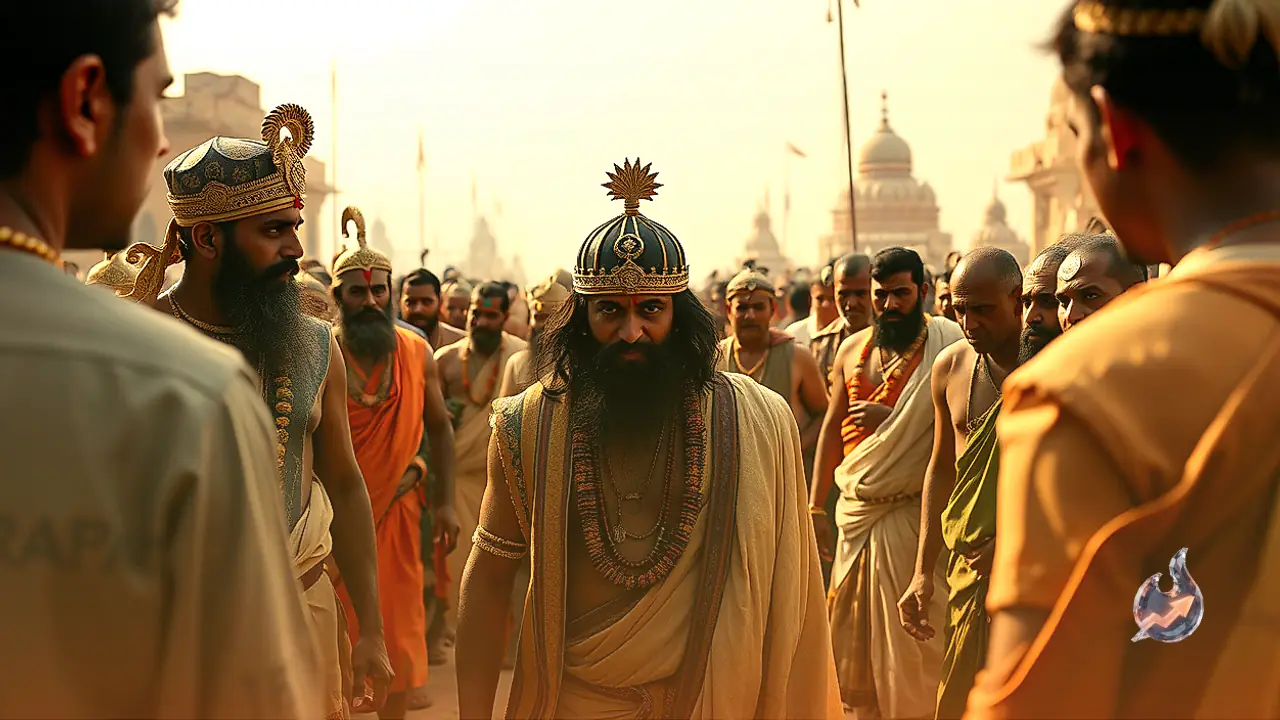
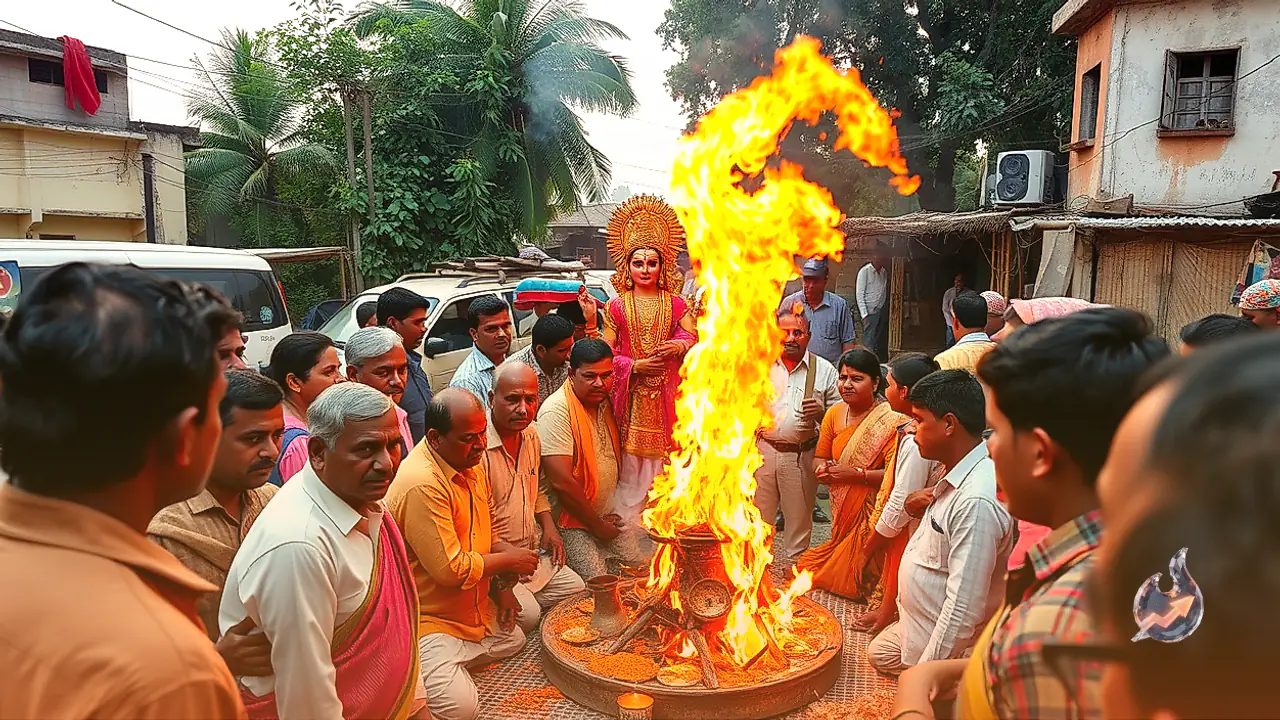
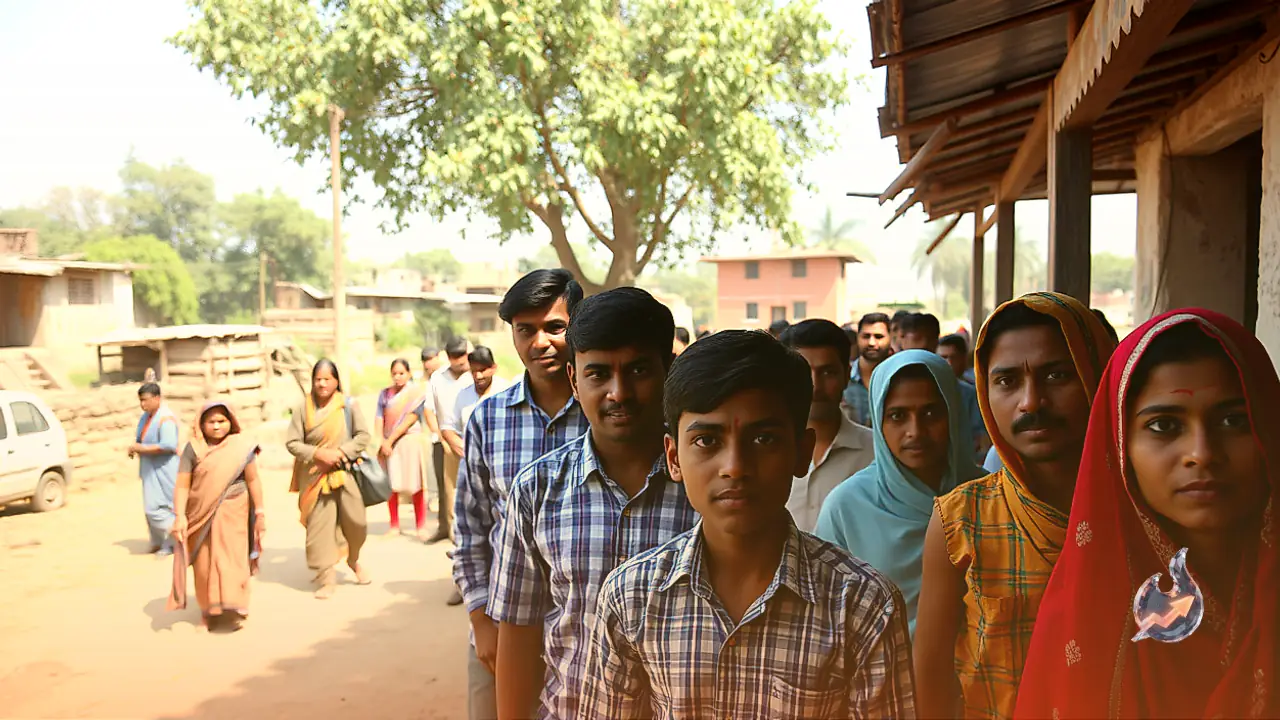
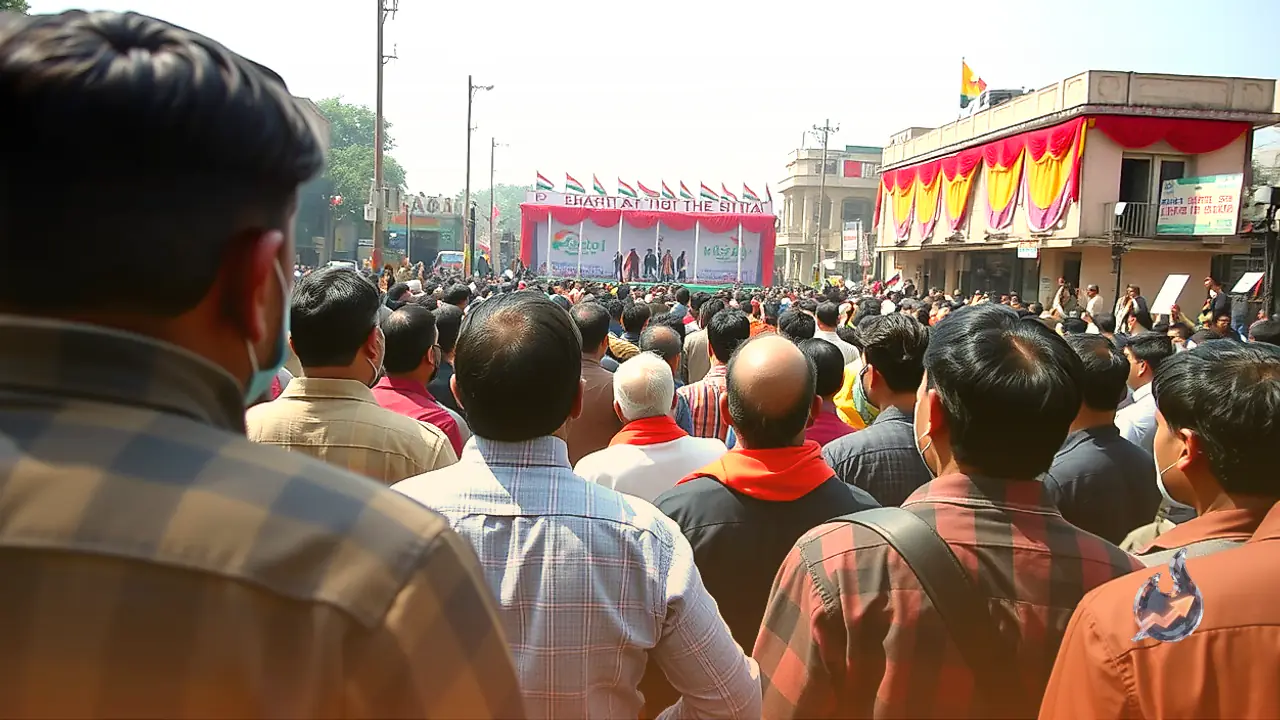














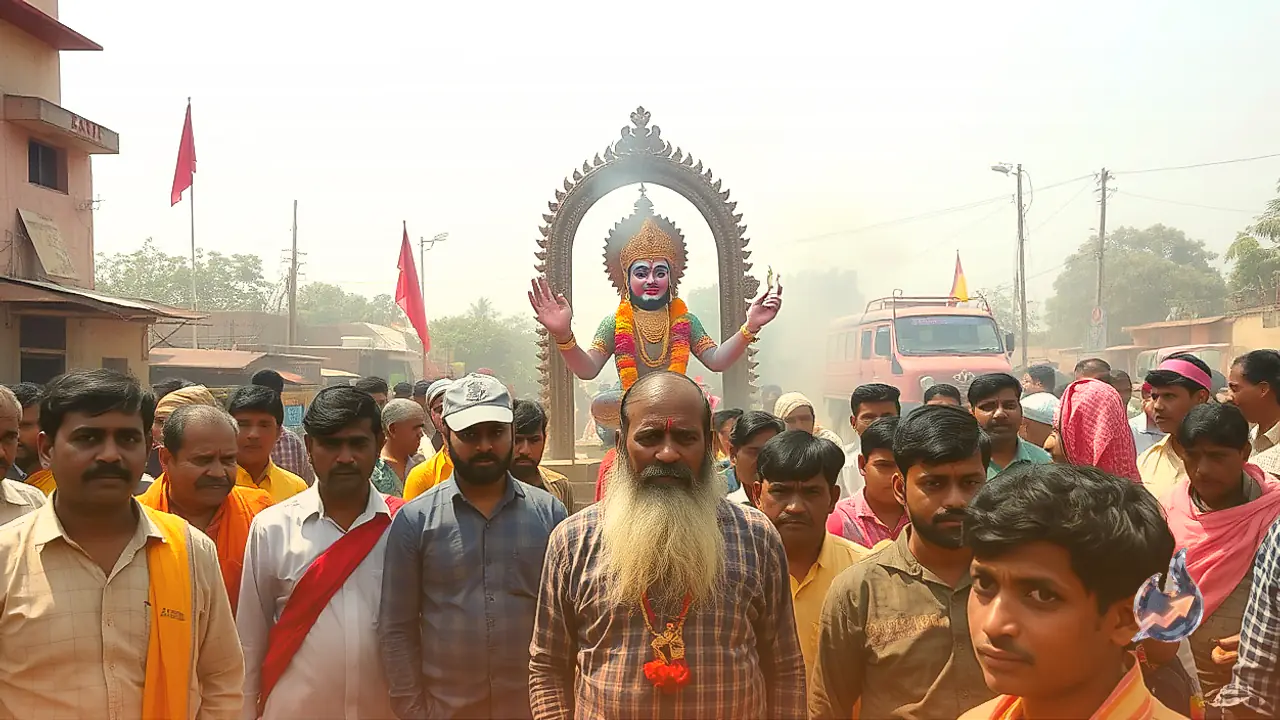

Across India, the annual festival of Vijayadashami is widely commemorated as the definitive victory of righteousness over evil, marked by the crackle of festive fireworks and the ceremonial burning of towering effigies of Ravana. Yet, within the rural expanse of Nateran tehsil in the Vidisha district of Madhya Pradesh, an entirely contrasting cultural reality unfolds. In the settlement named Rawan village, the day of Dussehra brings no explosive pyrotechnics and no towering effigies consumed by fire. The local populace considers witnessing or engaging in the burning of Ravana deeply inauspicious. To the residents of this hamlet, Ravana is not an adversarial figure of mythic folklore, but a revered celestial guardian, their principal village deity, and an inseparable part of their collective spiritual life, lovingly worshipped as Ravan Baba.
The Parmar Era Temple and the Twelve Foot Reclining Idol
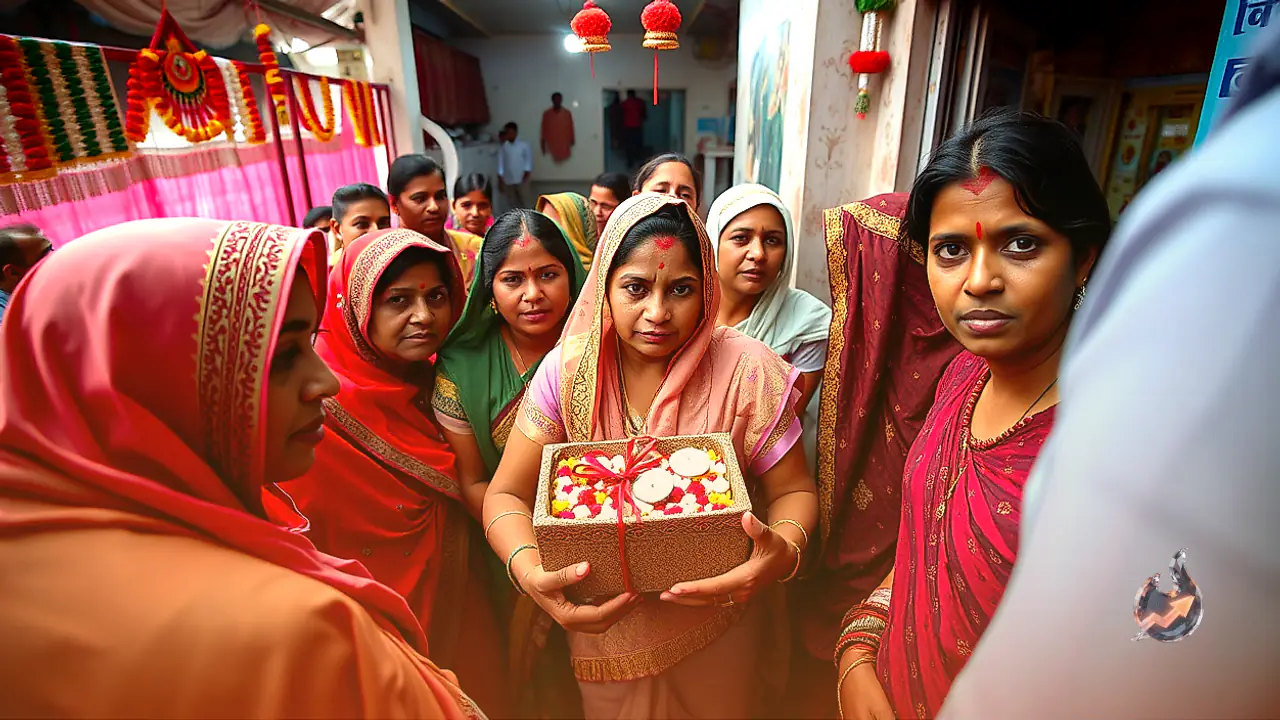
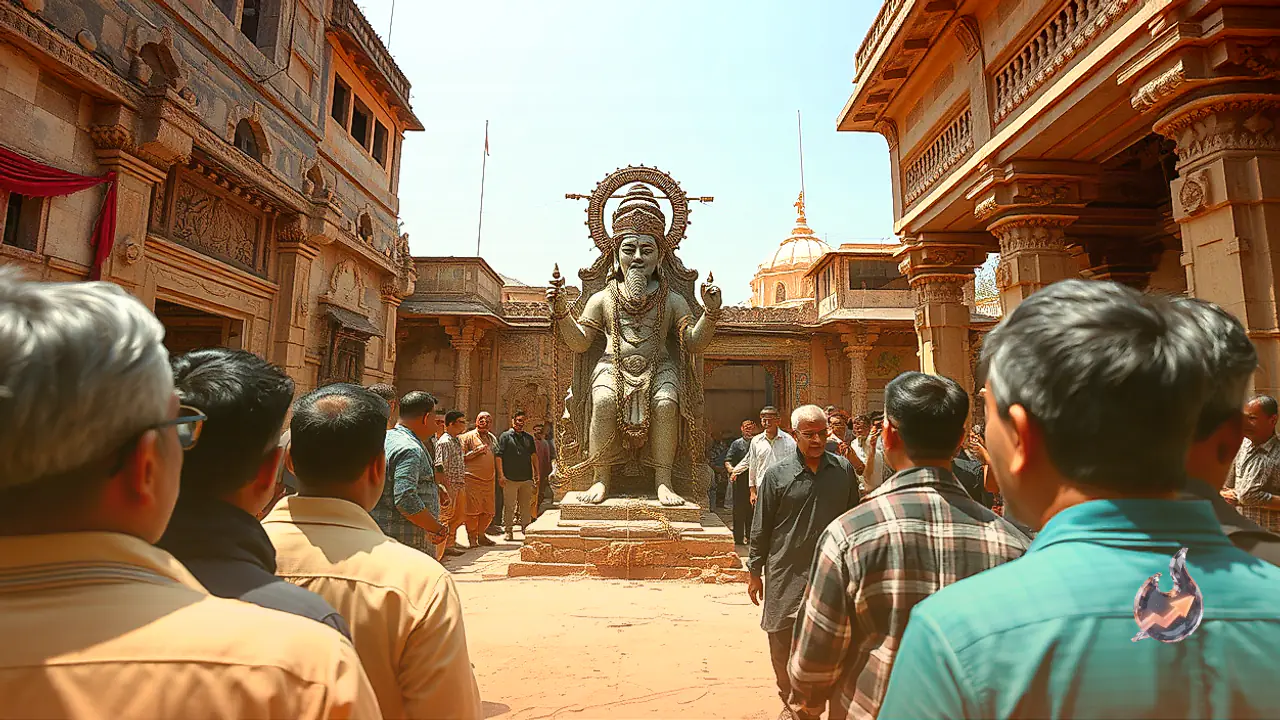
At the physical and spiritual center of Rawan village stands an ancient sanctuary dating back to the historical Parmar dynasty. Inside this heritage temple lies an approximately 12-foot-long stone idol of Ravan Baba, depicted in a distinctive reclining posture. Morning and evening, the temple atmosphere resonates with traditional aartis and meticulously conducted rituals performed according to sacred scriptures. Life in the village is deeply intertwined with the blessings of this idol. No major celebration or life milestone commences without paying homage here first. Whenever a household arranges a wedding, performs an auspicious ritual, or purchases a new vehicle, the journey invariably starts at the feet of Ravan Baba. During wedding preparations, the very first invitation card printed by the family is formally placed before Ravan Baba, followed by the ceremonial application of sanctified oil to the idol's navel, an indispensable prerequisite before any marriage rituals can unfold.
Lineage Claims, Youth Culture, and Festive Devotion
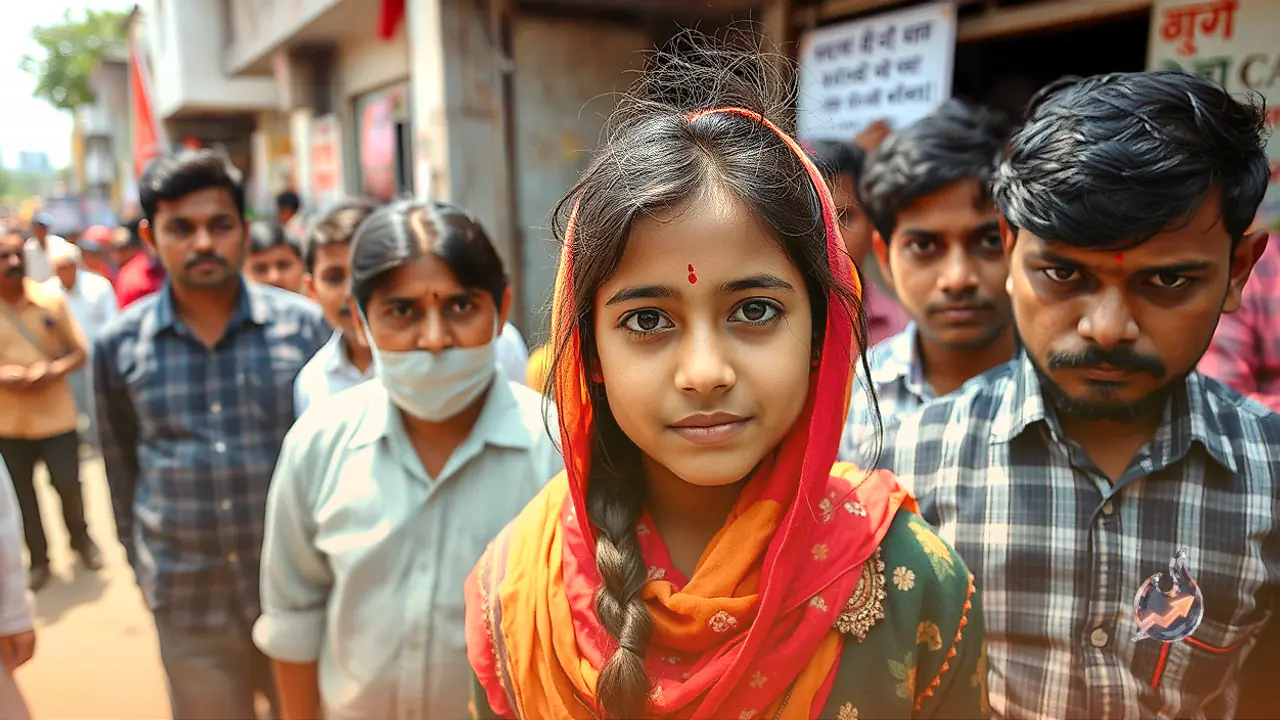
The faith in Ravan Baba is absolute among the villagers, who firmly believe that no worldly endeavor can reach completion without his divine grace. Local Brahmin families traditionally identify themselves as genealogical descendants of Ravana, preserving this affiliation across generations. This cultural reverence remains equally vibrant among the younger generation. Young men in the village frequently emblazon their motorbikes, tractors, and automobiles with bold lettering proclaiming Jai Lankesh. Many individuals have also etched permanent tattoos across their forearms and chests portraying Lord Lankesh. When Dussehra arrives, rather than turning into an occasion of effigy burning, the village transforms into a pilgrimage destination. The temple precinct hosts non-stop Ramayana recitations, devotional singing sessions, and a massive community kitchen known as a mahabhandara, which attracts hundreds of devotees arriving from Vidisha, the state capital of Bhopal, and adjoining rural settlements to receive sacred offerings and seek blessings.
Perspectives from Temple Priest and Civic Leaders
Pandit Naresh Tiwari, the head priest presiding over the Ravan Baba temple, explained that the deity has been established in this location since ancient times, extending a protective umbrella over all community members. He described Ravan Baba as their foremost village guardian whose benevolent intervention allows all domestic ceremonies to conclude peacefully without obstacles. Whether someone is sanctifying a newly acquired vehicle, starting marriage rites, or carrying out traditional havans, the rites originate at this temple. According to the priest, visitors who present heartfelt wishes before the resting deity witness their vows fulfilled, prompting extensive crowds to visit the temple on Dussehra for the grand aarti and feast.
Rajesh Dhakad, the representative of the sarpanch for both Rawan and Bamori villages, highlighted that the settlement derives its singular historical identity entirely from this antique idol. He pointed out regional lore stating that in ancient eras, Ravana arrived in this very territory, crushed the overbearing arrogance of a formidable demon, and subsequently entered an eternal resting posture on this soil. Dhakad noted that local youths proudly write Jai Lankesh across their transport and get dedicated tattoos on their bodies. Furthermore, on Dussehra, every resident originally hailing from the village makes it a non-negotiable priority to return home from distant cities and jobs to participate fully in the rituals and community dining.
Unbroken Devotional Ties Across Generations
Govind Narayan Tiwari, a long-time resident of Rawan village, articulated the village philosophy, noting that the community reveres Ravana Maharaj as their primary deity and family protector. He affirmed that no individual from the hamlet visits nearby towns to observe the traditional effigy burning, nor does anyone permit such ceremonies inside their territory. Every family milestone begins with prayers to Ravan Baba. In marital ceremonies, the inaugural offering of turmeric and auspicious oil is dedicated directly to Baba before anyone else. As the day of Dussehra dawns, every household visits the temple in devotional unity, engaging in choral hymns, listening to Ramayana passages, and sharing the consecrated food in an enduring celebration of rural heritage.