






















Preparations for the massive Simhastha congregation scheduled for 2028 in the holy city of Ujjain have gained significant momentum with a major infrastructure breakthrough. To ensure seamless interstate travel and handle the anticipated influx of millions of devotees, the Central Government has granted final tender approval for a sprawling 160-kilometre mega four-lane highway project. This crucial arterial road will directly connect Ujjain in Madhya Pradesh with Jhalawar in neighbouring Rajasthan. Once fully operational, the highway will not only transform local commutes but also establish a robust, high-speed link between the Malwa-Hadoti region and the highly anticipated Delhi-Mumbai economic corridor.
Financial Outlay and Strict Completion Deadlines
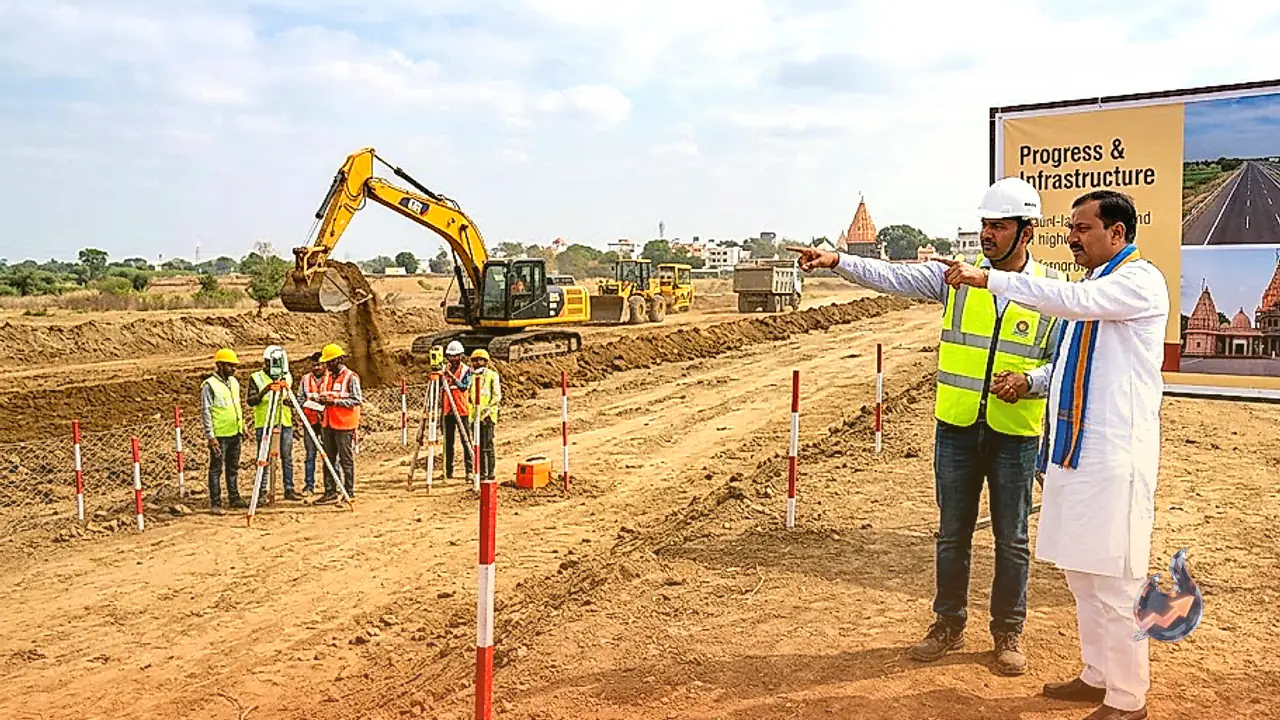
The comprehensive development of the Ujjain-Jhalawar mega four-lane highway comes with an estimated massive financial layout of Rs 2,721.72 crore. Member of Parliament Anil Firojiya confirmed that the central tendering process has been successfully concluded, paving the way for immediate action on the ground. Work orders are expected to be issued to the selected construction agencies very soon, after which heavy machinery will be deployed. Recognizing the hard deadline of Simhastha 2028, authorities have stipulated a strict two-year timeframe for the completion of the physical construction. Furthermore, the contract clearly mandates that the designated agencies will remain responsible for the comprehensive maintenance of the entire road network for a period of five years following its completion.
Strategic Two-Phase Implementation Strategy
To ensure efficient execution without major delays, the National Highways Authority of India (NHAI) has strategically divided this massive infrastructure undertaking into two distinct working phases. The primary phase involves the construction of an 86.5-kilometre four-lane stretch initiating from Khilchipura village and extending all the way up to Aakli-Kadiya. This initial segment alone is projected to absorb approximately Rs 1462 crore of the total sanctioned budget. Following this, the second phase will focus entirely on the widening and development of the remaining 72.76-kilometre stretch, connecting Aakli-Kadiya directly to the NH-52 junction located in Jhalawar, Rajasthan. The capital expenditure required for this secondary segment is estimated at roughly Rs 1259 crore.
Engineering Marvels and Infrastructure Upgrades
Breaking down the geographical footprint of the project, approximately 133 kilometres of the newly upgraded roadway will fall within the jurisdiction of Madhya Pradesh, while the remaining 27 kilometres will traverse through Rajasthan. The overall project scope is not limited to new construction alone; an existing 27-kilometre four-lane segment running from the Ujjain municipal limits up to Ghonsla will undergo a complete infrastructural overhaul. This specific stretch will be modernized and upgraded to meet the latest NHAI engineering and safety standards. The blueprint for the entire corridor is heavily focused on uninterrupted transit, featuring the construction of exactly six state-of-the-art flyovers, numerous large-scale river bridges, and precisely 115 vehicle underpasses. A notable addition is a proposed new flyover situated right in front of the RD Gardi Medical College, designed specifically to alleviate local traffic congestion.
Transforming Road Safety and Regional Economics
At present, the existing route connecting these two vital regions suffers from numerous narrow bottlenecks, rendering it highly susceptible to severe road accidents. The implementation of this mega four-lane project, complete with modern vehicle underpasses and carefully engineered safe cut points, is expected to drastically reduce the accident rate and improve overall road safety for daily commuters. Beyond serving as a primary and secure gateway for millions of devotees arriving from Rajasthan and the Hadoti region during Simhastha 2028, the highway promises substantial long-term economic dividends. Enhanced transport logistics will directly benefit the agricultural, industrial, and religious tourism sectors. Key localities spanning Ujjain, Ghattiya, Agar, Susner, and Soyat are perfectly positioned to experience a significant surge in commercial activity and rapid developmental progress once this vital connectivity lifeline is fully operational.