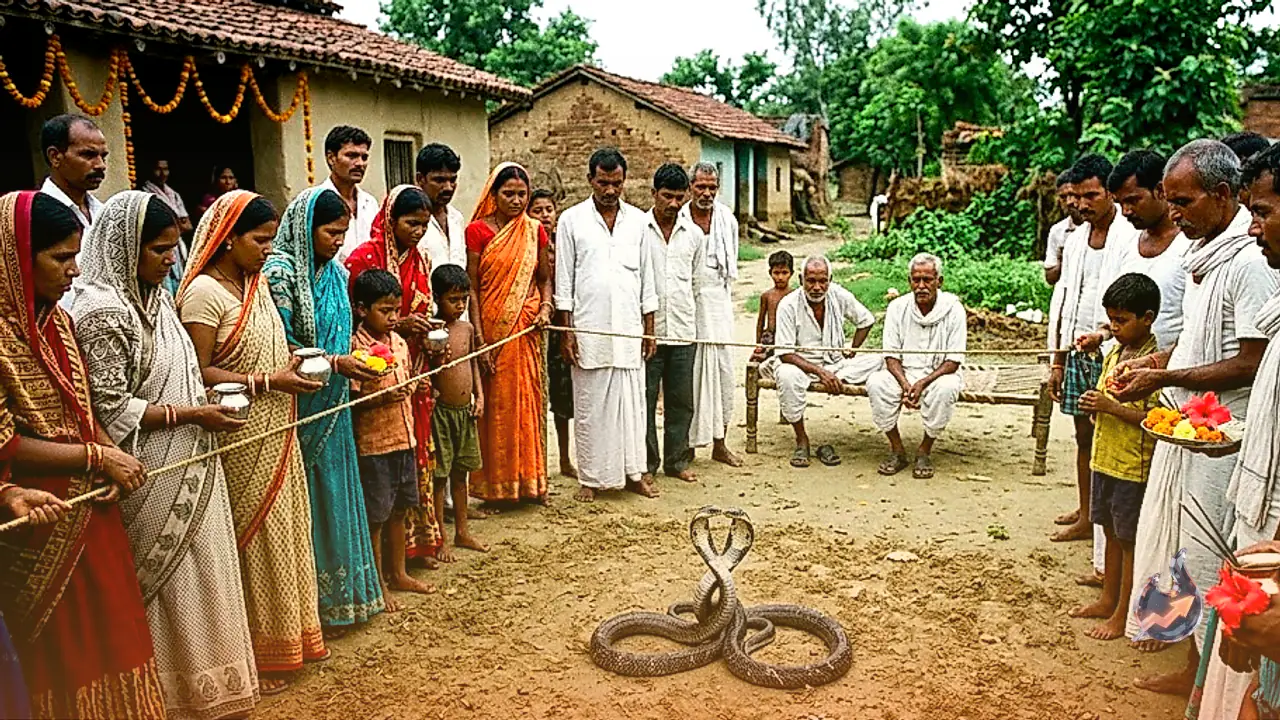



















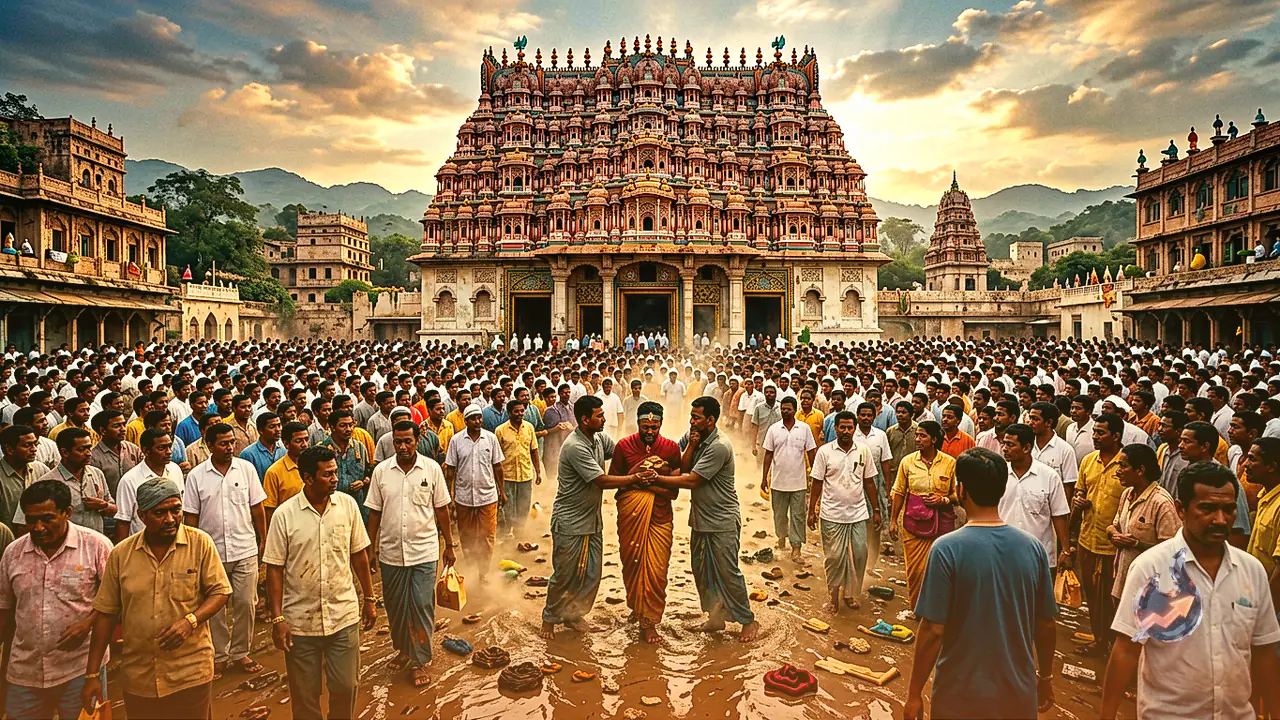

A sudden surge of devotees celebrating the festival of Nag Panchami at the revered Nagchandreshwar temple, located within the Mahakaleshwar temple complex in Ujjain, Madhya Pradesh, triggered chaos and panic. The massive influx of visitors created an uncontrolled situation around the Nagchandreshwar temple, Harsiddhi temple, and Bade Ganesh temple area. As the crowd swelled rapidly, severe pushing and shoving broke out along the pathway, resulting in a stampede-like situation where three people were crushed and sustained serious injuries.
Swift Administration Response and Hospitalization
Immediately after the incident, local administrative authorities and police personnel rushed to the spot to bring the chaotic situation under control. All three injured individuals were promptly administered first aid at the scene and subsequently shifted to a nearby district hospital for advanced medical treatment, where their recovery is currently underway. In the wake of this harrowing incident, festival security and crowd management protocols are now under intense scrutiny, prompting authorities to exercise heightened caution.
An Exalted Shrine That Opens Only Once a Year
Situated on the third floor of the famous Mahakaleshwar Jyotirlinga temple complex in Ujjain, the sacred abode of Lord Nagchandreshwar holds immense spiritual significance. The most distinctive feature of this temple is that its doors remain tightly shut throughout the year and open for precisely 24 hours solely on the occasion of Nag Panchami. Pilgrims cannot access the sanctum sanctorum on any other day of the year, which naturally drives an astronomical number of devotees to converge on this single day.
The Mystery of the 11th-Century Rare Idol
Enshrined inside the temple sanctum is an exquisite 11th-century idol that represents a breathtaking confluence of ancient art, architecture, and unwavering faith. The sculpture depicts Lord Mahadeva and Goddess Parvati seated beneath the majestic canopy of a massive serpent featuring ten to eleven hoods. Alongside them, the elephant-headed deity Lord Ganesha is also visible in this captivating form. It is widely believed that such a unique manifestation of Lord Shiva cannot be found anywhere else across the globe.
Historical Background and Mythological Significance
According to historical evidence, this peerless idol was established around 1050 CE during the glorious reign of King Bhoj of the Parmar dynasty. Furthermore, ancient mythological traditions dictate that Takshaka, the king of serpents, performed rigorous penance for Lord Bholenath at this very sacred site. This deep-rooted history enhances the profound spiritual gravity of the temple.
The Massive Influx of Devotees on Nag Panchami
Because the shrine grants darshan on just one day each year, millions of devotees from across India and around the world travel to Ujjain on Nag Panchami. Popular religious belief holds that merely catching a glimpse of Nagchandreshwar Dev on this auspicious occasion completely eradicates afflictions such as Kaal Sarp Dosh, serpent curses, and other malefic planetary influences from a devotee's astrological chart.