















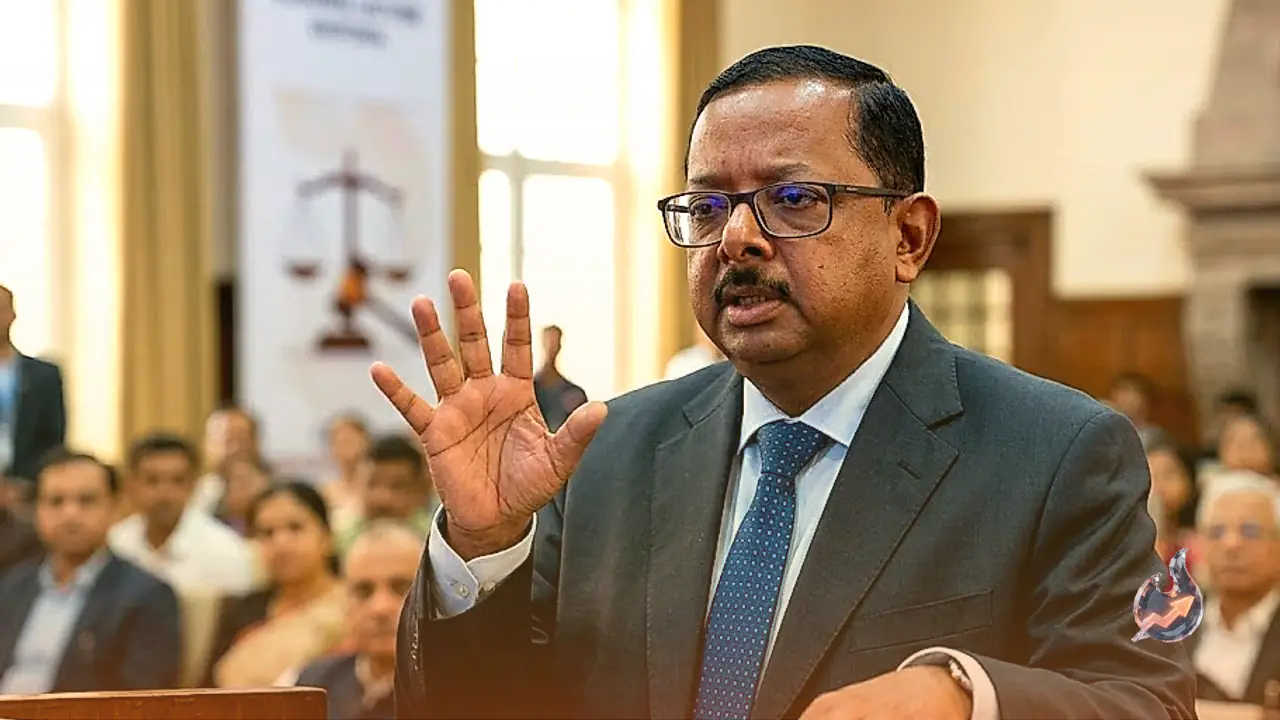

Supreme Court Senior Justice Ujjal Bhuyan has expressed deep concern over the suppression of dissenting voices and the shrinking space for democratic rights in the country. Speaking at Bhopal's National Law Institute University during the Justice GP Singh Memorial Lecture, he emphasized that expressing views and staging peaceful protests are fundamental constitutional rights of citizens. Justice Bhuyan asserted that the essence of a vibrant democracy lies in debate and disagreement. He cautioned that if courts begin imposing bail conditions that stifle the voices of the public, the common citizen's trust in the judicial system will be severely compromised.
Questions Over Varanasi Biryani Incident and Arrest of Students
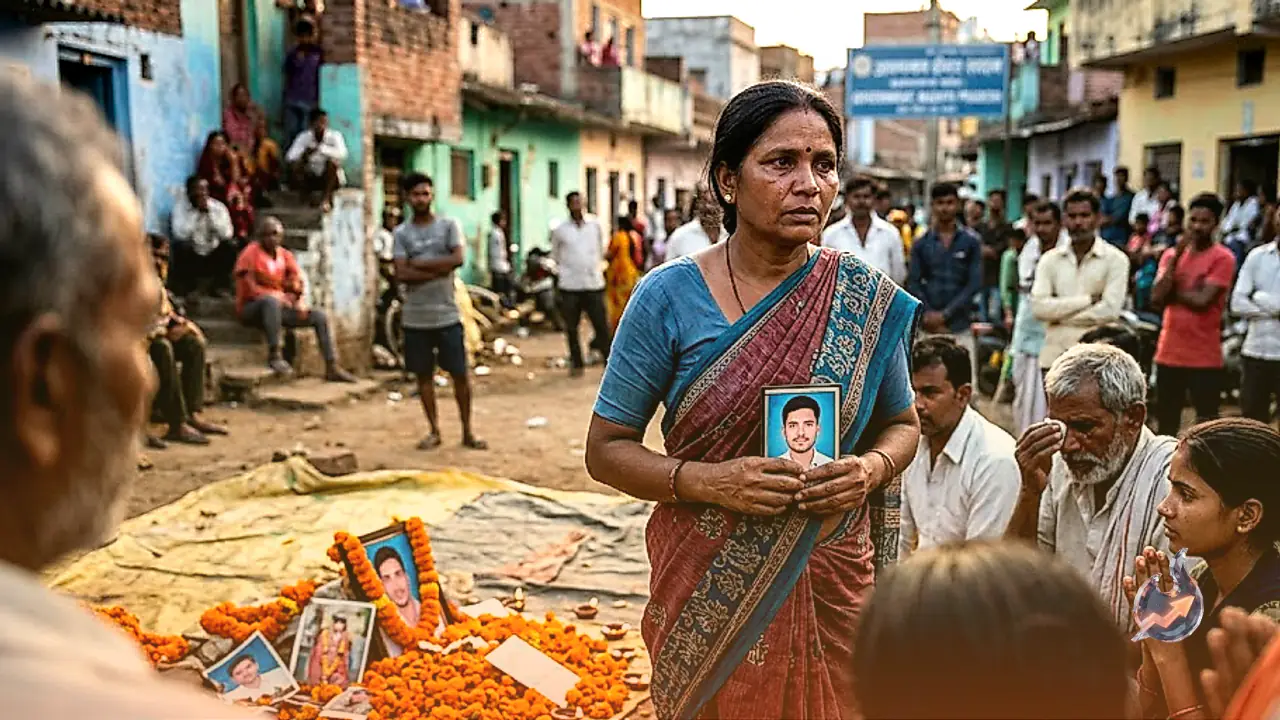
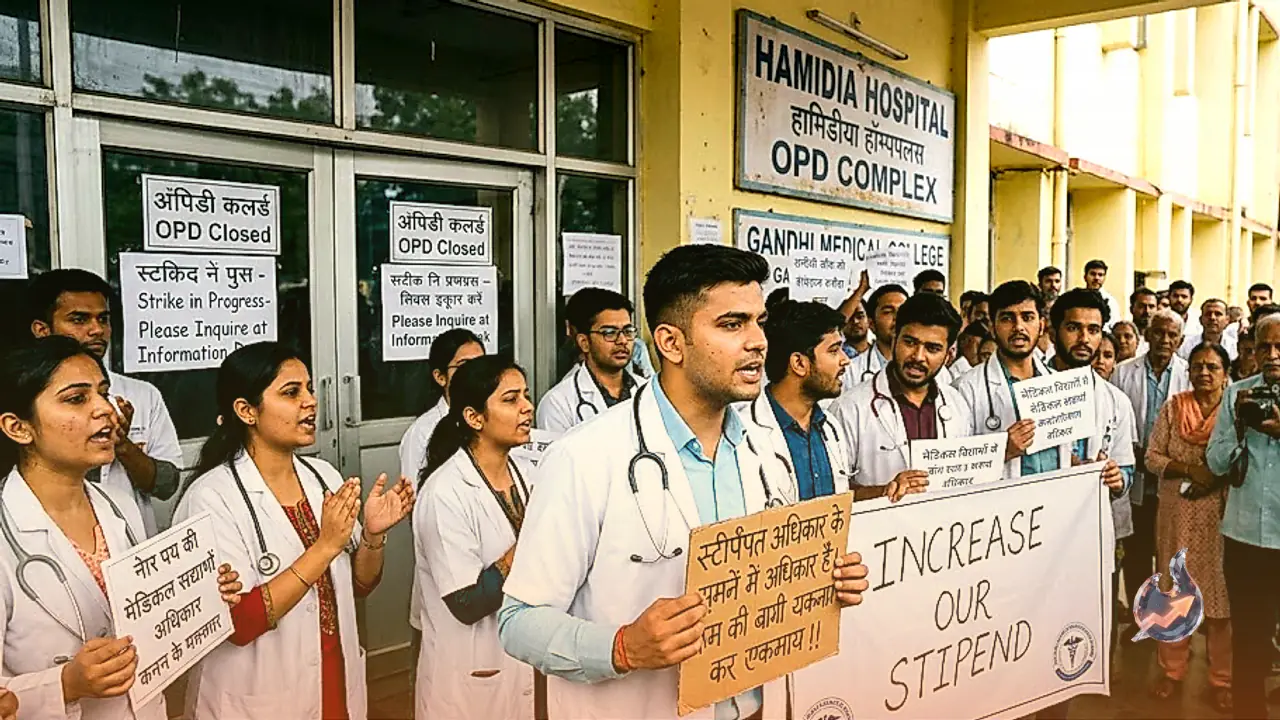
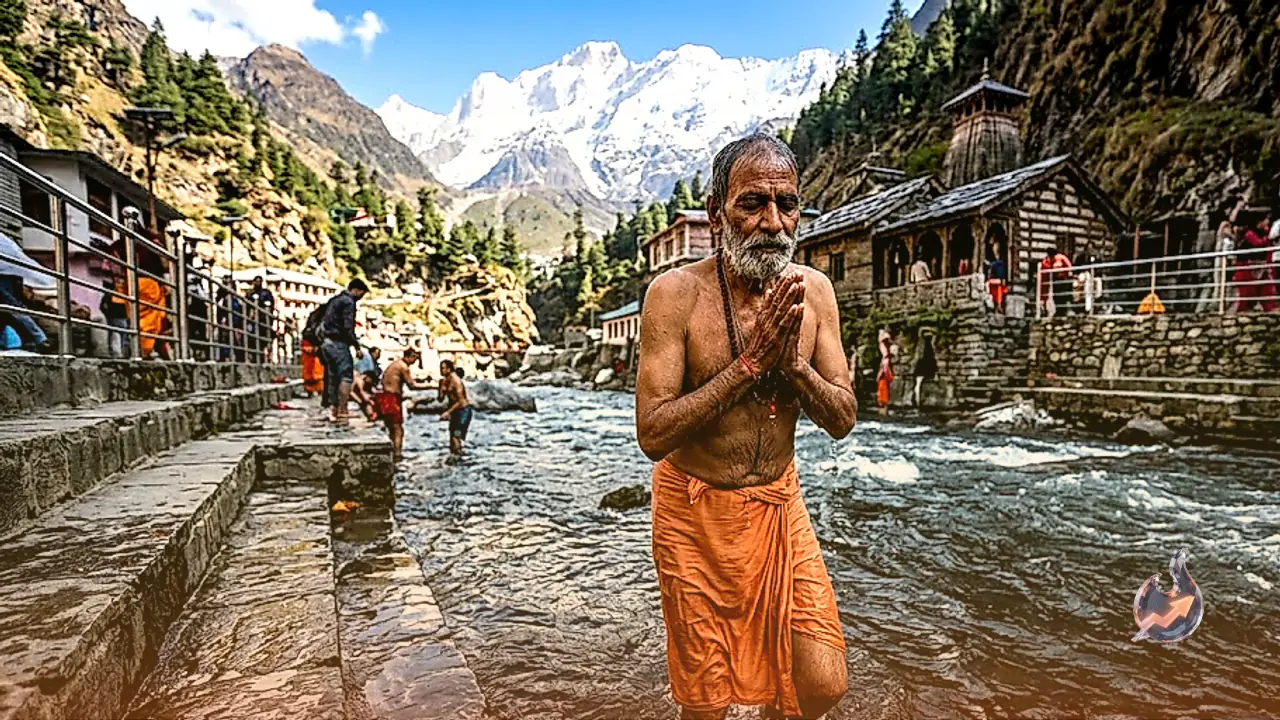
During his address, Justice Ujjal Bhuyan highlighted the Varanasi Ganga boat Iftar case, where several young individuals were arrested and incarcerated for three months for eating chicken biryani on a boat. He raised a poignant question, asking whether consuming biryani on the Ganga is defined as an offense under any existing law. In the absence of such legislation, he questioned why these individuals were denied bail for three long months. Furthermore, he noted that those advocating for environmental protection are being treated like hardened criminals. He also criticized the arrest and suspension of university students who participate in peaceful demonstrations to demand their rights, warning that the freedom of peaceful protest is rapidly diminishing across the nation.
Criticism of Arbitrary Bail Conditions and Restrictions on Expression
Justice Bhuyan also raised objections to the unusual bail conditions being imposed by courts in various cases. Pointing to instances related to Facebook posts and the Delhi riots case, he noted that courts are increasingly setting conditions that bear no direct relevance to the charges at hand. He asked whether such judicial conditions send a discouraging message to citizens, effectively warning them to stay away from public life and restrict their freedom of expression. Additionally, he expressed surprise at the denial of permission for protests in Mumbai supporting Gaza and Palestine, as well as the subsequent observations made by the Bombay High Court on the matter. He clarified that demonstrating empathy or protesting peacefully over global issues is an integral part of civic rights.
The Supremacy of the Constitution and the Role of Universities
Interacting with students and attendees, the senior Supreme Court judge remarked that universities are not merely factories designed to hand out degrees. Instead, they are sacred spaces meant to foster independent thinking and the courage to ask questions. Highlighting the distinction between political power and constitutional permanence, he stated that while governments will inevitably change, the Constitution remains permanent. Therefore, the government, the Parliament, and the judiciary are collectively obligated to safeguard the foundational spirit of the Constitution.
Justice Vishal Dhagat Emphasizes Judicial Duty
The event was presided over by Madhya Pradesh High Court Judge Justice Vishal Dhagat. In his address, Justice Dhagat reiterated that the primary responsibility of the judiciary is to protect the Constitution and defend individual liberty. He emphasized that judges must deliver their verdicts impartially, guided solely by the established laws and constitutional principles, rather than being swayed by public sentiment or external pressures.