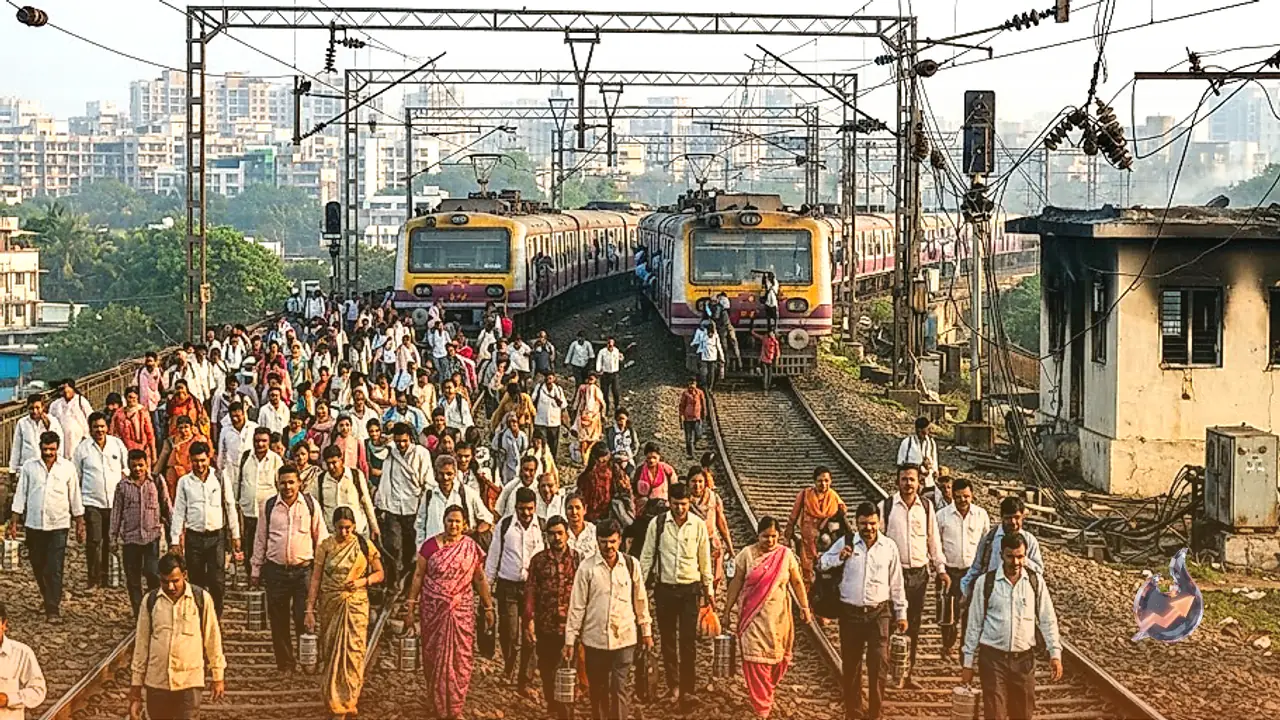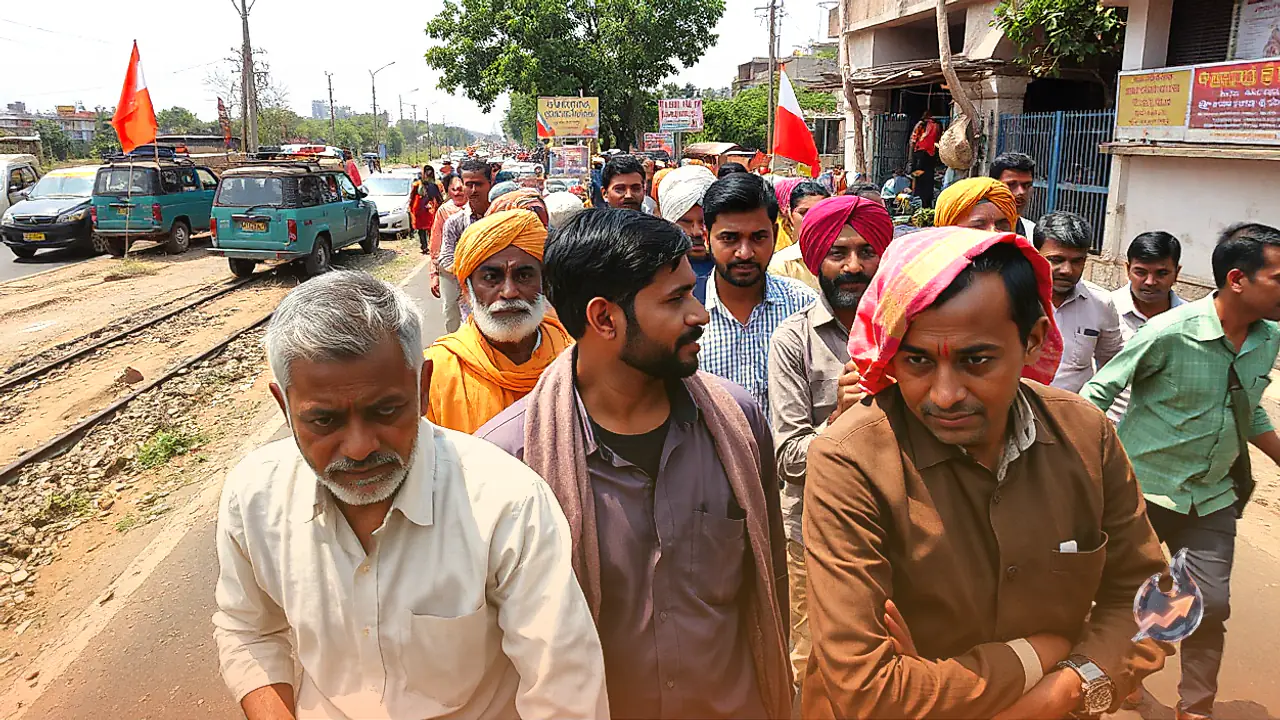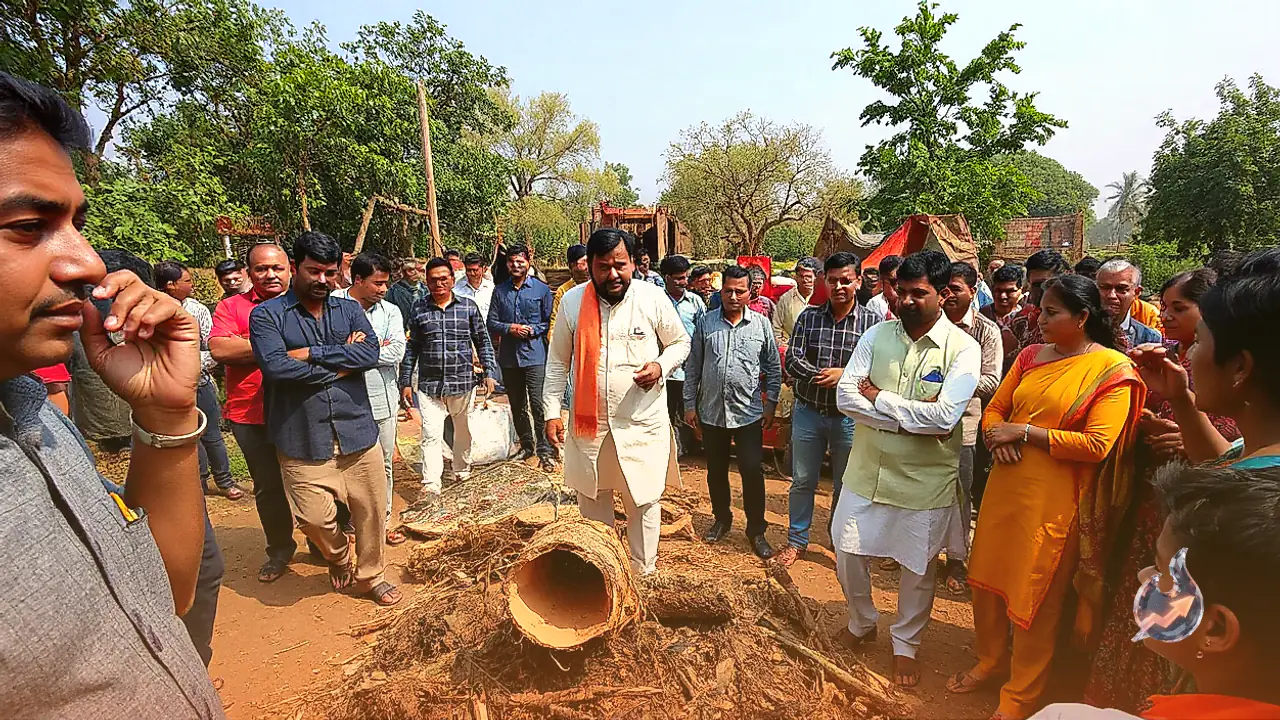



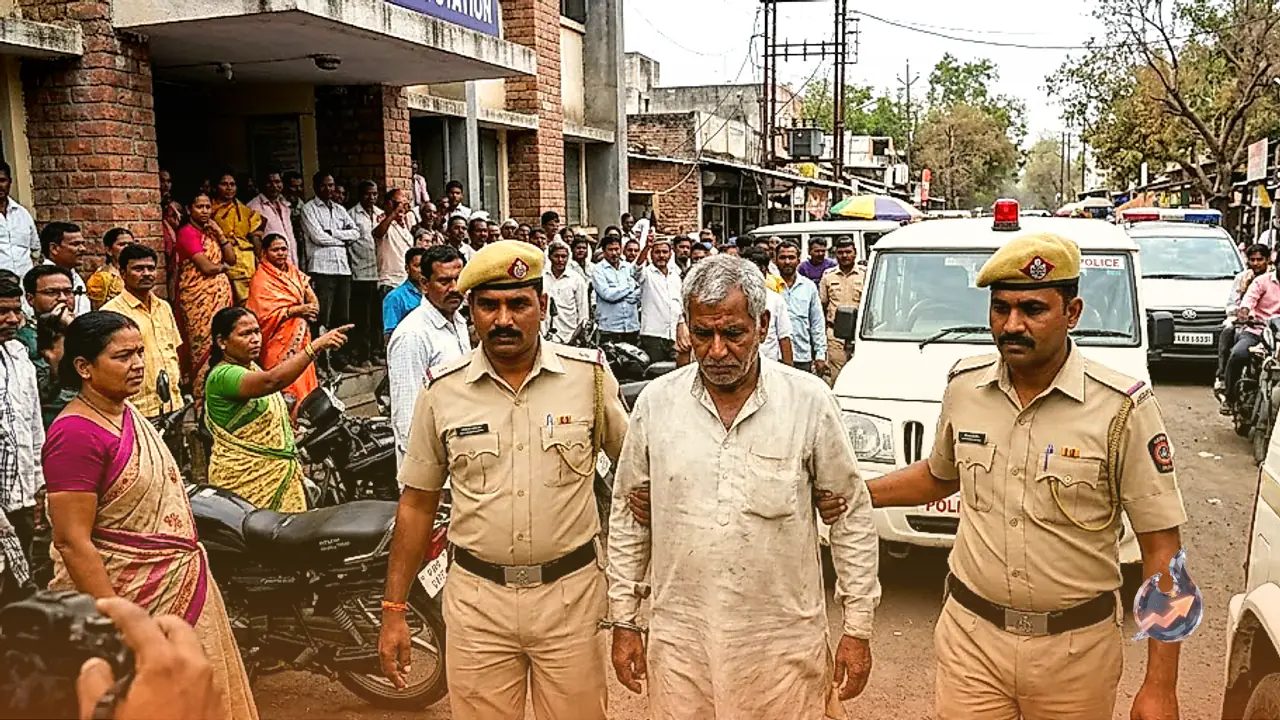















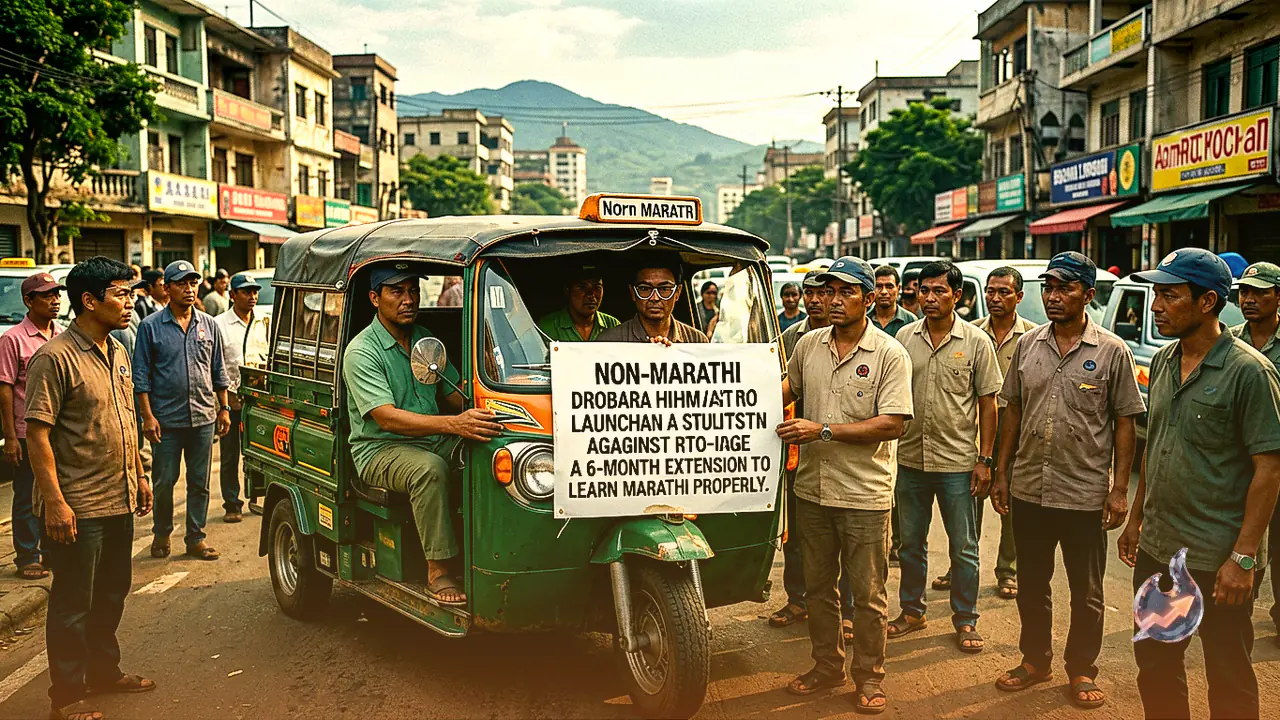

Commercial auto-rickshaw and taxi drivers across Mumbai have initiated protests against the Regional Transport Office (RTO) over strict language compliance enforcement. In Kurla, hundreds of drivers stopped operating their vehicles and lined them up along streets in a localized strike. The protesting drivers allege that the strict administrative campaign is fueled by political motives rather than regulatory necessity, while demanding a fair grace period to acquire language proficiency.
Notice Procedure and Driver Badge Cancellation Protocol
Under the state drive targeting commercial transport operators in Maharashtra, drivers who cannot speak or comprehend Marathi are being handed an initial one-month notice by transport authorities. This period is intended for drivers to basic Marathi skills. However, if a driver fails to demonstrate language capability after the first month, the RTO initiates the badge cancellation procedure by issuing a final three-month notice. This multi-stage enforcement framework has created severe distress among non-native drivers who rely on commercial driving for their livelihood.
Streetside Protests and Service Disruptions in Kurla
Widespread resentment over the RTO crackdown resulted in work stoppages across key transit hubs. The disruption was particularly visible in Kurla, where long queues of parked auto-rickshaws occupied roadsides as operators refused to pick up passengers. The sudden strike inconvenienced daily commuters while highlighting the growing standoff between driver unions and transport regulators.
Demand for a 6-Month Grace Period and Everyday Difficulties
Protesting drivers clarified that they have no objection to learning the state language and are actively making efforts to pick up conversational phrases. However, they stressed that a one-month deadline is practically impossible for full-time drivers managing long work hours. Drivers have appealed to the state government to grant at least a six-month window, which would allow them sufficient time to properly learn and speak Marathi without losing their earnings.
Drivers also shared practical challenges they face on duty, noting that passengers frequently mock their accents when they attempt to speak Marathi. Additionally, frequent stops during administrative checks lead to lost operational hours, while strict fines impose heavy financial strain on low-income operators.
Questions Raised Over Selective Targeting and Politics
The transport workers questioned why hard-working drivers are being singled out after operating in the city for decades. Many drivers pointed out that they have been providing taxi and rickshaw services in Mumbai for long periods without issue, asking why sudden strict measures are being enforced against daily wage earners. Maintaining that political interests lie behind the crackdown, drivers reiterated their demand for an extension in the language learning timeline.