


















Auto and taxi fares hike in Mumbai alongside surge in CNG pricesMaharashtra
1 Sept 2026, 8:19 am (47 min ago)· 2

Auto and taxi fares hike in Mumbai alongside surge in CNG prices

Commuting in Mumbai has become costlier as auto-rickshaws and taxis implement higher fare structures, while Mahanagar Gas Limited has also raised CNG and PNG prices.

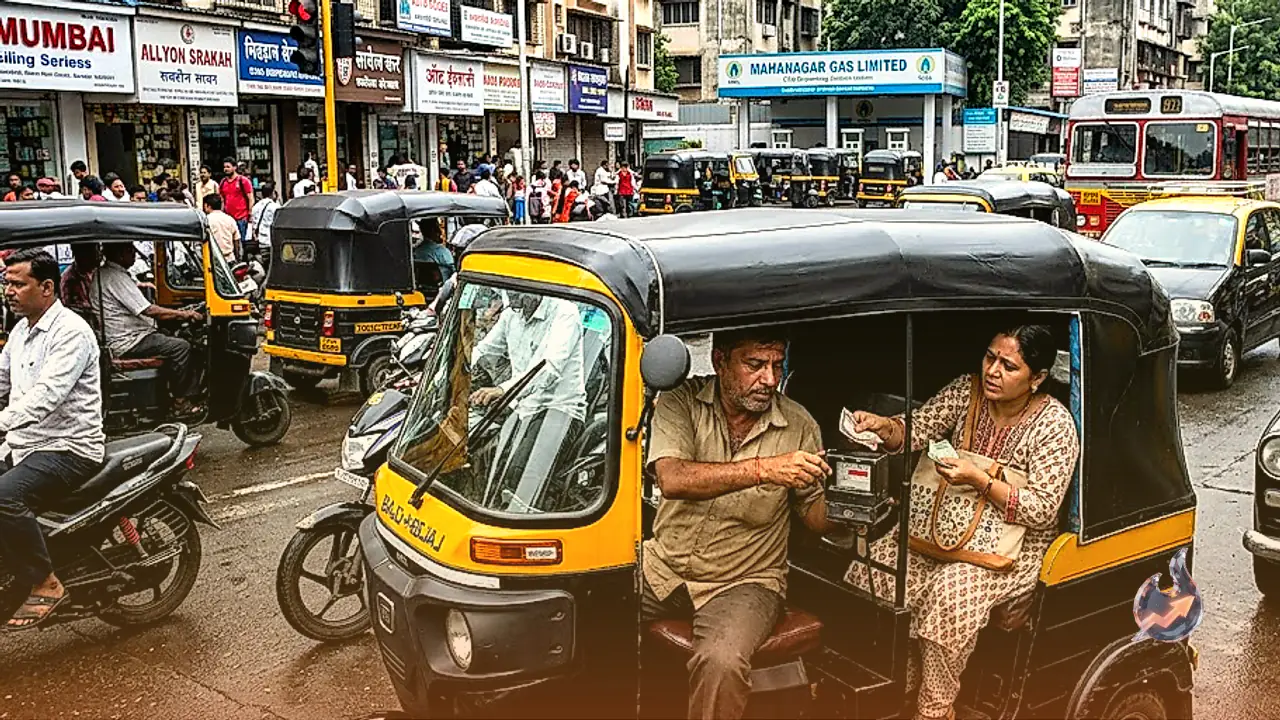
Commuting across the Mumbai Metropolitan Region has become significantly costlier for daily passengers. The Mumbai Metropolitan Region Transport Authority has officially approved a fare hike for both auto-rickshaws and black-and-yellow taxis. The revised fare structure has come into effect starting today, September 1, placing an additional financial burden on regular commuters who rely on public transport services.

Revised Fare Structure Details

According to official figures, the minimum fare for an auto-rickshaw has been raised from 26 rupees to 27 rupees. Meanwhile, the minimum fare for a black-and-yellow taxi has gone up from 31 rupees to 33 rupees, which covers the initial distance of 1.5 kilometers. A Regional Transport Office official stated that the distance-based rate for auto-rickshaws has increased from 17.14 rupees per kilometer to 18.22 rupees per kilometer. Similarly, the rate for black-and-yellow taxis has been hiked from 20.66 rupees per kilometer to 21.90 rupees per kilometer.

Also read

Meter Calibration and Compliance

The newly approved rates apply throughout the entire Mumbai Metropolitan Region. Auto-rickshaw and taxi drivers are required to calibrate their electronic fare meters according to the revised tariffs before they can legally collect the higher fares from passengers. For vehicles where meters have not yet been updated, drivers must display an RTO-approved fare chart inside the vehicle to charge passengers under the new rates. The approval by MMRTA means passengers must pay increased rates for their daily journeys, impacting household budgets for those dependent on these transit options.

CNG and PNG Price Hikes

Alongside transport fare revisions, Mahanagar Gas Limited has raised fuel prices in Mumbai starting September 1. CNG prices have gone up by 2 rupees per kilogram, reaching 88 rupees per kilogram, while domestic PNG prices have increased by 1 rupee per SCM. The company attributed these hikes to rising gas acquisition costs driven by the Middle East crisis and an increased reliance on expensive imported spot RLNG to meet rising consumer demand. Previously, on May 30, Mahanagar Gas Limited had similarly hiked CNG prices by 2 rupees per kilogram, taking the rate to 86 rupees per kilogram at the time.


Questions & Answers

What is the new minimum fare for auto-rickshaws in Mumbai?
The minimum fare for auto-rickshaws has increased from 26 rupees to 27 rupees.
How much is the minimum fare for black-and-yellow taxis now?
The minimum fare for black-and-yellow taxis has been raised from 31 rupees to 33 rupees.
When did the revised fare rates come into effect?
The revised fare rates came into effect starting today, September 1.
What is the new price of CNG in Mumbai?
Following a 2 rupees increase by Mahanagar Gas Limited, the price of CNG has reached 88 rupees per kilogram.
What reason was given for the gas price hike?
The company cited rising gas costs due to the Middle East crisis and increased reliance on expensive imported spot RLNG.

Comments 2

Karan Malhotra@karan-malhotra·30m ago

The simultaneous hike in Mumbai auto-taxi fares and CNG prices directly strains the common man's budget. With fuel costs rising due to geopolitical tensions and the transport authority mandating meter calibration, commuter-driver disputes over fares are likely to escalate, requiring strict vigilance from transit administrators and law enforcement.

Rohan Verma@rohan-verma·30m ago

Expanding on Karan Malhotra's analysis, it is crucial to note that simultaneous surges in fuel and transport costs exert pressure across the entire urban economy, beyond just daily household budgets. With CNG reaching 88 rupees per kilogram and the mandatory meter calibration process, friction between drivers and commuters is practically inevitable. If the transport authorities fail to implement clear guidelines and transparent oversight in a timely manner, this underlying resentment could easily escalate into a law and order challenge, requiring strict vigilance from the local administration.

Citizen journalism

Become a TrendKia journalist

Voice of the people

Share news, photos and videos from your area with TrendKia and let your voice reach the nation. Every citizen a journalist.

Join now
CH 01 LIVE
TrendKia TV ON AIR